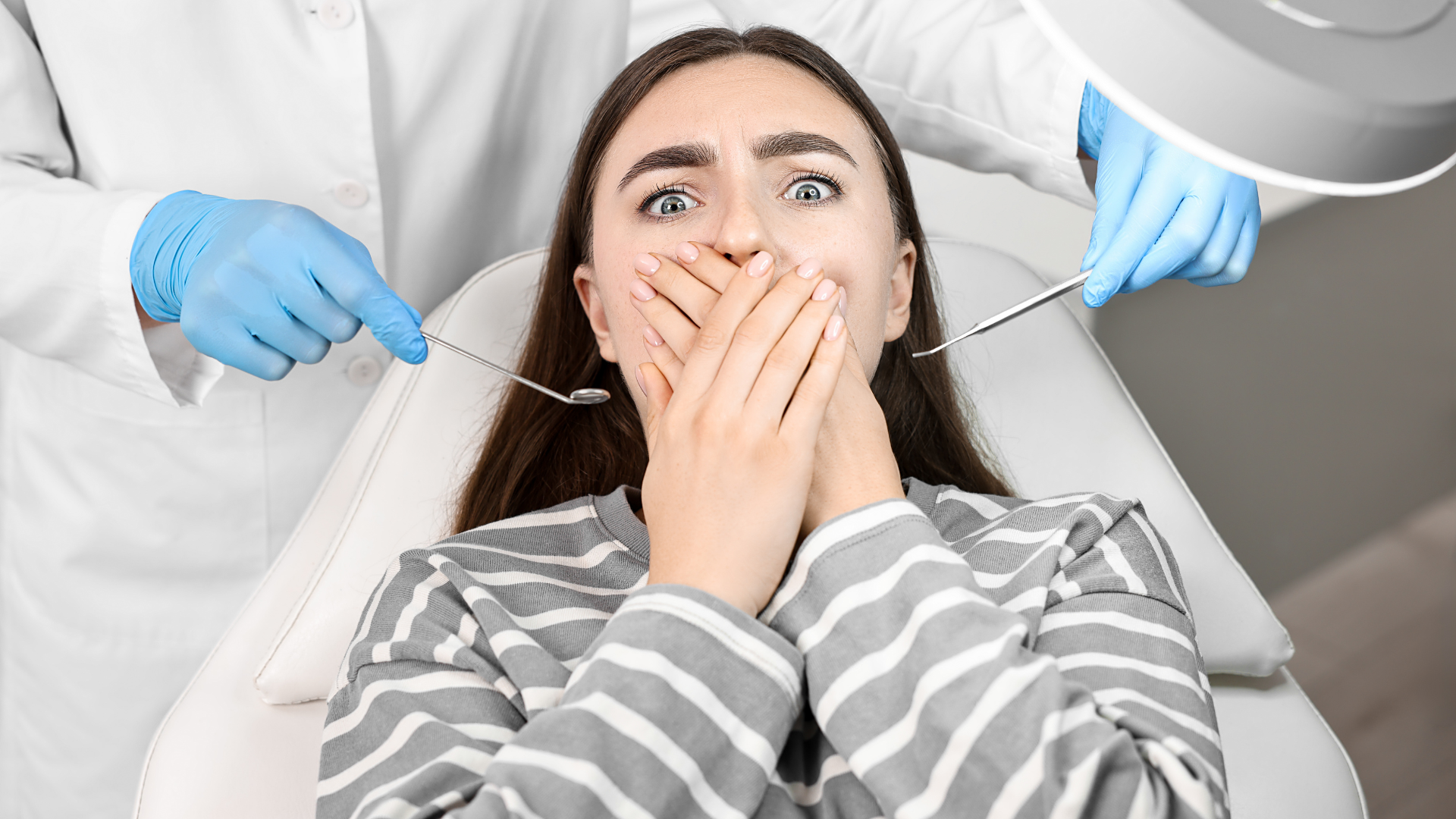
Why One in Three Greeks Fear the Dentist: New Study Maps Dental Anxiety Across the Country
A Closer Look at a Silent Public Health Issue
For many people, a dental appointment is little more than a routine check-up. But for others, even the thought of entering a dental clinic can trigger intense anxiety. A new study conducted in Greece reveals just how widespread this fear is—and why it deserves more attention from healthcare providers.
Dental anxiety, defined as feelings of fear, stress, or nervousness related to dental visits or procedures, can significantly affect a person’s willingness to seek care. It’s a global issue, but research specific to Greece has been surprisingly limited—until now.
A team from King’s College London and Oxford Brookes University set out to fill this knowledge gap by collecting new, population-representative data on dental anxiety levels among adults attending routine dental appointments in Athens and Piraeus.
What the Researchers Wanted to Know
The researchers aimed to answer a central question:
How common is dental anxiety among Greek adults visiting the dentist—and which groups are most affected?
To get an accurate snapshot, they recruited patients attending their scheduled routine appointments across six dental settings. Instead of focusing on individuals actively avoiding dental care, this study targeted real-world patients already walking through the clinic door—making the findings particularly relevant for everyday dental practice.
How the Study Was Conducted
A Large, Representative Sample
A total of 1,313 adults participated—an exceptionally high response rate of 99.2%, indicating strong engagement from the community.
While waiting for their appointment, patients filled out demographic questions and completed the Modified Dental Anxiety Scale (MDAS), a commonly used international tool for measuring dental fear. The MDAS categorizes anxiety into:
Low anxiety
Moderate anxiety (scores 12–18)
High/extreme anxiety (scores ≥19)
The study also examined whether anxiety levels varied by:
Age
Gender
First-time vs. repeat dental visit
Type of dental procedure (check-up, cleaning, restoration, extraction, pain relief)
Key Findings: Anxiety Is More Common Than You Think
1. One in Three Patients Experience Dental Anxiety
The study found that 32.6% of participants had some level of dental anxiety.
24.4% showed moderate anxiety
8.2% showed high anxiety
The average MDAS score was 10.36, similar to previous findings in the U.S.
2. Women and First-Time Visitors Show Higher Anxiety
Consistent with global trends, the study reported that:
Women are significantly more anxious than men
First-time dental visitors show significantly higher anxiety compared to repeat patients
This supports the idea that unfamiliarity and lack of past dental experience may heighten fear.
3. Age and Dental Procedure Type Don’t Make a Big Difference
Surprisingly:
Anxiety levels did not differ significantly across age groups
The type of procedure—whether a simple check-up or an extraction—did not significantly influence anxiety levels
This suggests that dental anxiety may be more influenced by personal traits, past experiences, or expectations rather than the procedure itself.
Why These Findings Matter
Dental anxiety is more than just an emotional hurdle—it has real health consequences. People with higher anxiety are more likely to cancel appointments, delay treatment, or avoid the dentist altogether, which can lead to worsening oral health.
For dentists, treating anxious patients can also be more demanding, prolonging appointments and complicating treatment.
Because one in three Greek patients entering the clinic already experiences anxiety, the study highlights the importance of:
Early screening for dental anxiety
Clear communication and patient-centered care
Tailored interventions for highly anxious or first-time patients
The authors emphasize that dental anxiety should be recognized as a public health concern, not merely a personal inconvenience.
Conclusion: A Call for More Awareness and Better Support
This study offers one of the most detailed looks at dental anxiety among Greek adults to date. The findings show that dental anxiety is widespread, influenced especially by gender and lack of prior dental experience.
For dental professionals, incorporating simple screening steps during intake could help identify anxious patients early—leading to more empathetic interactions and better health outcomes.
The researchers encourage broader, nationwide studies to continue mapping anxiety trends and to guide more effective interventions that can improve the dental experience for everyone.
Original Article
Kritsidima, M., Scambler, S., & Asimakopoulou, K. (2025). Exploring the Levels of Dental Anxiety in Greek Patients. International Dental Journal, 75, 100826.
DOI: https://doi.org/10.1016/j.identj.2025.04.006