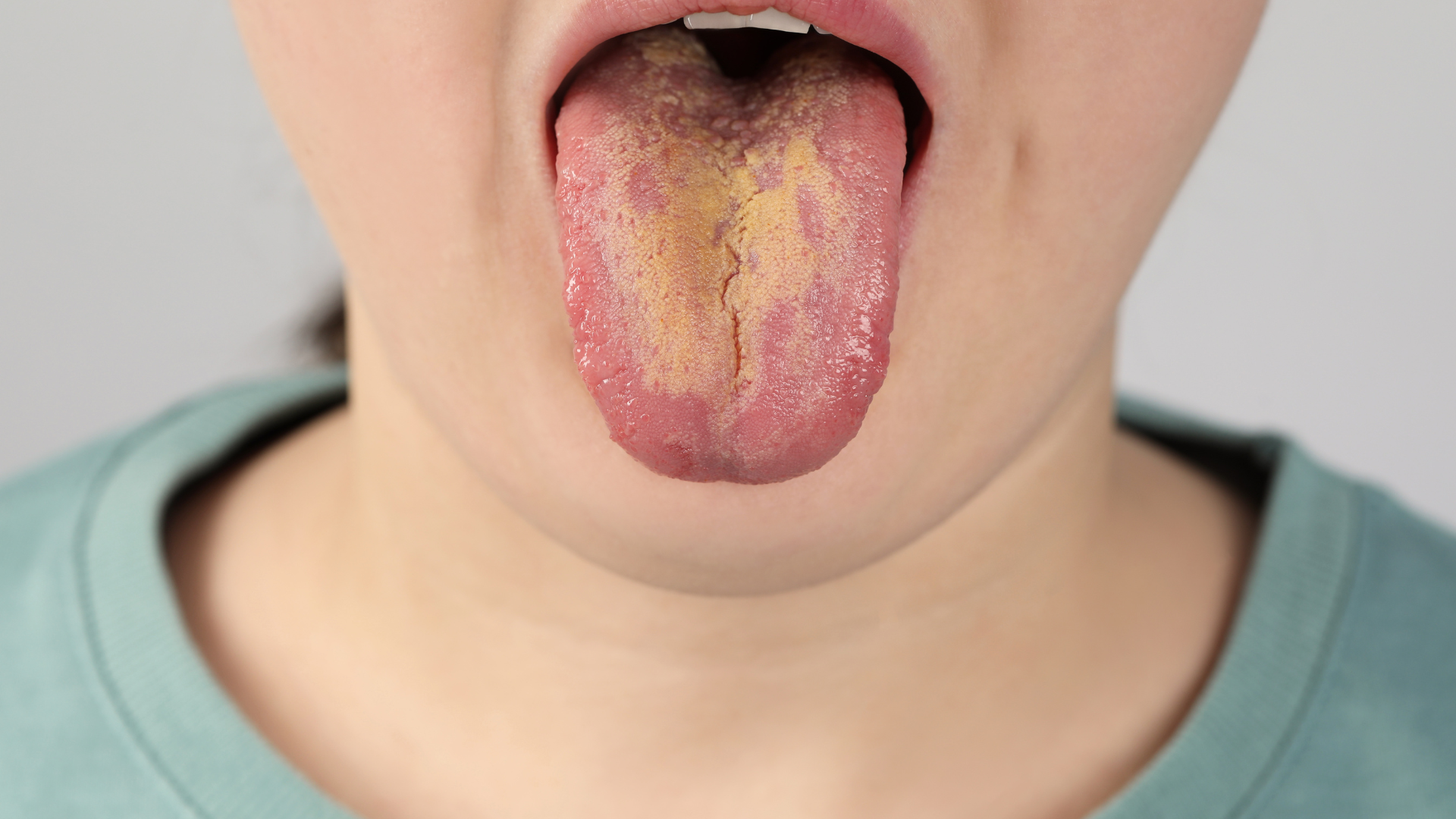
Who’s at Risk of Oral Candidiasis? New Study Charts the Warning Signs in Hospital Patients
A closer look at why hospitalized dermatology patients face higher fungal infection risks
Oral candidiasis—commonly known as oral thrush—is usually harmless and often goes unnoticed in healthy people. But for patients with weakened immune systems, this fungal infection can quickly become problematic. A new study published in Revista do Instituto de Medicina Tropical de São Paulo investigates which hospitalized patients are most vulnerable, offering clinicians clearer guidance on early detection and prevention.
1678-9946-rimtsp-67-S1678-99462…
Why Understanding Oral Candidiasis Matters
The fungus Candida, especially Candida albicans, naturally lives in the mouth of most people. Normally, the immune system keeps it in check. But when the balance is disrupted—through aging, immunosuppressive diseases, medical treatments, or oral prosthesis use—the fungus can overgrow and cause infections.
Oral candidiasis can start as a superficial lesion, but in medically fragile patients, it has the potential to spread and become systemic, making early identification especially crucial.
What the Researchers Investigated
The study examined 240 patients admitted to the dermatology clinic of a tertiary hospital in São Paulo, Brazil. The goal was to:
Measure the prevalence of oral candidiasis
Identify the Candida species involved
Determine risk factors associated with infection
Each patient underwent clinical oral examination, direct mycological testing, and fungal culture. For species-level identification, researchers used CHROMagar, biochemical tests, and MALDI-TOF mass spectrometry, a rapid and highly precise diagnostic tool.
Key Findings
1. High Prevalence of Oral Candidiasis
32.1% of hospitalized dermatology patients were diagnosed with oral candidiasis—consistent with other high-risk clinical populations.
2. Age, Dental Needs, and Immunosuppression Are Major Risks
Multivariate analysis showed three dominant predictors:
Age ≥ 41 years
Immunosuppression (due to autoimmune disease, hereditary disorders, or treatments)
Need for dental treatment, a marker of poor oral hygiene or active dental problems
These three factors together accounted for 80% of oral candidiasis cases.
3. Denture Use Increases Infection Odds
Nearly half of the patients with oral candidiasis wore dental prostheses. The study found they were more than twice as likely to develop the infection.
This supports previous research showing that dentures can create a warm, moist, low-oxygen environment—ideal for fungal overgrowth.
4. Candida albicans Still Dominates, but Other Species Are Emerging
While 92% of cases were caused by Candida albicans, the study also identified non-albicans species such as:
Nakaseomyces glabrata
Pichia kudriavzevii
Candida tropicalis
Candida parapsilosis
Candida dubliniensis
These species are clinically important because many show reduced susceptibility to common antifungal drugs, making rapid identification essential for effective treatment.
What This Means for Patient Care
The study highlights the need for:
✔ Routine oral examination in hospitalized patients
Early detection can prevent complications—especially for immunosuppressed or elderly patients.
✔ Patient education on oral hygiene
Since dental needs were the strongest predictor, improving oral care may significantly reduce infection risk.
✔ Rapid fungal identification tools
Technologies like MALDI-TOF can help clinicians quickly distinguish between C. albicans and drug-resistant non-albicans species, supporting more targeted antifungal therapy.
Conclusion
Oral candidiasis is common among hospitalized dermatology patients, particularly those who are older, immunosuppressed, or in need of dental care. While Candida albicans remains the dominant pathogen, the presence of non-albicans species highlights the rising complexity of fungal infections in clinical settings.
The findings underscore a simple takeaway:
oral health and systemic health are deeply connected—and clinicians should monitor them together, especially in high-risk patients.
Original Article
Title: Risk of oral candidiasis: profile analysis of patients admitted to the dermatology clinic of a tertiary hospital in southeast Brazil
Journal: Revista do Instituto de Medicina Tropical de São Paulo (2025)
DOI: https://doi.org/10.1590/S1678-9946202567054