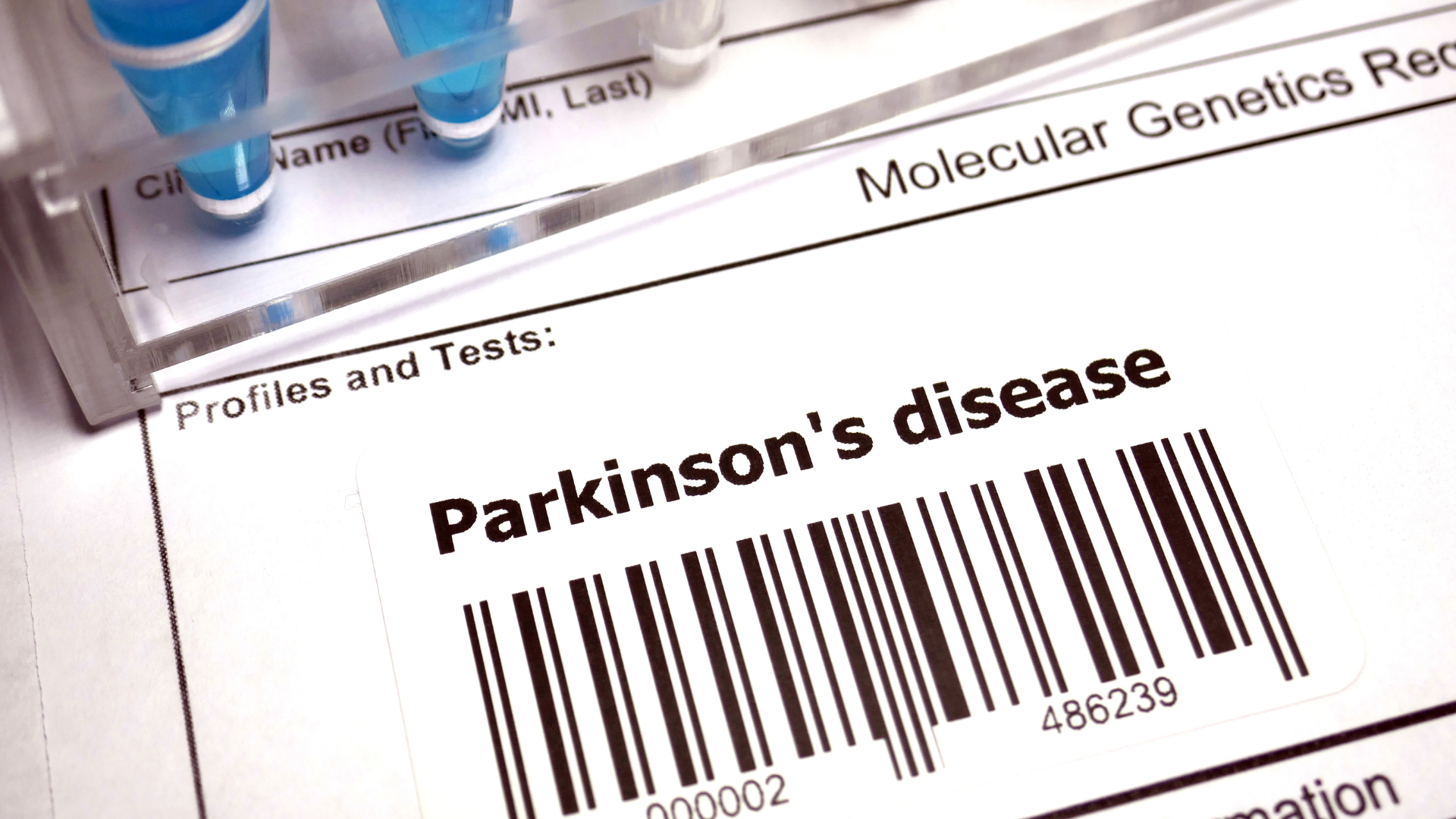
When Parkinson’s Meets Dental Care: What Patients Want the World to Know
Understanding the Overlooked Connection
Parkinson’s disease is widely known for its tremors, stiffness, and movement difficulties. But beneath these well-recognized symptoms lies another challenge that often receives far less attention: oral health.
A new qualitative study from researchers at the Academic Centre for Dentistry Amsterdam (ACTA) explores this issue directly from the perspective of those living with Parkinson’s disease in the Netherlands. Through in-depth interviews, the team uncovered how everyday symptoms—from fatigue to communication difficulties—shape patients’ experiences with oral hygiene and dental care.
Their message is clear: dental care for Parkinson’s patients needs more time, more understanding, and more tailored support.
What the Researchers Did
To hear patients’ experiences firsthand, the researchers conducted 11 semi-structured interviews with adults living with Parkinson’s disease.
Participants discussed four key areas:
Oral hygiene at home
Experiences during dental visits
Organisation and accessibility of dental care
Education and research needs
Using thematic analysis, the researchers identified recurring challenges, opportunities, and suggestions for improvement—forming one of the most patient-centered oral-health studies to date in the context of Parkinson’s disease.
Daily Oral Care: More Than Just Brushing
Many participants described how Parkinson’s symptoms—especially tremors, muscle rigidity, and low energy—disrupt their oral hygiene routine. For some, brushing teeth becomes slow and tiring. Others reported challenges with saliva: both too much and too little, making swallowing, speaking, and maintaining dental health more difficult.
Patients adapted by using electric toothbrushes, mouthwash, and high-fluoride toothpaste. Still, many noticed a sudden decline in oral health after—or even before—their diagnosis, including new cavities, gum problems, and unexplained pain.
The Dental Chair: Stressful, Exhausting, and Often Too Fast
A recurring theme was the emotional toll of going to the dentist. Participants described dental visits as physically exhausting and mentally stressful, often intensifying their symptoms.
Key concerns included:
Appointments that feel too rushed
Long treatment times that are difficult to tolerate
Busy, noisy waiting rooms that trigger stress
Difficulty keeping the mouth open or lying in the chair for long periods
Limited space for mobility aids like walkers
Several patients said they needed flexibility to cancel appointments when symptoms worsened—without feeling guilty or facing financial penalties.
Perhaps most striking, many felt that dentists paid little attention to their condition:
“Sometimes I feel like my dentist forgets that I have Parkinson’s.”
A System Not Designed for Parkinson’s Patients
Beyond the clinic room, participants highlighted broader systemic issues. They reported:
Minimal collaboration between dentists and other healthcare providers
Limited knowledge of Parkinson’s among general dentists
A lack of awareness that geriatric or ParkinsonNet-affiliated dentists even exist
Travel distance as a barrier to specialized care
Out-of-pocket costs that increase as oral health declines
Many suggested that dental care should be included in primary care coverage for people with Parkinson’s disease, given their higher need for treatment and prevention.
What Patients Want for the Future
Participants emphasized two major priorities:
1. Better Education for Dental Professionals
Patients believe future dentists should learn more about Parkinson’s disease—its symptoms, variability, and impact on dental treatment. They even recommended clinical demonstrations and workshops involving neurologists or Parkinson’s nurses.
2. More Research Focused on Their Real-World Problems
Patients voiced thoughtful research questions, such as:
Why do some experience early gum disease or dry mouth before diagnosis?
Are medication residues harmful to teeth?
What tools could help manage tremors during dental treatment?
Do dentists treat Parkinson’s patients differently, and why?
These questions highlight significant knowledge gaps still unaddressed in oral health research.
Why This Matters
This study gives voice to a group that often goes unheard in dentistry. While clinicians have previously described the challenges of caring for Parkinson’s patients, this research turns the spotlight to the patients themselves—revealing the emotional, physical, and organisational barriers they face.
The findings make one thing clear: improving dental care for people with Parkinson’s disease requires more than clinical skill. It requires empathy, time, communication, and better system-level support.
Conclusion
Parkinson’s disease affects far more than movement—it disrupts oral hygiene, dental visits, and access to proper care. By listening closely to patients’ experiences, this study highlights the urgent need for tailored treatment approaches, better education for dental professionals, and stronger collaboration across healthcare systems.
For patients living with Parkinson’s, better oral health isn’t just a medical necessity—it’s a vital part of daily comfort, confidence, and quality of life.
Original Article
Verhoeff MC, Pigeaud KE, Tholen DM, Rezk M, Lobbezoo F. Oral Health and Dental Health Care Experiences of Patients From the Netherlands With Parkinson’s Disease: A Qualitative Study. Gerodontology. 2025;42:529–535.
DOI: https://doi.org/10.1111/ger.12822