When Parents Misjudge Their Children’s Dental Fear
Why Listening Directly to Children Matters in Dental Clinics
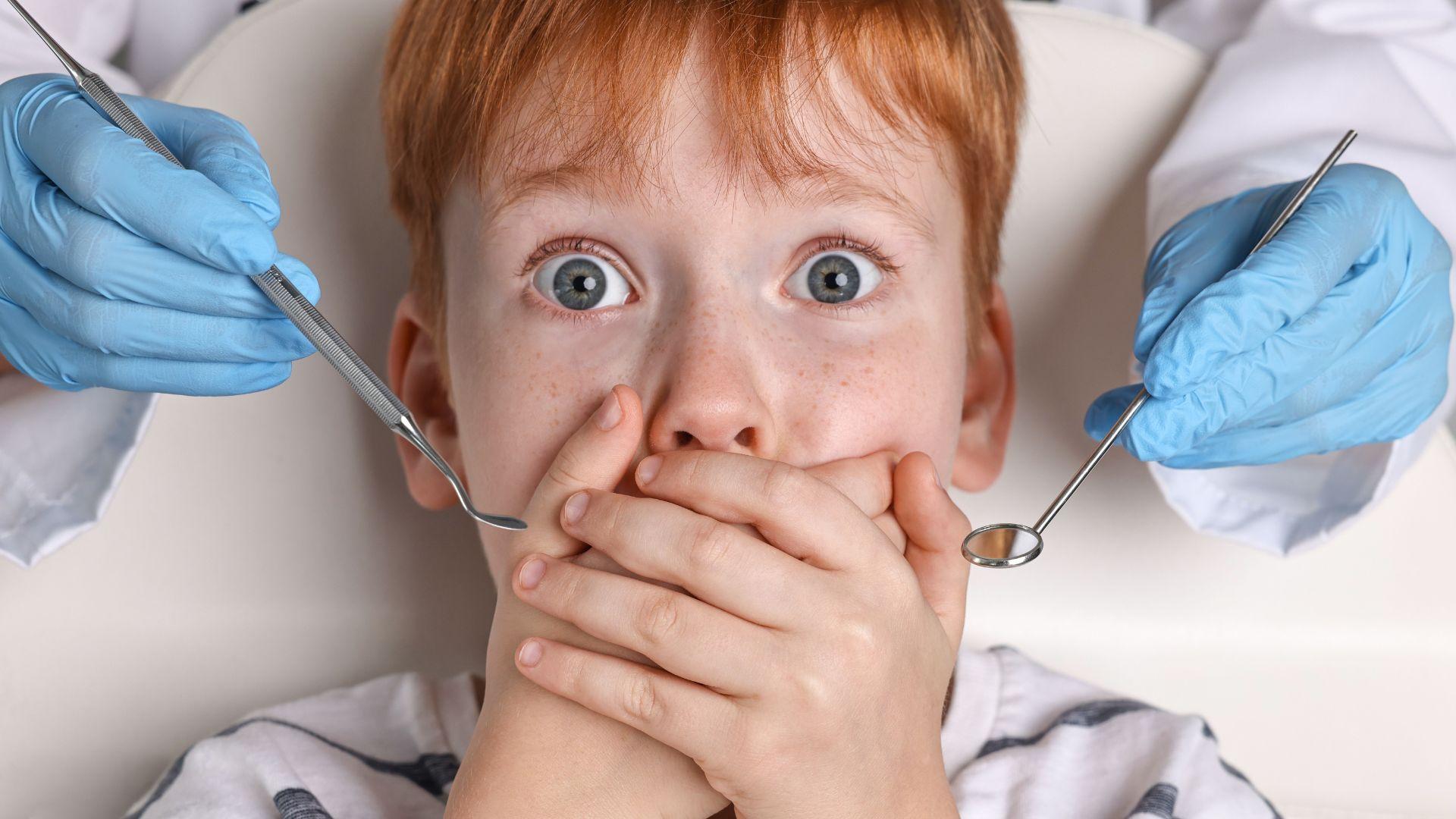
Dental anxiety is a common problem in pediatric dental care. Many children feel nervous—or even fearful before dental treatment, and this anxiety can affect both the success of the procedure and the child’s long-term attitude toward oral health. But how accurate are parents when judging how anxious their children really feel?
A recent study from China sheds new light on this question, revealing a surprising gap between what children feel and what their mothers think they feel during dental visits.
The Hidden Gap Between Children and Parents
In daily dental practice, dentists often rely on parents to describe their child’s emotional state. This is especially true for younger children who may struggle to express their feelings clearly. However, previous research has suggested that parents may unintentionally underestimate or overestimate their child’s dental anxiety.
The study by Fu and colleagues aimed to directly compare children’s self-reported dental anxiety with their mothers’ proxy reports, and to identify factors that influence children’s anxiety during dental treatment.
How the Study Was Conducted
The researchers carried out a cross-sectional study in a dental clinic in Zhengzhou, China. They enrolled 100 elementary school children (aged 6–12 years) along with their mothers.
Both children and mothers independently completed a combined assessment tool called MDAS-FIS, which merges:
the Modified Dental Anxiety Scale (MDAS), and
the Facial Image Scale (FIS), designed to make anxiety easier to express visually
Importantly, children and mothers filled out the questionnaires separately, ensuring that one did not influence the other’s responses.
The researchers then analyzed:
how closely mothers’ ratings matched their children’s own reports, and
which factors were associated with higher or lower dental anxiety in children.
What the Researchers Found
Mothers Often Underestimate Children’s Anxiety
The results were clear: children consistently reported higher levels of dental anxiety than their mothers did. While 30% of children scored in the range of high dental anxiety, only 6% of mothers identified their children as highly anxious.
When statistical agreement between the two reports was examined, the findings were striking:
Overall agreement was very low, meaning mothers’ assessments did not reliably reflect children’s actual feelings.
Even for procedures commonly feared by adults such as local anesthetic injections mothers still underestimated their children’s anxiety by a large margin.
In short, there was no meaningful agreement between children’s self-reports and mothers’ proxy reports of dental anxiety.
What Influences Children’s Dental Anxiety?
Beyond comparing reports, the study also explored factors linked to dental anxiety in children. Three key findings stood out:
Age matters
Older children were less anxious. Each additional year of age significantly reduced the likelihood of dental anxiety.
Experience helps
Children with more previous dental visits tended to be less anxious, suggesting that familiarity can reduce fear.
A mother’s presence makes a difference
Children whose mothers stayed with them during dental visits had significantly lower anxiety levels than those whose mothers were absent.
Interestingly, factors such as gender, oral hygiene habits, and having siblings were not strongly linked to dental anxiety in this study.
Why These Findings Matter
This study highlights an important message for dental professionals and parents alike: children’s voices matter. Relying solely on parental judgment may cause dental teams to overlook anxious children who need extra reassurance, communication, or behavioral support.
Encouraging children to directly express their feelings even at a young age can lead to:
earlier detection of dental anxiety,
better-tailored behavior management strategies, and
more positive dental experiences that carry into adulthood.
The Takeaway
Children know their own fears better than anyone else. This research strongly suggests that self-reported dental anxiety should be prioritized in pediatric dental care, with parental input used as a supportive complement not a replacement.
The study also reinforces a simple but powerful practice: having mothers present during dental visits can help reduce children’s anxiety, especially for younger patients.
Listening directly to children may be one of the most effective tools for creating calmer, more positive dental visits.
Reference
Fu, S.-W., Li, S., Shi, Z.-Y., & He, Q.-L. (2023). Interrater agreement between children’s self-reported and their mothers’ proxy-reported dental anxiety: a Chinese cross-sectional study. BMC Oral Health, 23, 139.
DOI: https://doi.org/10.1186/s12903-023-02834-1