When Oral Health Meets Heart Health: How Gum Disease and Cavities Together Raise Stroke Risk
A Hidden Link Between Mouth and Brain
Most people think of brushing and flossing as ways to prevent cavities or bad breath. But new research suggests that your toothbrush might also be protecting your brain.
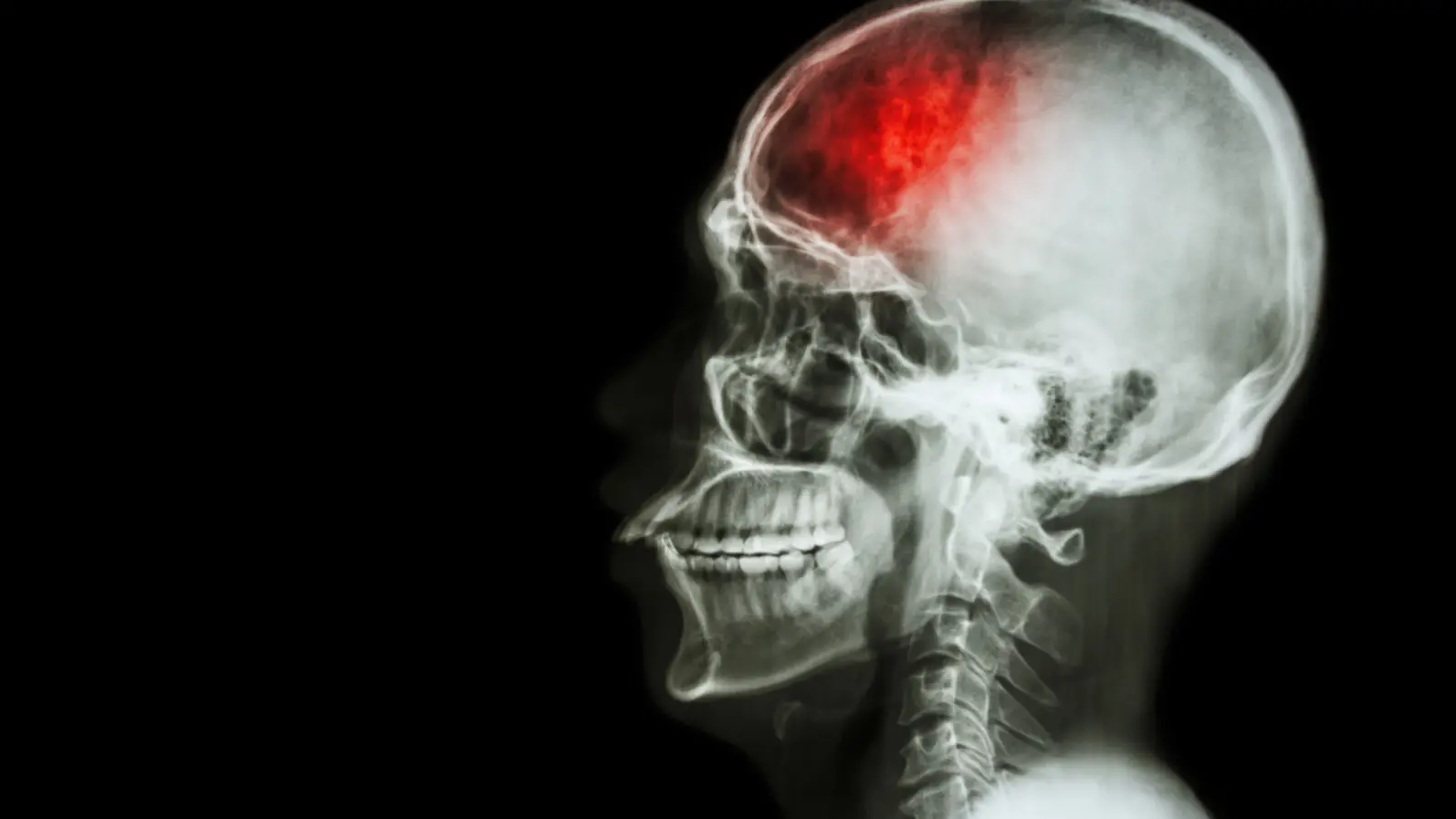
A large U.S. study published in Neurology Open Access has found that people who suffer from both periodontal disease (gum disease) and dental caries (tooth decay) face a significantly higher risk of ischemic stroke — a type of stroke caused by blocked blood flow to the brain.
While previous studies have linked each condition separately to heart and brain problems, this is one of the first to show how the combination of the two can nearly double stroke risk.
Inside the Study: 20 Years of Data
Researchers analyzed data from nearly 6,000 adults (average age 63) who took part in the Atherosclerosis Risk in Communities (ARIC) study — a long-term project tracking cardiovascular health across four U.S. communities.
Participants were divided into three groups:
Good oral health
Periodontal disease (PD) only
Periodontal disease with dental caries (PD + caries)
Over two decades of follow-up, researchers tracked incidents of ischemic stroke and major cardiovascular events such as heart attacks. They also compared oral health habits, including regular versus occasional dental care.
The Results: Poor Oral Health, Higher Stroke Risk
The numbers tell a striking story:
4.1% of participants with healthy mouths experienced an ischemic stroke.
6.9% of those with gum disease did.
10% of those with both gum disease and cavities suffered a stroke.
After accounting for age, race, blood pressure, smoking, and other health factors, people with both conditions had an 86% higher risk of ischemic stroke than those with healthy mouths.
They were also more likely to experience heart-related problems like heart attacks or fatal coronary disease.
Interestingly, the highest risks appeared for thrombotic and cardioembolic strokes, which are caused by blood clots or heart-originated blockages.
Why Oral Bacteria Affect the Brain
So how could gum disease and cavities impact blood vessels in the brain?
Both conditions cause chronic inflammation. Bacteria in infected gums or decaying teeth can enter the bloodstream, triggering immune responses that damage blood vessel walls and promote atherosclerosis (plaque buildup).
The study even notes that microbes linked to gum disease and cavities have been detected in arterial plaques and heart valves — suggesting a direct biological connection between the mouth and the cardiovascular system.
The Power of Regular Dental Care
There’s good news: prevention works.
Participants who reported regular dental visits had much lower odds of gum disease and cavities — and, consequently, lower stroke risk.
Regular dental care reduced the likelihood of gum disease by 29%.
It cut the odds of having both gum disease and cavities by a remarkable 81%.
This reinforces a simple message: consistent brushing, flossing, and professional dental checkups don’t just protect your smile — they may also protect your brain.
Beyond the Mouth: A Call for Integrated Health
The study’s authors emphasize that oral health should be part of cardiovascular risk assessments. Chronic gum inflammation may quietly contribute to systemic disease, meaning that dentists and physicians should work together in prevention strategies.
As lead researcher Dr. Souvik Sen from the University of South Carolina notes, integrating dental care into public health could help reduce the burden of both heart disease and stroke — two of the leading causes of death worldwide.
Limitations and Next Steps
The study relied on a one-time dental assessment and didn’t directly test whether treating oral disease lowers stroke risk. However, its long-term scope and large sample size strengthen the findings.
Future studies, including clinical trials, could determine whether improving oral hygiene directly prevents vascular disease — turning everyday dental care into a true brain-protective habit.
The Takeaway
🪥 Healthy gums, healthy brain.
This research adds to growing evidence that oral inflammation doesn’t stay in the mouth. Regular dental checkups and good hygiene could be a low-cost, high-impact way to prevent serious diseases like stroke.
Reference
Wood S, Logue L, Meyer J, Moss K, Beck JD, Johansen MC, Rosamond WD, Sen S. Combined Influence of Dental Caries and Periodontal Disease on Ischemic Stroke Risk. Neurology Open Access. 2025;1:e000036. DOI: 10.1212/WN9.0000000000000036