When a Simple Toothache Becomes an Antibiotic Problem: The Pericoronitis Paradox
That Painful Wisdom Tooth Might Not Need Antibiotics After All
If you've ever experienced the throbbing pain of an emerging wisdom tooth, you're not alone. Nearly 5% of people will develop pericoronitis an inflammation of the gum tissue surrounding a partially erupted tooth, most commonly affecting lower wisdom teeth in people aged 20-29. But here's the troubling part: while this common dental condition rarely requires antibiotics, dentists worldwide are prescribing them far too often.
A comprehensive review published in the International Journal of Environmental Research and Public Health reveals a stark disconnect between evidence-based treatment guidelines and actual clinical practice one that's contributing to the global antibiotic resistance crisis.
What Exactly Is Pericoronitis?
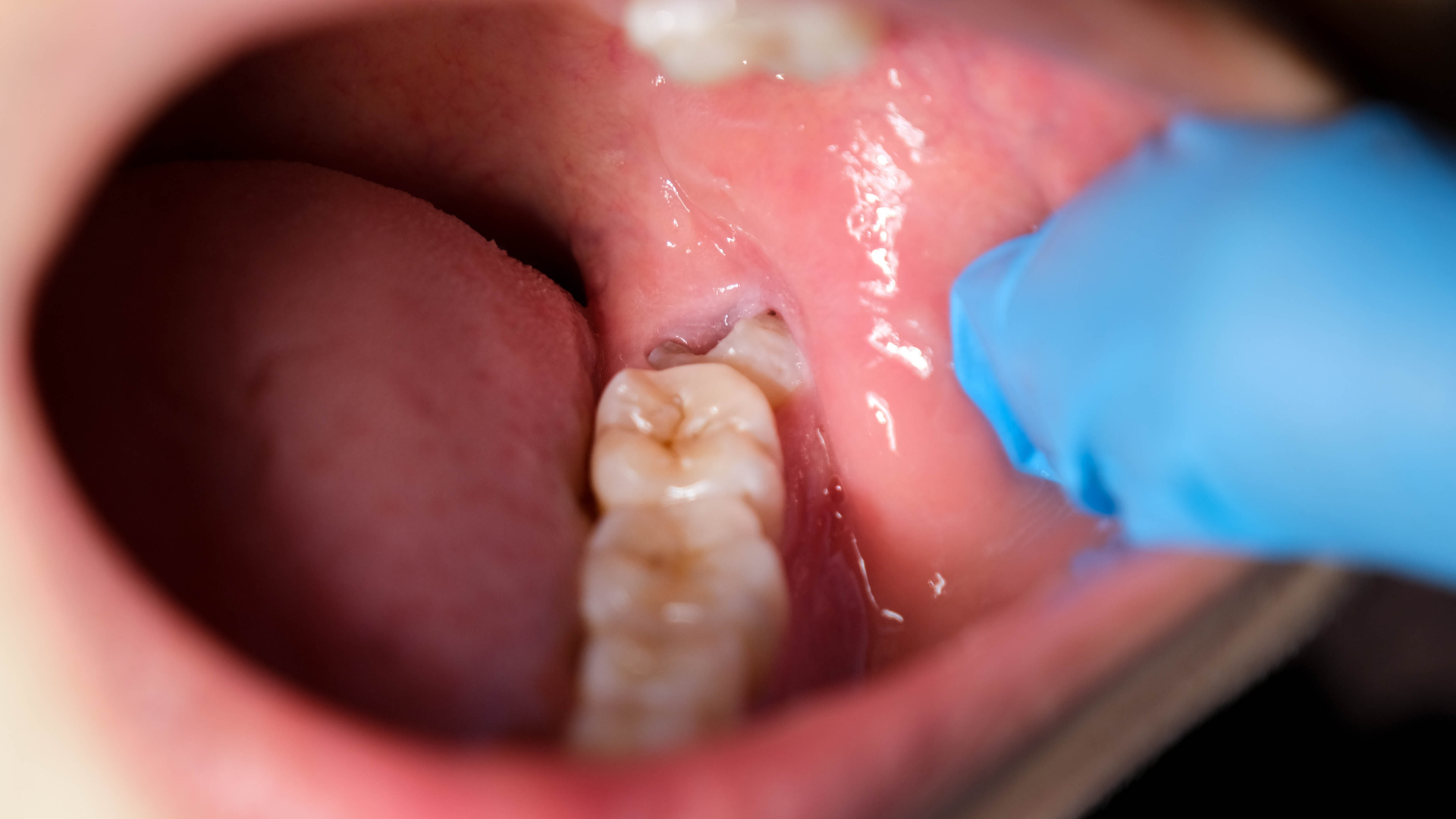
Picture this: a tooth partially breaks through the gum, creating a small pocket where food particles and bacteria can accumulate. This space becomes nearly impossible to clean properly, leading to inflammation, swelling, and that familiar pulsating pain that can radiate to your ear, throat, or jaw.
The condition isn't caused by catching something contagious. Rather, it's a structural problem bacteria that normally exist harmlessly in your mouth find a cozy hiding spot where they can overgrow. Factors like stress, upper respiratory infections (which precede about one-third of cases), poor oral hygiene, and even the premenstrual phase can trigger or worsen episodes.
The Treatment That Works: Keep It Local
Here's what the evidence actually says: most pericoronitis cases respond well to simple local treatment. This means irrigating the affected area with saline or antiseptic solutions, gently removing accumulated debris, draining any pus, and maintaining good oral hygiene with antiseptic mouthwash.
Antibiotics should be reserved for severe cases when the infection has spread to surrounding tissues or when systemic symptoms like fever appear. When antibiotics are truly needed, metronidazole or amoxicillin are the recommended choices, typically for no more than five days.
The Reality Check: A Systematic Review Uncovers Widespread Overprescription
The Czech research team analyzed 11 studies spanning from 2000 to 2021, examining both dentist surveys and patient treatment records across multiple countries including the UK, France, Germany, Croatia, Sudan, Iran, Kuwait, and the United States.
The findings are striking:
From dentist questionnaires: Nearly 75% of surveyed dentists reported prescribing antibiotics for pericoronitis. The condition consistently ranked among the top four reasons for antibiotic prescriptions in dental practice.
From patient records: Antibiotics were prescribed to more than half of pericoronitis patients, with the condition ranking as one of the top two diagnoses prompting antibiotic use.
In one UK study, a staggering 93% of pericoronitis patients received antibiotics. The reasons dentists gave for prescribing were telling: uncertainty about diagnosis (47%), time pressure (30%), and needing to delay definitive treatment (72%).
Why This Matters Beyond Your Mouth
Dentistry accounts for roughly 10% of all antibiotic prescriptions in the United States, 11% in Canada, and 8% in France. Unlike most medical specialties where antibiotic prescribing has decreased over time, dental prescriptions are actually increasing.
One Turkish study found that an alarming 96.6% of antibiotics prescribed by dentists were for irrational or uncertain indications. This overprescription directly contributes to antibiotic resistance identified as one of the 21st century's major global health challenges.
What Should Change?
The study authors emphasize three key problems driving inappropriate treatment: late diagnosis (when symptoms have already progressed), improper initial treatment, and insufficient knowledge of appropriate antibiotic use guidelines.
The solution isn't complicated: early detection and proper local treatment can resolve most cases quickly, cheaply, and without antibiotics. This approach not only spares patients unnecessary medication side effects but also preserves antibiotic effectiveness for when it's truly needed.
For patients, the takeaway is clear: if you develop pericoronitis, ask your dentist about local treatment options first. A simple irrigation might be all you need.
For dental professionals, the researchers call for better education on evidence-based pericoronitis management and adherence to principles of appropriate antibiotic prescribing including only using antibiotics when truly necessary, choosing the right drug at the right dose, and keeping treatment as short as evidence supports.
Reference: Schmidt, J., Kunderova, M., Pilbauerova, N., & Kapitan, M. (2021). A Review of Evidence-Based Recommendations for Pericoronitis Management and a Systematic Review of Antibiotic Prescribing for Pericoronitis among Dentists: Inappropriate Pericoronitis Treatment Is a Critical Factor of Antibiotic Overuse in Dentistry. International Journal of Environmental Research and Public Health, 18(13), 6796.
DOI: https://doi.org/10.3390/ijerph18136796