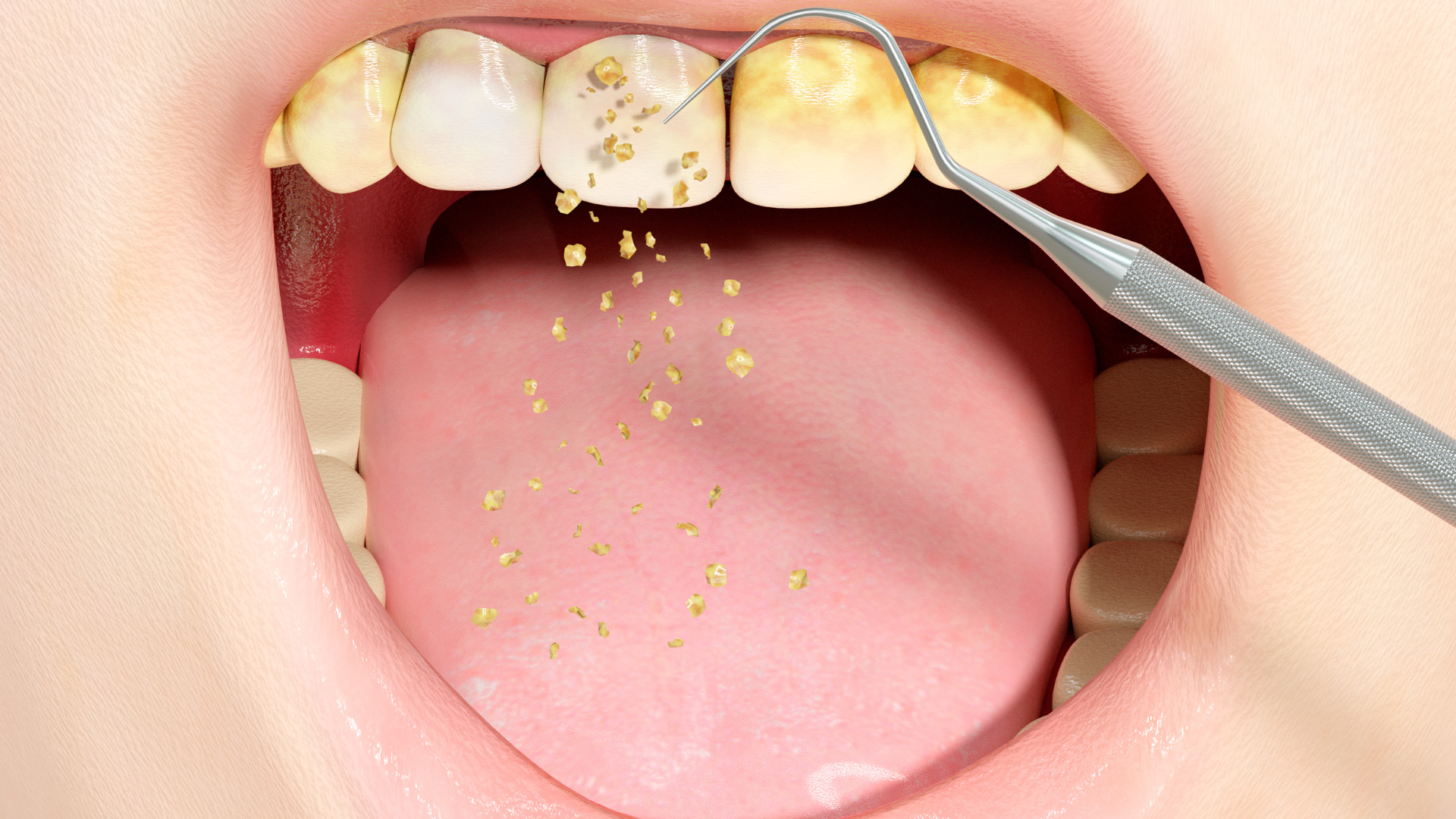
Understanding Dental Calculus at the Surface Level: What Happens When Teeth Meet Chemistry?
Why Dental Calculus Matters More Than We Think
Dental calculus—commonly known as tartar—is more than just hardened plaque. Once it forms on the tooth surface, it becomes a stubborn reservoir for bacteria and minerals, contributing to periodontal disease and other oral health problems. Despite its clinical importance, the detailed chemical and surface-level behavior of dental calculus is still not widely understood.
This study takes a closer look at dental calculus from a materials science perspective, exploring how its surface changes when exposed to chemical conditions similar to those found in the oral environment.
What Did the Researchers Aim to Explore?
The researchers set out to investigate how dental calculus interacts with chemical agents at the surface level, focusing on:
Changes in surface morphology
Chemical composition and mineral evolution
The interaction between dental calculus and external chemical environments
By understanding these processes, scientists hope to support the development of better prevention strategies and more effective dental treatments.
How Was the Study Conducted?
The research combined experimental laboratory analysis with computational modeling, allowing the team to observe dental calculus behavior in a controlled environment while also simulating chemical interactions at the molecular level.
Key approaches included:
Surface characterization techniques to observe structural changes
Chemical analysis to track mineral transformations
Computational simulations to explain how and why these changes occur
This combined approach provided both visual evidence and theoretical explanations for the observed phenomena.
What Did the Study Find?
The results showed that dental calculus is not chemically static. Instead, its surface undergoes noticeable changes when exposed to certain chemical conditions:
The surface structure can evolve, potentially affecting how bacteria adhere
Mineral components may rearrange or transform over time
These changes could influence how easily calculus can be removed or how it responds to preventive treatments
In short, dental calculus behaves like a dynamic material rather than an inert deposit.
Why Are These Findings Important?
Understanding the chemical evolution of dental calculus opens new possibilities in dentistry, including:
Designing more effective anti-calculus agents
Improving scaling and root planing techniques
Supporting preventive strategies that target calculus formation earlier
By bridging dentistry and materials science, this study provides valuable insight into how oral health challenges can be addressed at a fundamental level.
Key Takeaway
Dental calculus is more complex than it appears. This study highlights that its surface and chemical properties evolve over time, influenced by environmental conditions in the mouth. Recognizing calculus as a dynamic material could help shape future innovations in preventive and clinical dentistry.
Reference
Elhadad, A., Basiri, T., Al-Hashedi, A., Smith, S., Moussa, H., Veettil, S., Pérez Soriano, E. M., & Tamimi, F. (2025).
Reactivity of aragonite with dicalcium phosphate facilitates removal of dental calculus. Journal of Materials Science: Materials in Medicine, 36(27).