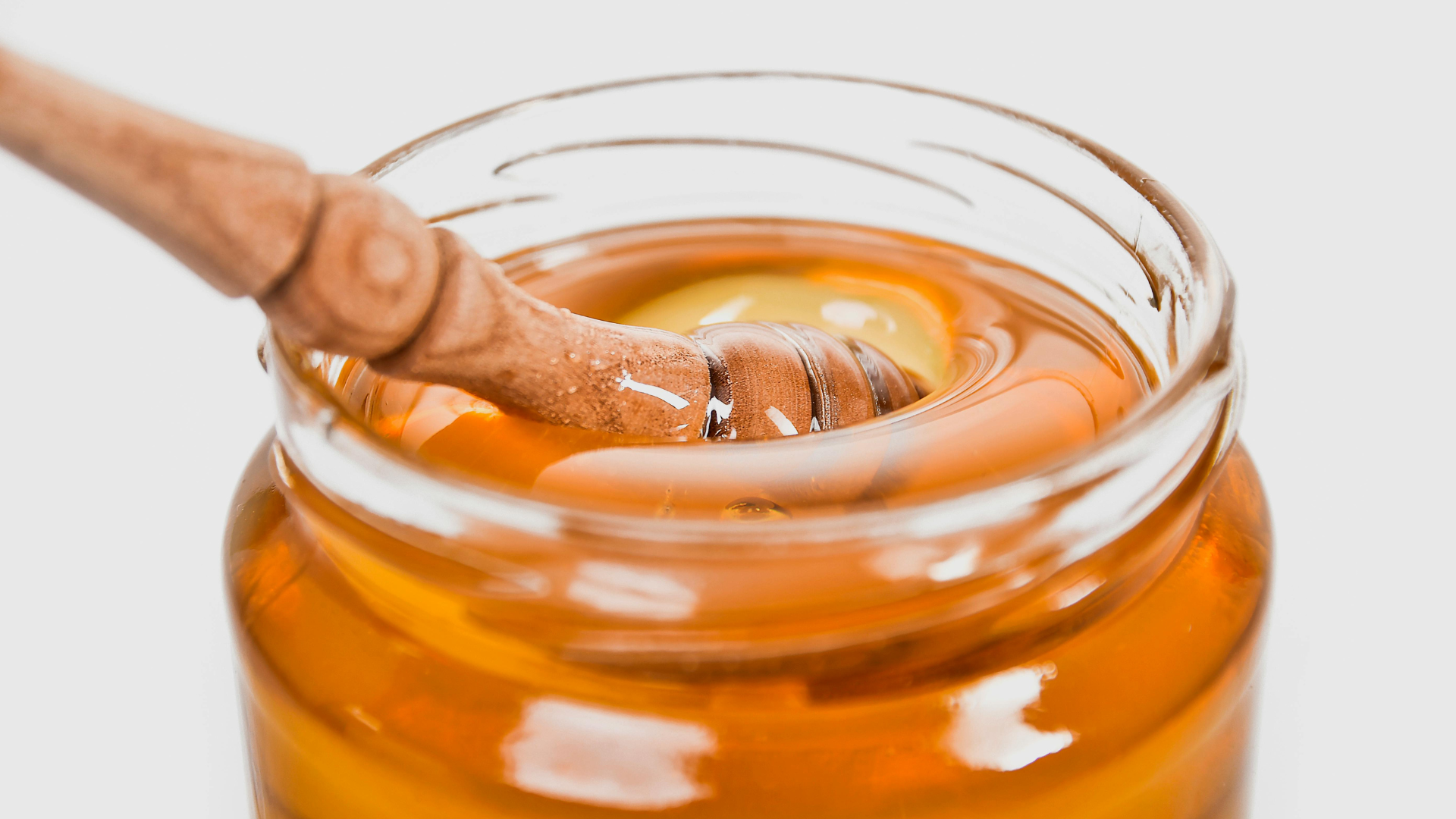
Tualang Honey Shows Promise Against Oral Cancer in Animal Study
A natural Malaysian honey demonstrates potential chemotherapeutic activity in preclinical research
Background: A Persistent Global Health Challenge
Oral cancer remains a serious global health problem, with more than 377,000 new cases each year and particularly high incidence in Asia. Despite advances in surgery, radiotherapy, and chemotherapy, survival rates for oral squamous cell carcinoma (OSCC)—the most common type—remain modest, and treatment side effects can significantly reduce patients’ quality of life.
These challenges have encouraged scientists to explore natural products as safer complementary or alternative therapies. One such candidate is Tualang Honey (TH), a Malaysian wild honey known for its high antioxidant content and previously reported anti-cancer effects in laboratory studies.
What the Researchers Wanted to Know
Although Tualang Honey has shown anti-tumor activity in cell-based experiments, its chemotherapeutic effect in living organisms—especially against oral cancer—remains poorly understood. This study aimed to answer two key questions:
Can Tualang Honey reduce the development of oral cancer tumors in an animal model?
Does it help prevent cancer cells from spreading to other organs?
To test this, the researchers used a well-established rat model of oral carcinogenesis induced by 4-nitroquinoline-1-oxide (4NQO), a chemical that reliably produces precancerous and cancerous lesions similar to human OSCC.
How the Study Was Conducted
A total of 28 male Sprague-Dawley rats were divided into four groups:
Normal control
Cancer-induced (4NQO) control
4NQO + Tualang Honey 1000 mg/kg
4NQO + Tualang Honey 2000 mg/kg
After eight weeks of cancer induction, the treated groups received daily oral doses of Tualang Honey for ten weeks. Researchers then examined the animals’ tongues and vital organs using histopathology to detect cancer severity and possible metastasis.
Key Findings: A Noticeable Drop in Cancer Incidence
1. Tualang Honey reduced the rate of oral cancer tumors
Compared to the cancer control group:
100% of untreated cancer-induced rats developed OSCC.
Only 42.9% of rats treated with TH 1000 mg/kg developed OSCC.
Incidence dropped further to 28.6% in rats treated with TH 2000 mg/kg.
This represents a dramatic reduction in cancer development—especially at the higher dose.
2. Honey did not significantly change tumor size
While cancer incidence decreased, the size of existing tumors did not differ significantly between honey-treated and untreated groups. This suggests that TH may work more strongly to prevent tumor formation rather than shrink established tumors.
3. No signs of metastasis in vital organs
Histological examination of the lymph nodes, lungs, liver, and kidneys showed no metastatic spread in either the treated groups or the cancer control group.
This is consistent with previous studies using the same carcinogen model, where metastasis is rare.
4. Body weight changes matched expected disease progression
Cancer-induced rats experienced progressive weight loss typical of OSCC, but honey treatment did not significantly alter this parameter.
Why This Matters
The findings reinforce the potential of Tualang Honey as a natural chemotherapeutic agent—not as a replacement for standard treatment, but as a promising complementary approach. Its naturally high levels of phenolic and flavonoid antioxidants may contribute to its ability to slow cancer development.
Although this is an early-stage study conducted in animals, the significant reduction in OSCC incidence suggests that Tualang Honey warrants further investigation in:
Mechanistic studies
Dose-optimization research
Human clinical trials
If future results are consistent, TH may become part of a broader strategy for safer, natural-based cancer therapy with fewer side effects.
Conclusion
This study provides compelling evidence that Tualang Honey can inhibit the development of oral squamous cell carcinoma in a rat model. The honey’s strong antioxidant profile may help slow carcinogenesis and support future chemotherapeutic applications. While clinical translation will require more research, the results position Tualang Honey as a promising natural agent in the fight against oral cancer.
Original Article
Title: Evaluation of Chemotherapeutic Activity of Tualang Honey on Oral Cancer
Journal: Asian Pacific Journal of Cancer Prevention, Vol. 26 (2025), pp. 1269–1275
DOI: 10.31557/APJCP.2025.26.4.1269