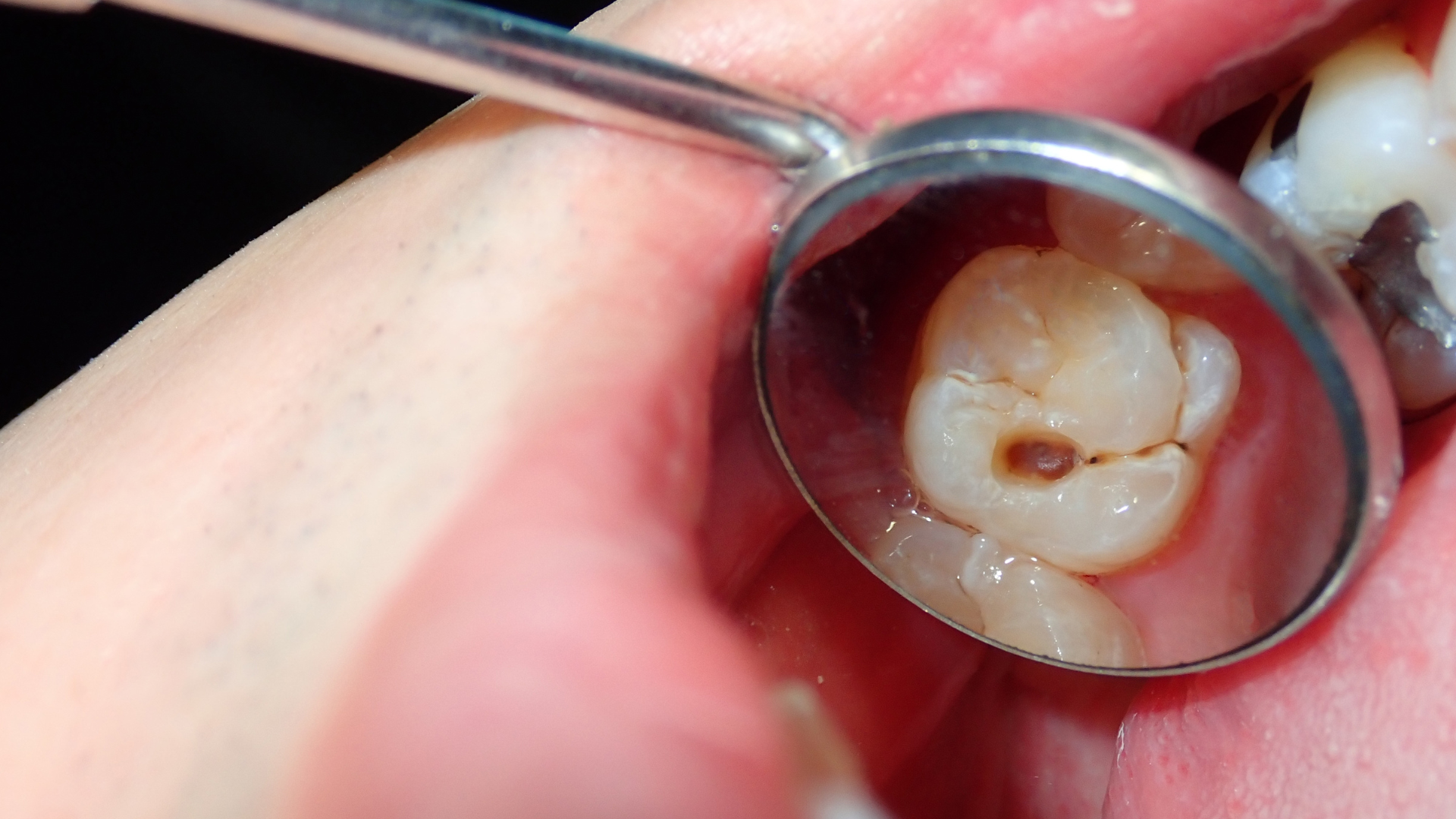
Tooth Decay Still Widespread Among Children in Tripoli
A large study highlights how daily habits and social factors shape oral health in Libya’s young generation
Why Children’s Dental Health Matters
Tooth decay is not just a minor childhood problem. When left untreated, cavities can cause pain, infection, difficulty eating, and missed school days affecting a child’s overall quality of life. In many developing countries, including those in the Arab region, dental caries remain one of the most common chronic diseases among children. Yet up-to-date data are often limited.
To help fill this gap, researchers conducted a large study in Tripoli, Libya, to better understand how widespread tooth decay is among school-aged children and what factors are linked to it
What Did the Researchers Do?
The study used a cross-sectional design, examining the oral health of 1,934 children during mandatory school-entry health examinations in 2019. The children came from two age groups:
First-grade children (6–7 years old), mainly with primary (baby) teeth
Seventh-grade children (11–12 years old), mainly with permanent teeth
Dental screenings were carried out at four community health centers in Tripoli, located in areas with different socioeconomic backgrounds. In addition, parents completed questionnaires about household characteristics, toothbrushing habits, sugar consumption, and dental visit history.
This approach allowed the researchers to look not only at how common tooth decay was, but also at behavioral and socioeconomic factors linked to children’s oral health.
How Common Was Tooth Decay?
The results revealed a strikingly high burden of dental caries:
78% of first-grade children had decay in their primary teeth
48.2% of seventh-grade children had decay in their permanent teeth
Even more concerning, most of the affected teeth were untreated, suggesting that many children were not receiving timely dental care. Younger children showed particularly severe decay, with an average of nearly four affected teeth.
These findings show that tooth decay remains a major public health issue for children in Tripoli.
Habits and Social Factors That Made a Difference
The study found that tooth decay was not evenly distributed. Several factors were strongly associated with whether children had cavities:
Socioeconomic environment: Children screened in higher-income districts were less likely to have untreated decay.
Maternal employment: Among older children, those whose mothers were employed tended to have fewer cavities and less severe decay.
Toothbrushing duration: Brushing for longer—especially three minutes or more—was linked to lower levels of decay in seventh-grade children.
Dental visit patterns: Children who had only visited a dentist for emergencies or treatment were more likely to have decay than those who had never visited, reflecting a pattern of seeking care only when problems arise.
Interestingly, brushing frequency alone was not always linked to better oral health, highlighting that how long children brush may be just as important as how often.
What Do These Findings Mean?
Overall, the study paints a clear picture: tooth decay is widespread, largely untreated, and strongly influenced by daily behaviors and social conditions. The authors emphasize that improving children’s oral health in Tripoli will require more than individual effort.
Public health strategies could include:
Strengthening preventive dental services
Promoting regular dental check-ups, not just emergency visits
Improving oral health education for families, especially around effective toothbrushing
Addressing broader socioeconomic barriers to care
By tackling these issues together, policymakers and health professionals can help reduce preventable dental disease and improve children’s well-being.
Conclusion
This large study provides valuable, up-to-date evidence that dental caries remain a serious problem among school-aged children in Tripoli, Libya. The findings highlight the importance of preventive care, good daily habits, and social support in protecting children’s oral health. Addressing these factors could make a meaningful difference for the next generation.
Original Article Reference
Alraqiq H, Eddali A, Boufis R. Prevalence of dental caries and associated factors among school-aged children in Tripoli, Libya: a cross-sectional study. BMC Oral Health. 2021;21:224.
DOI: 10.1186/s12903-021-01545-9