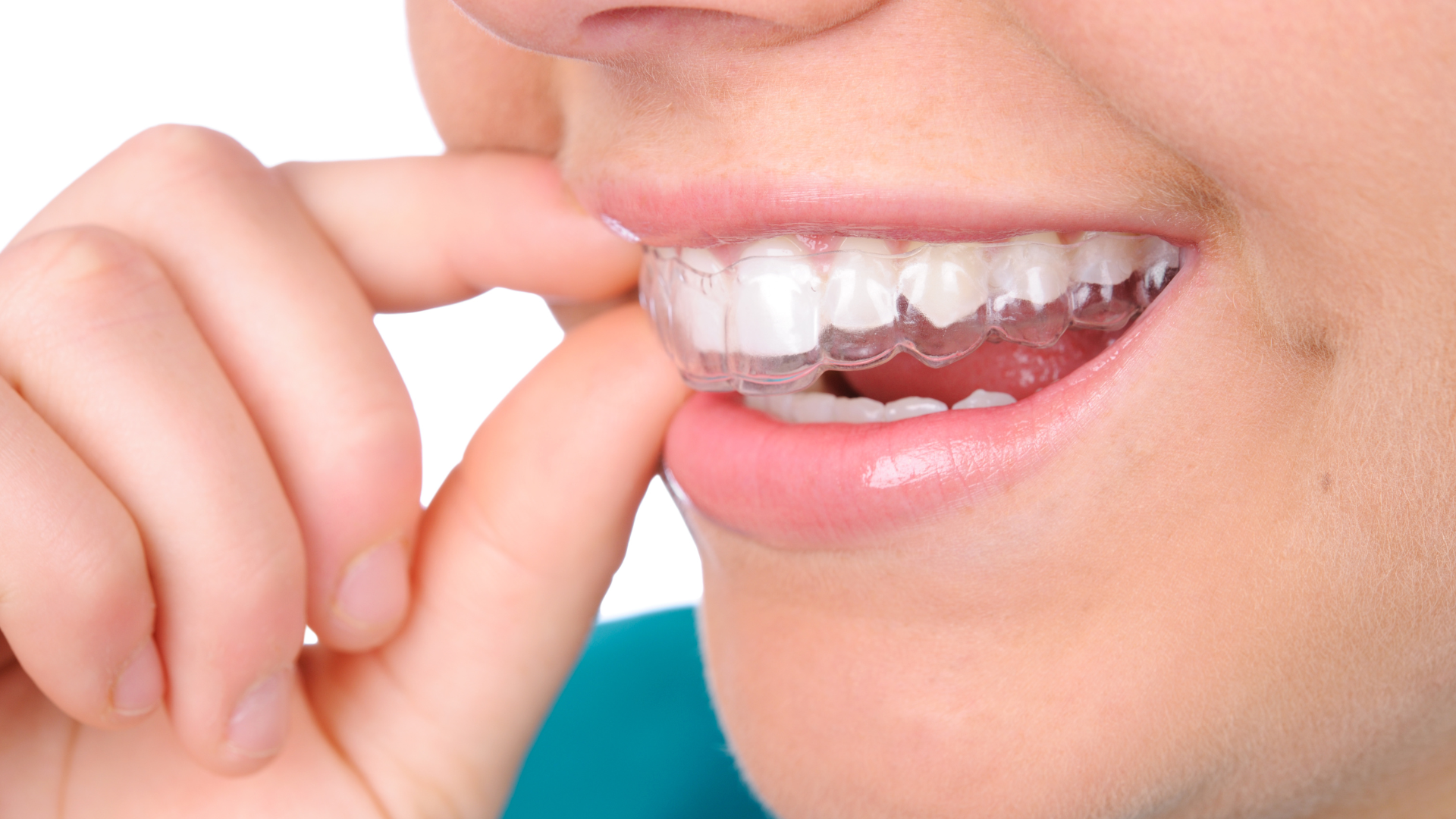
Living with Fixed Orthodontic Retainers
Do They Really Affect Patients’ Quality of Life in the Long Run?
When Straight Teeth Meet Daily Comfort
Orthodontic treatment is widely known for improving dental appearance and bite function. For many patients, wearing braces is a temporary challenge worth enduring for long-term benefits. However, what happens after the braces come off often receives less attention. One common post-treatment step is the use of orthodontic retainers especially fixed retainers bonded behind the teeth to prevent relapse.
While these retainers are effective in keeping teeth aligned, patients often wonder: Do fixed orthodontic retainers affect daily comfort and quality of life over time? This question becomes particularly important because retainers are often recommended for long-term or even permanent use.
A recent longitudinal study published in Dental Press Journal of Orthodontics set out to answer this question by examining how fixed orthodontic retainers influence patients’ oral health-related quality of life over several years
Understanding Quality of Life after Orthodontic Treatment
Oral health-related quality of life (OHRQoL) reflects how oral conditions impact a person’s physical comfort, emotional well-being, and social interactions. Even small issues such as discomfort, difficulty cleaning teeth, or appliance breakage can affect how patients feel in their daily lives.
Previous studies have shown that orthodontic treatment generally improves quality of life. However, fewer studies have focused on the retention phase, especially the long-term impact of fixed retainers placed after treatment ends.
What Did the Researchers Do?
The researchers conducted a longitudinal prospective study involving 45 adult patients who had completed orthodontic treatment at least three years earlier. These patients were evaluated at two time points:
T0: Around three years after treatment completion
T1: Four years later (approximately seven years post-treatment)
To measure quality of life, the researchers used the OHIP-14 questionnaire, a widely accepted tool that captures patients’ perceptions of pain, discomfort, psychological effects, and social limitations related to oral health.
They examined whether factors such as:
the presence of fixed retainers in the upper and/or lower jaw,
age and sex,
perceived tooth movement,
and retainer fracture or debonding
had any influence on patients’ quality of life over time.
Due to the COVID-19 pandemic, the second evaluation relied on online questionnaires and patient self-reports.
Key Findings: Short-Term Discomfort, Long-Term Adaptation
The results revealed an important and reassuring pattern.
In the short term, patients with fixed upper retainers reported a slightly worse quality of life compared to those without upper retainers. This suggests that discomfort, hygiene challenges, or the sensation of a bonded wire may initially affect daily well-being.
In the long term, however, this negative effect largely disappeared. Four years later, the presence of fixed retainers whether in the upper or lower arch no longer had a significant impact on quality of life. Most patients appeared to adapt to the retainers as part of their daily routine.
The Real Problem: Retainer Breakage
One factor stood out clearly: retainer fracture or debonding.
Patients who experienced breakage or detachment of their fixed retainers reported a noticeably worse quality of life. This was the only variable consistently associated with poorer outcomes in the long term.
Interestingly, perceived minor tooth movement (possible relapse) did not significantly affect quality of life, suggesting that patients may tolerate small changes as long as the retainer remains intact and comfortable.
Why Follow-Up Matters
The study highlights the importance of regular post-treatment follow-up. Fixed retainers themselves are not the main problem maintenance is. Undetected fractures or debonding can lead to discomfort, anxiety, and reduced satisfaction with treatment outcomes.
The authors also note that reduced access to dental care during the COVID-19 pandemic may have contributed to undetected retainer problems, emphasizing the need for continuous professional monitoring.
What Does This Mean for Patients and Clinicians?
For patients, the findings are reassuring:
Living with a fixed orthodontic retainer does not significantly harm quality of life in the long run, as long as the retainer remains intact.
For orthodontists, the study reinforces a key message:
Retention is not a “set and forget” phase. Ongoing supervision, patient education, and timely repair of retainers are essential to protect both treatment stability and patient well-being.
Final Takeaway
Fixed orthodontic retainers may cause mild discomfort shortly after placement, especially in the upper jaw. However, over time, patients adapt well. The real threat to quality of life is not the retainer itself but when it breaks and goes unnoticed.
Original Article Reference
Medina MCG, Santos CCO, Lima BO, Ferreira MB, Normando D.
Impact of fixed orthodontic retainers on oral health-related quality of life: a longitudinal prospective study.
Dental Press Journal of Orthodontics. 2024;29(1):e242317.
DOI: 10.1590/2177-6709.29.1.e242317.oar