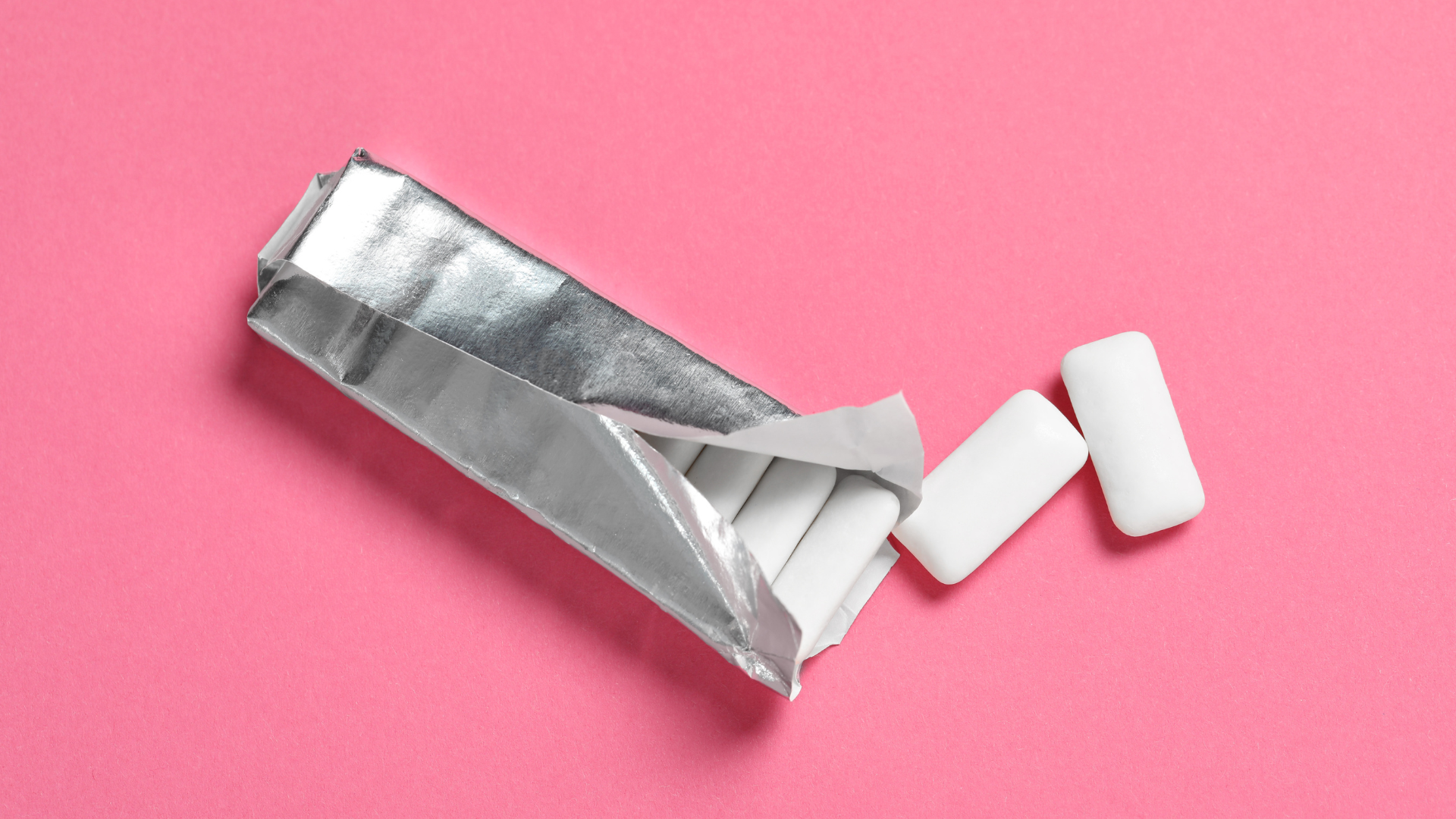
Is Xylitol Chewing Gum Really Better for Your Teeth? What the Evidence Says
Beyond “Sugar-Free”: Rethinking Gum for Oral Health
Sugar-free chewing gum has long been recommended as a tooth-friendly alternative to sugary snacks. But not all sugar-free gums are created equal. Among the many sweeteners used, xylitol has gained particular attention for its potential to protect teeth and gums.
A recent systematic review published in BMC Oral Health takes a closer look at a key question dentists often face: Does xylitol chewing gum offer specific benefits beyond other polyol-based gums, such as sorbitol or maltitol?
Why Xylitol Attracts So Much Interest
Xylitol is a naturally occurring sweetener found in small amounts in fruits and vegetables. Unlike regular sugar, it cannot be fermented by harmful oral bacteria. This makes it especially interesting in the fight against dental caries (tooth decay).
Previous studies suggested that chewing gum itself—by stimulating saliva—already helps neutralize acids in the mouth. However, this raised an important issue: are the benefits really from xylitol, or simply from chewing gum?
This review was designed to answer that question by focusing only on studies that compared xylitol gum with other polyol-sweetened gums, not with “no gum” controls.
What the Researchers Did
The authors systematically analyzed clinical studies published up to 2025, following international PRISMA guidelines. They reviewed:
Mutans streptococci (MS) levels – bacteria strongly linked to tooth decay
Dental plaque accumulation
Caries occurrence over time
Only prospective randomized or controlled clinical trials were included, involving children and adults. Importantly, xylitol gum was always compared directly with gums sweetened with other polyols, such as sorbitol, maltitol, or isomalt.
Key Findings: Small Molecule, Real Impact
Lower Levels of Harmful Bacteria
Across most of the studies reviewed, xylitol chewing gum significantly reduced levels of mutans streptococci compared with sorbitol-based gums. In many cases, MS levels decreased only in the xylitol groups, while remaining unchanged—or even increasing—in the control groups.
This suggests that xylitol has a specific antibacterial effect, not shared by all sugar alcohols.
Less Plaque Build-Up
The review also found that plaque accumulation was reduced more consistently with xylitol gum than with other polyol gums. While chewing itself helps clean the teeth, xylitol appeared to provide an added benefit in limiting plaque regrowth.
Fewer Cavities Over Time
When it comes to actual caries development, fewer long-term studies were available. Still, most trials showed a lower caries occurrence in participants using xylitol gum compared with those using other polyol gums. These findings align with the observed reductions in harmful bacteria and plaque.
What Makes Xylitol Different?
Chemically, xylitol is a five-carbon sugar alcohol, while most other commonly used polyols have six carbon atoms. This small structural difference appears to matter. Cariogenic bacteria can slowly adapt to some polyols like sorbitol—but xylitol disrupts bacterial metabolism, making it harder for these microbes to survive and multiply.
Implications for Daily Oral Care
Based on the available evidence, the authors conclude that xylitol chewing gum offers specific oral health benefits beyond other sugar-free gums. Chewing xylitol gum can be a useful adjunct to toothbrushing, helping to:
Reduce cariogenic bacteria
Limit plaque accumulation
Support caries prevention in both children and adults
Adults with plaque-related conditions, such as periodontal disease, may also benefit.
Conclusion
This systematic review strengthens the case for xylitol as more than just another sugar substitute. While all sugar-free gums are better than sugary ones, xylitol stands out for its targeted effects against harmful oral bacteria and plaque.
In everyday terms, choosing a xylitol-containing chewing gum may offer extra protection for your teeth—especially when used alongside regular brushing and good oral hygiene.
Original Article Reference
Söderling E, Pienihäkkinen K.
Specific effects of xylitol chewing gum on mutans streptococci levels, plaque accumulation and caries occurrence: a systematic review.
BMC Oral Health. 2025;25:1275.
DOI: 10.1186/s12903-025-06602-1