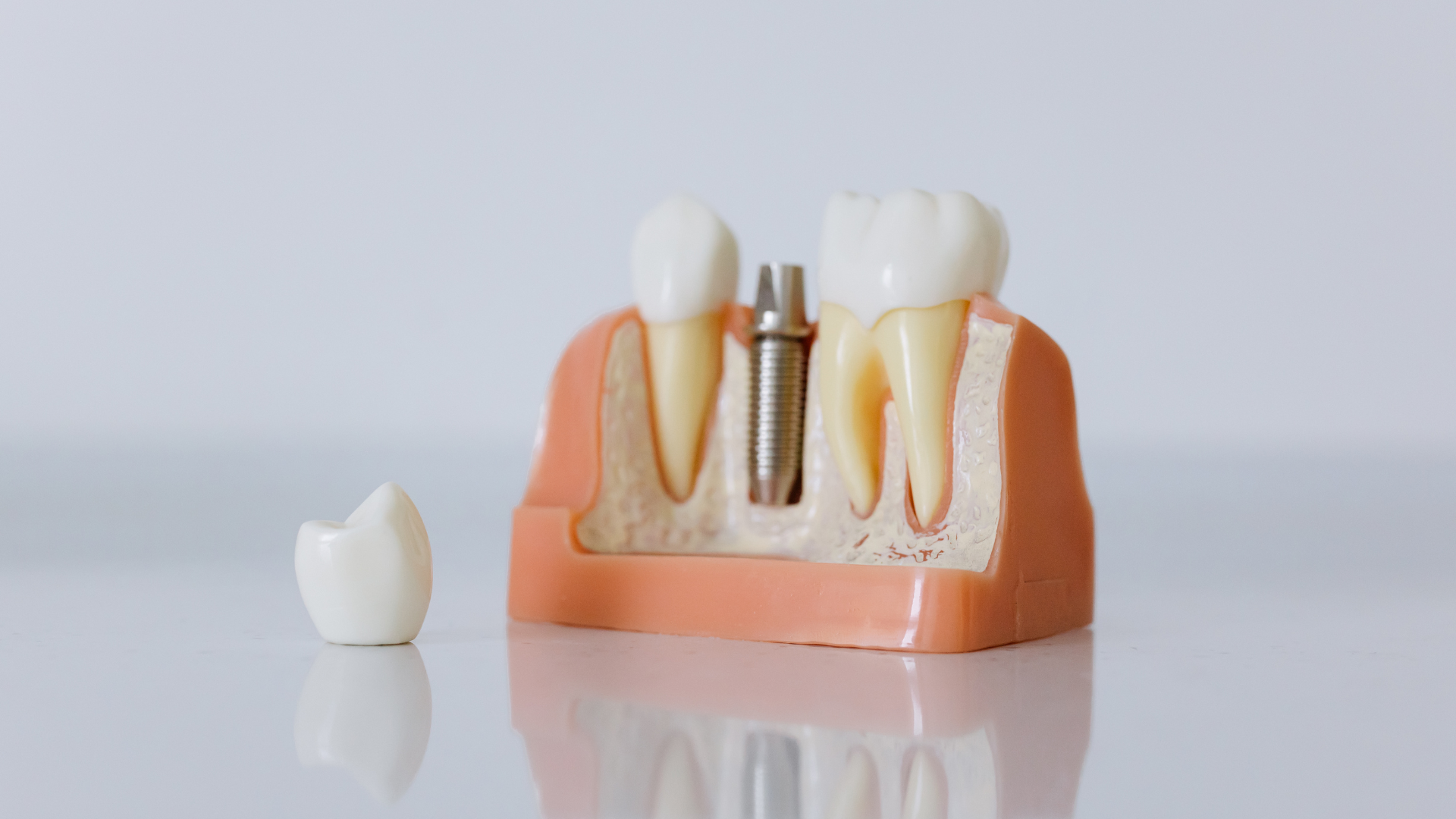
Graphene Oxide Coated Dental Implants: A Promising Step Toward Stronger and Safer Tooth Replacement
When Nanotechnology Meets Dental Implants
Dental implants have become a reliable solution for replacing missing teeth, but their long-term success still depends on two critical factors: strong bonding with the jawbone (osseointegration) and protection against infection. Scientists are now exploring advanced surface coatings to improve these outcomes. One material attracting growing attention is graphene oxide, a nano-scale form of carbon known for its unique biological and antibacterial properties.
A recent systematic review published in F1000Research examines whether dental implants coated with graphene oxide truly offer advantages over conventional implant surfaces
Why Implant Surface Matters
Most dental implants are made of titanium because it is strong and biocompatible. However, titanium implants can still face challenges such as delayed healing, weak bone attachment, and bacterial colonization around the implant. These issues may increase the risk of implant failure over time.
Surface modification has therefore become a key focus in implant research. By changing the implant’s outer layer without altering its core structure scientists aim to create surfaces that encourage bone growth while discouraging bacteria.
Graphene oxide stands out because it combines high surface area, biocompatibility, and antimicrobial activity, making it a promising candidate for next-generation implant coatings.
What Did the Researchers Do?
The authors conducted a systematic review following PRISMA guidelines, analyzing studies published between 2012 and 2022 that evaluated graphene oxide nano–coated dental implants. Major scientific databases such as PubMed, Scopus, Web of Science, and Embase were searched.
Out of 127 initially identified studies, five relevant studies met the strict inclusion criteria. These studies included laboratory experiments and comparative analyses that examined:
Bone implant contact
Bone density and mineralization
Cell adhesion and proliferation
Antibacterial effects and biofilm formation
The quality of each study was also assessed to understand potential sources of bias.
Key Findings: Better Bone Bonding and Fewer Bacteria
Across the reviewed studies, graphene oxide coatings showed consistent positive effects on implant performance:
Improved osseointegration
Graphene oxide coated implants demonstrated stronger bone attachment, increased bone density, and enhanced activity of bone-forming cells. These effects suggest faster and more stable integration with the jawbone.
Enhanced antibacterial properties
The coating was found to reduce bacterial adhesion and biofilm formation on implant surfaces. This is important because bacterial infections around implants (peri-implantitis) are a leading cause of implant failure.
Support for cellular activity
Studies reported higher cell proliferation and increased alkaline phosphatase activity both indicators of healthy bone formation around graphene oxide coated implants.
However, the review also highlighted important limitations. Most studies had moderate risk of bias, small sample sizes, and limited long-term data, making it difficult to draw definitive clinical conclusions.
What Does This Mean for the Future of Dental Implants?
The findings suggest that graphene oxide nano coating has strong potential to improve both the stability and safety of dental implants. By simultaneously promoting bone growth and reducing bacterial contamination, this material could help extend implant lifespan and lower complication rates.
Still, the authors emphasize that larger clinical trials and long-term studies are needed before graphene oxide coated implants can be widely adopted in everyday dental practice.
Conclusion
Graphene oxide represents an exciting advance at the intersection of nanotechnology and dentistry. While current evidence points to meaningful benefits in osseointegration and antimicrobial protection, further research will determine whether these advantages translate into consistent, long-term success for patients.
If future studies confirm these early results, graphene oxide coated implants may play a key role in the next generation of dental implant technology.
Original Article Reference
Rayannavar S, Kumar MVS, Kamath V, et al.
Osseointegrative and antimicrobial properties of graphene oxide nano coated dental implants: A systematic review.
F1000Research. 2024;13:281.
DOI: 10.12688/f1000research.148180.2