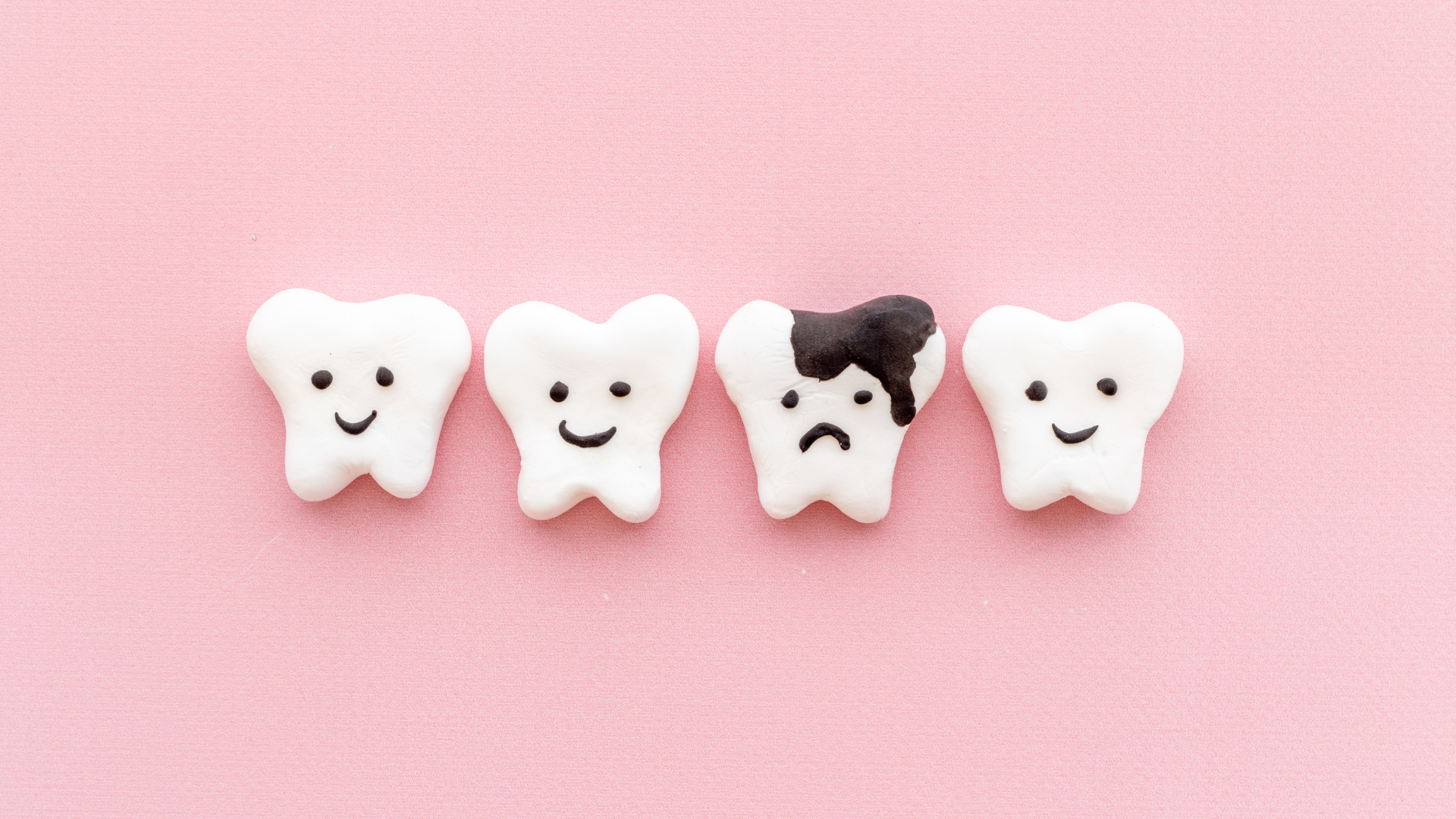
Gentler Dentistry for Kids? A New Trial Compares Carie-Care to Conventional Methods
A Softer Approach to Treating Cavities
For many children, getting a cavity treated can be an intimidating experience. Sharp instruments, drilling sounds, and discomfort often make dental visits challenging especially in community or school-based programs where resources are limited.
A new clinical trial published in The Scientific World Journal explores whether a gentler, chemomechanical method for removing cavities using Carie-Care™, a papain-based gel can offer a more comfortable alternative to the traditional Atraumatic Restorative Treatment (ART).
The study focuses on an important question:
Can Carie-Care™ make cavity treatment less painful for children without compromising the quality of the restoration?
Why This Matters
Atraumatic Restorative Treatment (ART) is widely used around the world, especially in low-resource settings. It removes decayed tissue manually and restores the tooth with glass-ionomer cement.
But chemomechanical caries removal (CMCR) methods, such as Carie-Care™, are gaining interest. These gels soften decayed dentin, allowing it to be removed more gently potentially reducing pain and anxiety in young patients.
Despite growing use, few studies have compared these techniques in permanent teeth, especially using standardized pain scales. This trial fills that gap.
What the Researchers Did
The research team conducted a randomized controlled trial among 32 schoolchildren aged 6–15 years in Karnataka, India.
Study Design
82 permanent molars with one-surface cavities were included.
Teeth were randomised into two groups:
Group 1: Carie-Care™ gel + hand excavation (CMCR)
Group 2: Standard mechanical removal (ART)
All teeth were restored with Type IX glass-ionomer cement.
Pain was measured using the Sound-Eye-Motor (SEM) scale, a validated behavioral pain assessment tool for children.
Teeth were evaluated again 18 months later due to pandemic-related delays.
Key Findings
1. Carie-Care™ Caused Less Pain
Children treated with Carie-Care™ showed significantly lower SEM pain scores compared to those treated with conventional ART.
This suggests the chemomechanical method is more comfortable for young patients.
2. Carie-Care™ Took More Time
On average:
Carie-Care™: ~731 seconds
ART: ~597 seconds
The gel requires a 2-minute application time and sometimes multiple rounds, explaining the longer procedure.
3. Both Methods Were Equally Successful Clinically
After 18 months:
80% of Carie-Care™ restorations were successful
76.4% of ART restorations were successful
No significant difference in restorative outcomes was found.
What It Means
The study highlights an important tradeoff:
Carie-Care™ → less pain, more time
ART → quicker, but slightly more discomfort
Since both methods show similar long-term success, Carie-Care™ may be especially appealing for school dental programs, anxious children, or settings where minimizing trauma is a priority.
Limitations to Consider
Procedures were performed in schools, without dental chairs, rubber dam, or anesthesia.
Follow-up schedule was disrupted due to COVID-19.
Treatments were completed by a single operator, preventing full blinding.
Despite these constraints, the study maintains good methodological rigor.
Conclusion
This trial suggests that Carie-Care™ offers a gentler, child-friendly alternative to conventional cavity removal without sacrificing treatment success. Although it takes longer, its reduced pain response makes it a promising option for community dentistry and school-based oral health programs.
Original Article
Title: A Randomised Controlled Trial Comparing Chemomechanical (Carie-Care™) Versus Conventional Caries Removal for Atraumatic Restorative Treatment
Journal: The Scientific World Journal (2025)