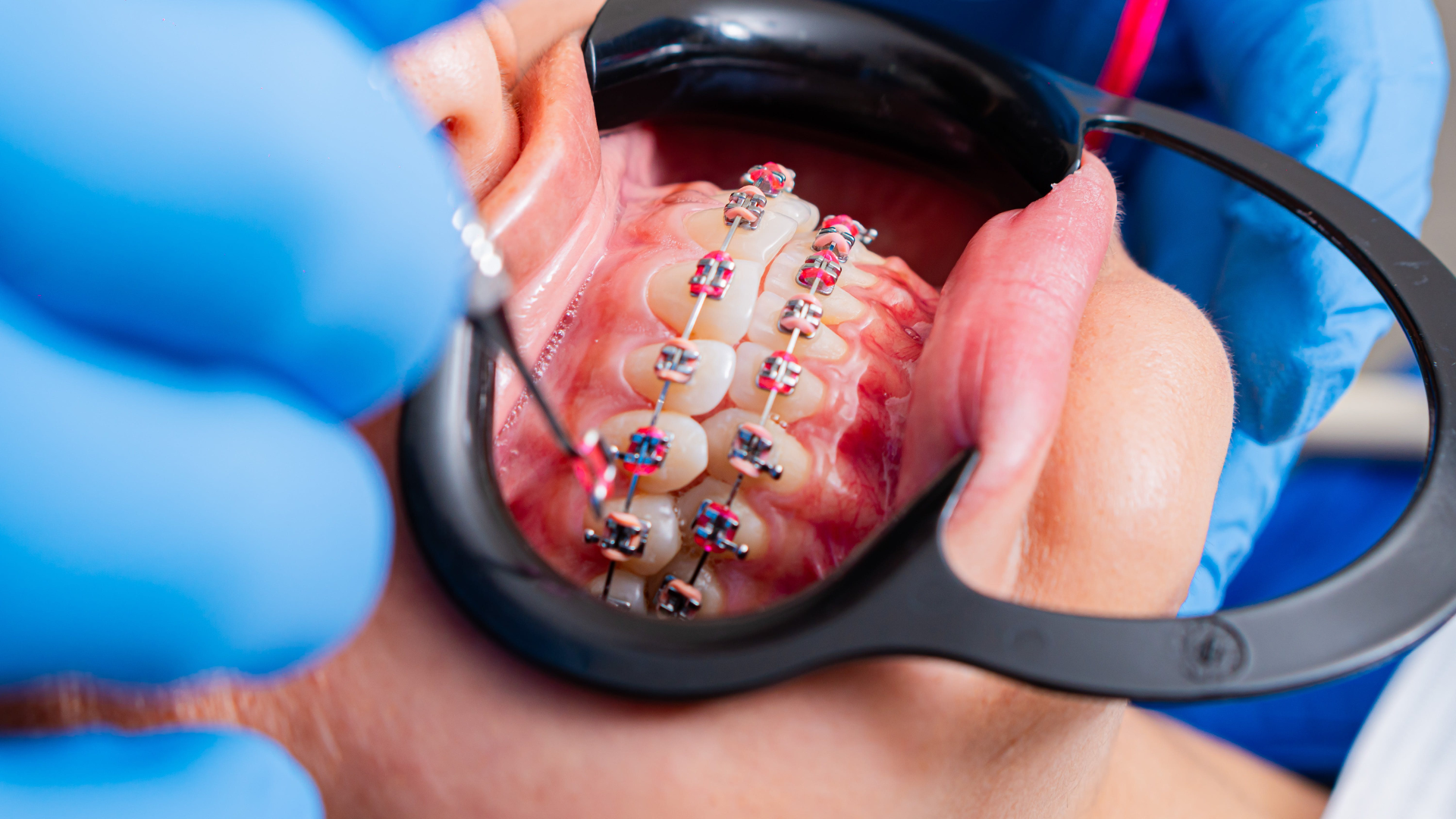
Easing the Ache After Braces
Which Physical Therapies Really Help Reduce Orthodontic Pain?
Orthodontic treatment is a long journey often lasting close to two years and for many patients, pain is one of the biggest challenges along the way. In fact, up to 100% of orthodontic patients report pain or discomfort, especially during the first two days after braces are installed or adjusted. This early pain can affect daily activities, lower quality of life, and even cause some patients to abandon treatment altogether.
To address this issue, researchers have explored a range of non-drug physical interventions designed to relieve orthodontic pain. But which methods actually work best? A recent large-scale study published in PLOS ONE offers some clear, evidence-based answers
Why Orthodontic Pain Happens
When orthodontic force is applied to move teeth, it compresses the periodontal tissues and temporarily disrupts blood flow. This process triggers inflammation and stimulates pain receptors, leading to soreness, tenderness, and discomfort especially within the first 24–48 hours, when pain typically peaks.
Pain management is therefore not just about comfort; it plays a key role in treatment adherence and success.
What the Researchers Set Out to Do
The research team conducted a systematic review and network meta-analysis, a method that allows multiple treatment options to be compared simultaneously even if they were not directly compared in the original studies.
The goal was to evaluate and rank the effectiveness of common physical pain-relief interventions after orthodontic treatment, focusing on the period of highest pain intensity.
The interventions analyzed included:
Low-Level Laser Therapy (LLLT)
Vibration therapy
Chewing therapy (such as chewing gum)
Acupuncture, including electrical variants
Pain levels were measured using the Visual Analog Scale (VAS) at 24 hours and 48 hours after orthodontic treatment.
How the Study Was Conducted
Researchers screened 771 published articles from multiple international databases. After rigorous selection and quality assessment, 28 randomized controlled trials involving hundreds of patients were included in the final analysis.
Advanced statistical methods were used to compare treatments and rank their effectiveness using SUCRA scores, a standard tool in network meta-analysis that indicates how likely an intervention is to be the best option.
What the Study Found
All Physical Interventions Reduced Pain
Overall, all four physical approaches laser therapy, vibration, chewing, and acupuncture—were shown to significantly reduce orthodontic pain compared to no intervention.
However, their effectiveness varied depending on timing.
Best Pain Relief at 24 Hours: Laser and Vibration
At the 24-hour mark, when pain is often at its peak:
Low-Level Laser Therapy (LLLT) ranked highest
Vibration therapy followed closely
These methods appear particularly effective for early pain control immediately after braces are placed or adjusted.
Best Pain Relief at 48 Hours: Acupuncture Takes the Lead
At 48 hours, a different picture emerged:
Acupuncture showed the strongest and most consistent pain relief
It also demonstrated longer-lasting effects compared to other interventions
This suggests acupuncture may be especially useful for patients who continue to experience discomfort beyond the first day.
Why This Matters for Patients and Clinicians
Traditional pain relief for orthodontic treatment often relies on NSAIDs, which can reduce inflammation but may also slow tooth movement and cause unwanted side effects. Physical interventions, by contrast, offer a drug-free alternative with fewer risks.
This study provides clinicians with practical guidance:
Laser therapy or vibration may be ideal for immediate post-treatment pain
Acupuncture may be the best option for sustained pain relief over the following days