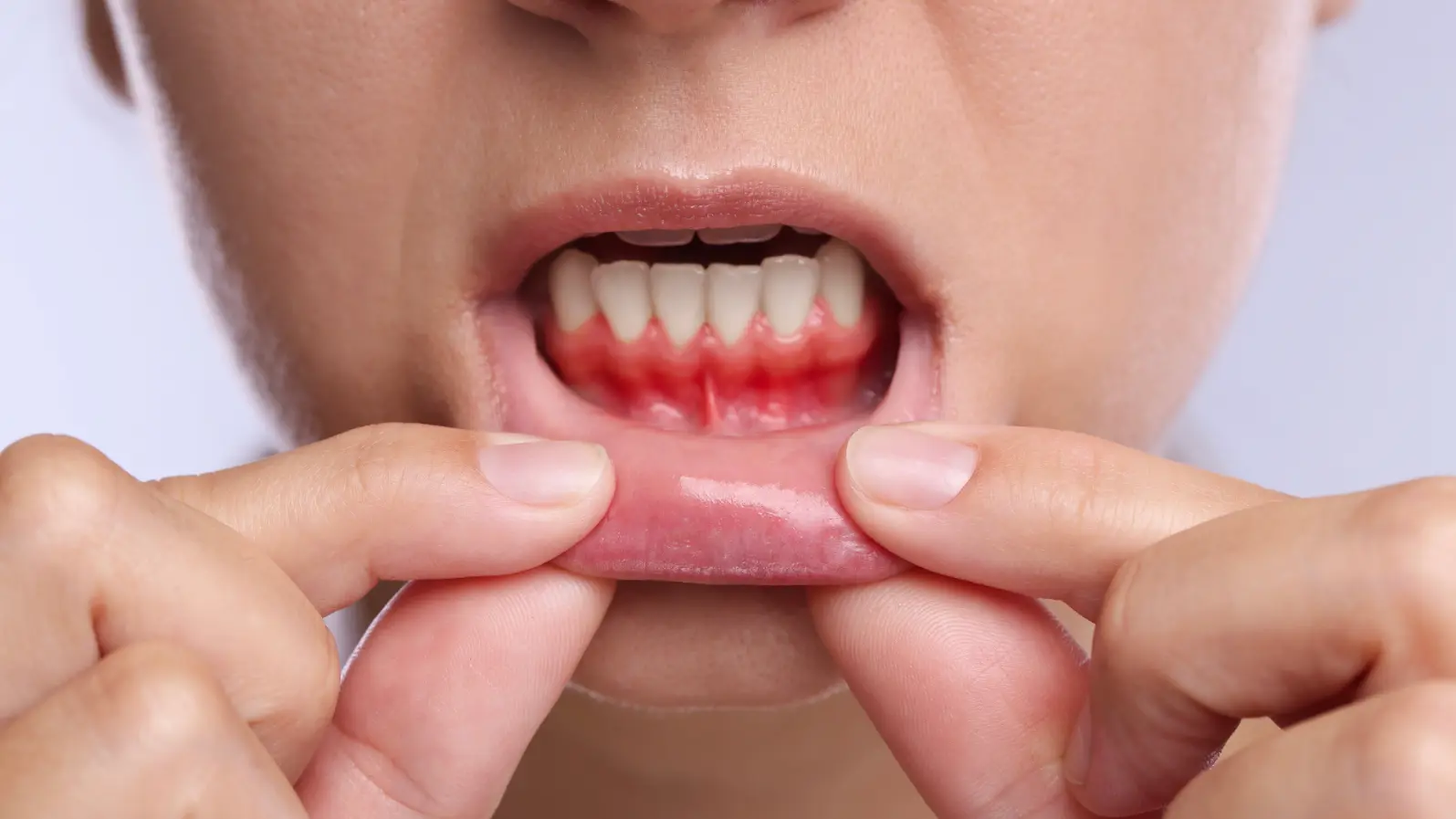
Do People Really Understand Gum Disease?
What Patients and Dentists Think About Gingivitis and Why It Matters
Gum Disease: Common, Often Ignored
Gum disease is one of the most widespread health problems in the world, yet it rarely gets the attention it deserves. Severe periodontitis affects more than one in ten people globally and can lead to tooth loss, discomfort when eating, and a decline in quality of life. Even more concerning, gum disease has been linked to systemic conditions such as diabetes, cardiovascular disease, and Alzheimer’s disease.
The earliest stage of gum disease gingivitis is reversible. But when left untreated, it often progresses to periodontitis, a more serious and permanent condition. Despite this, gingivitis remains highly prevalent. This raises an important question: Do patients actually understand what gum disease is, and do dentists believe their advice is making a difference?
What the Researchers Wanted to Know
A research team from the University of Bristol set out to explore how well patients understand gingivitis and how dentists manage it in everyday clinical practice. Their goal was simple but crucial: identify gaps between what patients experience, what dentists communicate, and what actually leads to long-term improvement in gum health.
The study also examined what patients believe would help them follow oral hygiene advice and whether dentists share the same views.
How the Study Was Conducted
The researchers carried out a questionnaire-based survey involving:
224 dental hospital patients, and
50 practicing dentists.
Patients were asked about their gum health, symptoms (such as bleeding or inflammation), oral hygiene habits, and awareness of the risks associated with poor gum health. Dentists, meanwhile, shared their perceptions of patients’ knowledge, how serious they considered gingivitis to be, and how effective they felt their oral hygiene advice was.
What They Found: A Gap Between Reality and Awareness
Clinically, the results were striking. Only 2% of patients had healthy gums, while 33% had gingivitis and 56% had periodontitis. Yet many patients did not recognize the warning signs. Nearly one-third reported that they never experienced bleeding gums, even though clinical examinations suggested otherwise.
While most patients said that healthy gums were important, fewer than 20% were aware that gum disease increases the risk of systemic conditions such as diabetes or heart disease. In other words, gum disease was often seen as a local mouth problem not a broader health concern.
Dentists largely viewed gingivitis as a manageable and reversible condition, which may explain why it does not always receive urgent emphasis during appointments. Although 96% of dentists reported giving oral hygiene advice, only 30% believed it led to lasting improvements. Many felt that patients started with good intentions but struggled to maintain changes over time.
What Helps Patients Follow Oral Hygiene Advice?
Both patients and dentists agreed on one key point: knowledge matters. Patients said they were more likely to follow advice if they clearly understood what could happen if they didn’t especially the long-term consequences of untreated gingivitis.
Other helpful strategies included:
One-to-one demonstrations of brushing and interdental cleaning,
Clear product recommendations (toothpaste or mouthwash),
Visual explanations of gum disease.
Interestingly, daily reminders via apps or messages were seen as the least effective tool, suggesting that motivation is driven more by understanding than by prompts.
Why This Study Matters
This research highlights a subtle but important disconnect. Patients care about their oral health, but often underestimate their own symptoms and the wider health risks of gum disease. Dentists, on the other hand, recognize gingivitis as reversible and may underestimate how little patients truly understand about its consequences.
The study suggests that improving education about the risks of gingivitis both oral and systemic could significantly boost long-term adherence to oral hygiene advice. It also points to the value of training dental professionals in behavior change techniques, not just clinical instruction.
The Takeaway
Gingivitis may be reversible, but ignoring it comes at a cost. This study shows that better communication especially about the real-world risks of poor gum health could help patients turn short-term motivation into lasting habits. Treating gingivitis seriously, both in the dental chair and at home, may be a key step toward better oral and overall health.
Original Article Reference
Rana H, Warnes B, Davies M, West NX.
Patient-reported understanding and dentist-reported management of periodontal diseases – a survey: do you know what gum disease is?
British Dental Journal, 2023; 235(2): 127–131.