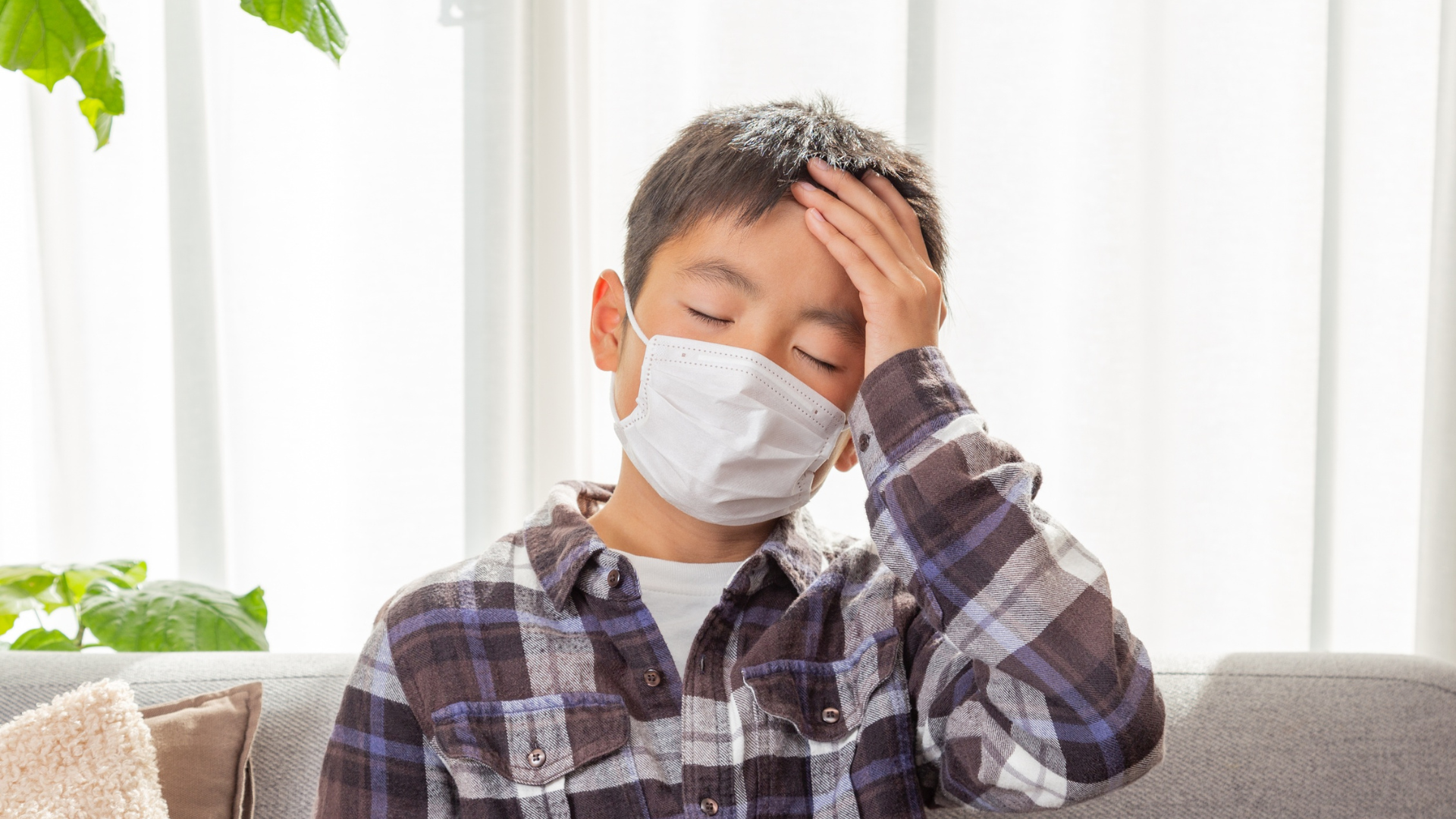
Do Braces Cause Headaches in Children?
What a Large Scientific Review Really Found
Headaches are surprisingly common in children and teenagers. From tension-type headaches to migraines, these conditions can disrupt school performance, social life, and overall quality of life. At the same time, orthodontic treatment—such as braces—has become increasingly common at a young age.
This overlap has raised a persistent question among parents, clinicians, and researchers alike: do orthodontic treatments trigger headaches in children and adolescents, or could they actually help reduce them?
A recent scientific review set out to answer this question using the strongest evidence available.
Why This Question Matters
Orthodontic treatments change how the teeth and jaws align. These changes can influence the temporomandibular joint (TMJ), facial muscles, and even nerve pathways linked to pain.
Some theories suggest that pressure from braces or jaw adjustments might provoke headaches, especially during treatment. Others argue the opposite: correcting malocclusion (misaligned bites) could reduce strain on the jaw and head, potentially easing headache symptoms.
Until now, evidence on this topic has been scattered and sometimes contradictory.
What the Researchers Did
Researchers from Germany, Brazil, Canada, and other institutions conducted a systematic review and meta-analysis, the gold standard for summarizing scientific evidence.
They analyzed studies involving children and adolescents aged 7–18 years who had dental malocclusions and either:
received orthodontic treatment (fixed or removable appliances), or
did not receive orthodontic treatment.
The team searched five major medical databases, following PRISMA guidelines, and included only studies that reported headache outcomes. In total, seven studies involving 1,141 participants met the inclusion criteria.
To ensure transparency, the researchers also assessed:
risk of bias using the QUIPS tool, and
certainty of evidence using the GRADE approach.
What the Study Found
1. Braces Do Not Increase Headache Risk
When data from multiple studies were pooled, the results showed no significant difference in headache prevalence between children who underwent orthodontic treatment and those who did not.
In simple terms:
👉 Orthodontic treatment was not associated with a higher risk of headaches during or after treatment.
2. Some Children Had Fewer Headaches After Treatment
Interestingly, one subgroup stood out.
Children with Class II malocclusion (a common bite problem where the upper jaw protrudes forward) who received orthodontic treatment experienced significantly fewer headaches after treatment compared to children with the same condition who were left untreated.
This suggests that, for certain bite problems, orthodontic correction may actually reduce headache frequency, rather than cause it.
3. Evidence Quality Still Needs Improvement
Despite these encouraging findings, the researchers urge caution. All included studies were rated as having a high risk of bias, mainly due to:
unclear headache diagnoses,
limited control of confounding factors, and
inconsistent reporting of orthodontic methods.