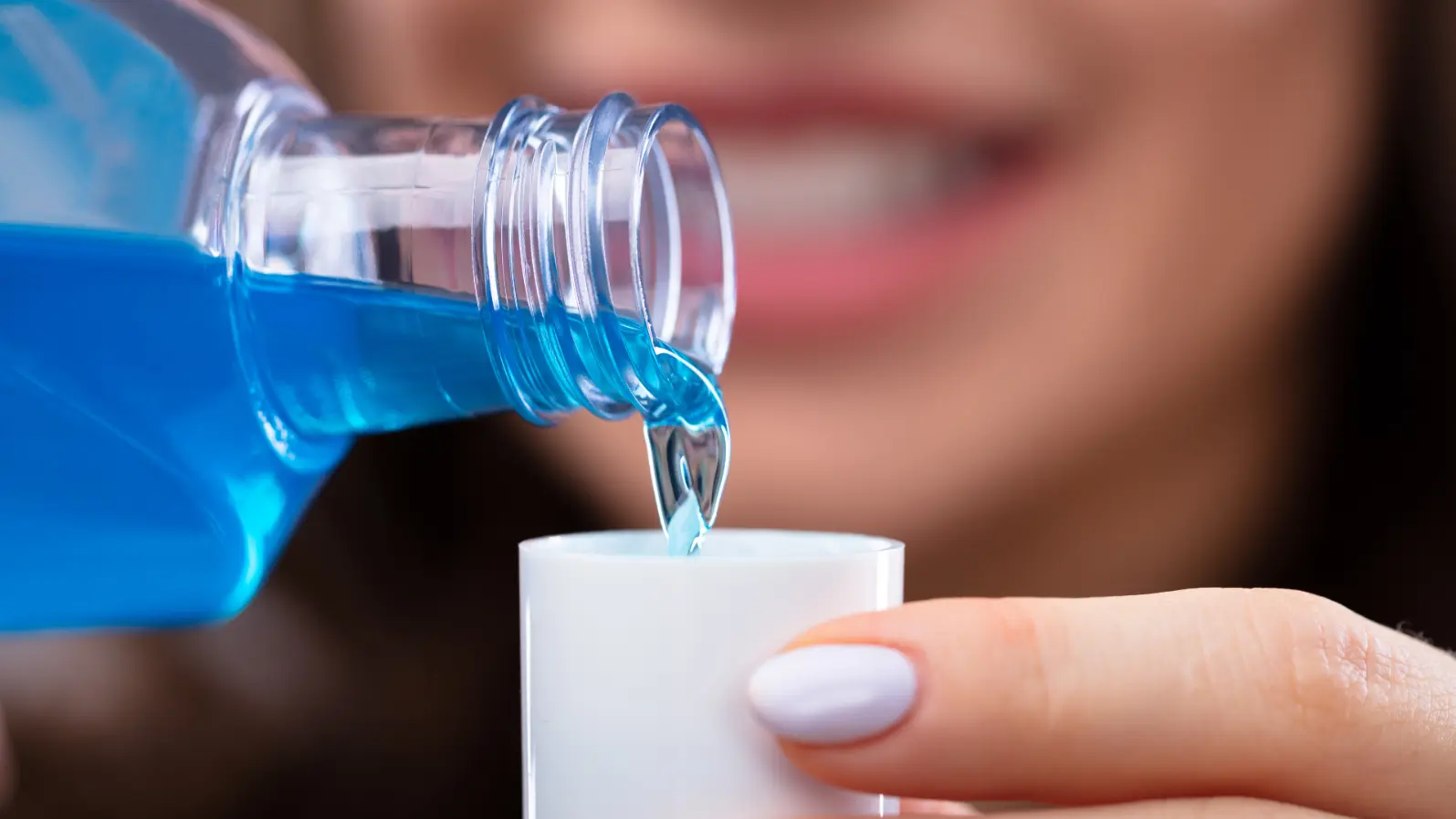
Chlorhexidine Mouthwash in Orthodontic Patients: Does It Really Make a Difference?
Keeping Gums Healthy During Braces Treatment
Orthodontic treatment with fixed braces is designed to improve dental function and aesthetics. However, wearing brackets and wires also creates new challenges for oral hygiene. Food debris and dental plaque can easily accumulate around orthodontic appliances, increasing the risk of gingivitis a common inflammatory condition of the gums.
To help control plaque and gingival inflammation, dentists often recommend antimicrobial mouthwashes. Among them, chlorhexidine (CHX) has long been considered the “gold standard.” But how effective is chlorhexidine compared to other mouthwashes for patients wearing braces?
A recent systematic review and meta-analysis set out to answer this question.
Why Gingivitis Is Common in Orthodontic Treatment
Fixed orthodontic appliances change the natural environment of the mouth. Brackets and bands create areas that are difficult to clean, protecting dental plaque from normal brushing, chewing, and saliva flow. When plaque accumulates, bacteria thrive and trigger inflammation of the gingiva.
Even patients with good oral hygiene habits can experience gingival swelling, bleeding, and discomfort especially during the first months of orthodontic treatment. While mechanical plaque control (toothbrushing and flossing) remains the cornerstone of prevention, chemical plaque control through mouthwashes is often used as a supportive measure.
What Did the Researchers Do?
The authors conducted a systematic review and meta-analysis to evaluate the effectiveness of chlorhexidine mouthwash in controlling gingivitis in patients undergoing fixed orthodontic treatment
Databases searched: Multiple electronic databases, including PubMed, EMBASE, and Cochrane CENTRAL
Study design included: Only randomized controlled trials (RCTs)
Total studies included: 14 RCTs
Participants: 602 orthodontic patients aged 11–35 years
Intervention: Chlorhexidine mouthwash (0.06%, 0.12%, or 0.2%)
Comparisons: Placebo mouthwashes or alternative formulations (herbal, probiotic, propolis-based, fluoride-containing, and others)
The researchers assessed outcomes such as plaque index, gingival index, bleeding scores, probing depth, and other indicators of gingival health. Study quality was evaluated using the Cochrane Risk of Bias tool, and data were analyzed quantitatively when possible.
What Did They Find?
Overall, the results confirmed that chlorhexidine mouthwash is effective in reducing plaque accumulation and gingival inflammation in orthodontic patients.
Key findings include:
Chlorhexidine consistently reduced plaque and gingivitis compared to no treatment or placebo mouthwashes
Improvements were most noticeable during the early weeks of use
When compared with certain alternative mouthwashes such as those containing herbs, probiotics, or propolis chlorhexidine was not significantly superior
Meta-analysis showed no statistically significant difference between chlorhexidine and these alternative mouthwashes in gingival index scores after 3–4 weeks
These results suggest that while chlorhexidine works well, some non-chlorhexidine mouthwashes can achieve similar clinical outcomes in terms of gingival health.
What Does This Mean for Patients and Clinicians?
Chlorhexidine remains a reliable option for controlling gingivitis in patients wearing braces, especially when mechanical plaque control is insufficient. However, its advantages over other antimicrobial mouthwashes may not always be substantial.
This is clinically important because long-term use of chlorhexidine is often associated with side effects such as tooth staining and taste alteration. When alternative mouthwashes provide comparable benefits, they may serve as suitable options for certain patients.
Conclusion
This systematic review shows that chlorhexidine mouthwash is effective in controlling gingival inflammation and bleeding during fixed orthodontic treatment. However, it is not clearly superior to several alternative mouthwashes that also demonstrate beneficial effects on plaque and gingival health.
For optimal results, chlorhexidine should be viewed as a supportive tool, not a replacement for thorough toothbrushing and good oral hygiene practices. Individual patient needs, risk factors, and tolerance should guide the choice of mouthwash during orthodontic care.
Original Article Reference
Karamania I, Kalimeria E, Seremidi K, Gkourtsogianni S, Kloukos D.
Chlorhexidine Mouthwash for Gingivitis Control in Orthodontic Patients: A Systematic Review and Meta-Analysis.
Oral Health & Preventive Dentistry. 2022;20:279–294.
DOI: 10.3290/j.ohpd.b3170043