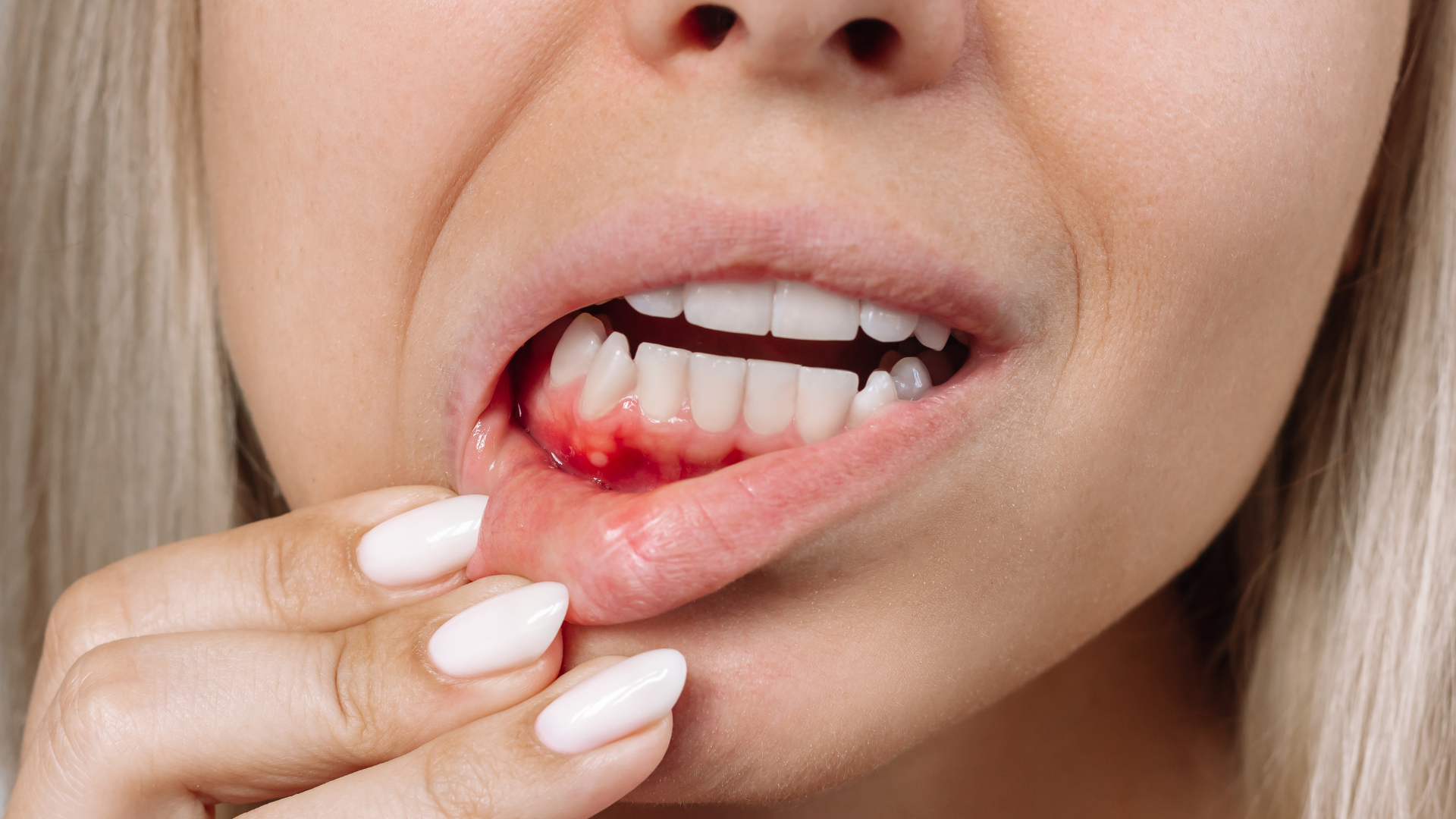
Can Regular Exercise Protect Your Gums?
A Global Review Links Physical Activity to Lower Risk of Periodontitis
Why Gum Disease Matters Beyond the Mouth
Periodontitis often called advanced gum disease is one of the most common chronic inflammatory conditions worldwide. It affects up to half of the global population and is a leading cause of tooth loss in adults. Beyond oral health, periodontitis has been linked to systemic conditions such as cardiovascular disease, diabetes, and arthritis.
At the same time, regular physical exercise is widely known to reduce inflammation, improve metabolic health, and lower the risk of chronic diseases. But does staying physically active also help protect our gums? Until recently, the evidence was scattered and sometimes contradictory.
A new comprehensive review and meta-analysis published in BMC Sports Science, Medicine and Rehabilitation set out to answer this question more clearly.
What Did the Researchers Investigate?
The research team, led by Cao and colleagues, aimed to examine whether exercise is associated with a lower prevalence or severity of periodontitis. Unlike earlier reviews that relied on only a few studies, this paper combined evidence from both observational studies and intervention trials, offering a broader and more reliable picture.
The authors asked a simple but important question:
Do people who exercise regularly have a lower risk of periodontitis compared to those with sedentary lifestyles?
How Was the Study Conducted?
Following international PRISMA guidelines, the researchers systematically searched four major scientific databases, including PubMed, Scopus, and Web of Science. Studies published between 1993 and 2023 were screened.
In total:
4,098 articles were identified
30 studies met the inclusion criteria
These studies involved participants of all ages from multiple countries
Both observational studies and exercise intervention trials were included
The team then performed a meta-analysis to quantify the overall relationship between physical activity and periodontitis risk.
What Did the Results Show?
The findings were strikingly consistent.
20 out of 30 studies reported an inverse relationship between exercise and periodontitis
People who were physically active had a 16% lower risk of periodontitis compared to inactive individuals
The pooled risk ratio was 0.84, indicating a statistically significant protective association
In simple terms, individuals who exercised regularly were less likely to have gum disease and when they did, the condition tended to be less severe.
Several studies also suggested that higher physical activity levels were linked to:
Less gum bleeding
Shallower periodontal pockets
Better overall periodontal health
Why Might Exercise Help Gum Health?
Although the study did not focus on biological mechanisms, the authors highlighted several plausible explanations:
Exercise reduces systemic inflammation, a key driver of periodontitis
Physical activity improves immune regulation
Active individuals often have healthier overall lifestyles, which may indirectly benefit oral health
However, the authors emphasized that exercise should be seen as a supportive strategy, not a replacement for good oral hygiene or professional dental care.
What Are the Practical Implications?
This review suggests that promoting regular physical activity could play a role not only in preventing chronic systemic diseases, but also in supporting periodontal health.
For healthcare professionals, including dentists and public health policymakers, the findings open the door to more integrated prevention strategies linking oral health promotion with broader lifestyle interventions.
Conclusion
Based on the current evidence, regular physical exercise is associated with a lower presence and reduced severity of periodontitis. While exercise alone cannot prevent gum disease, it may serve as an important complementary approach alongside brushing, flossing, and professional dental care.
As research continues to explore the oral–systemic health connection, staying active appears to benefit not just the heart and muscles but the gums as well.
Original Article Reference
Cao R, Qiu P, Zhou Y, Dong B, Han Y, Fan Z.
The underlying relationship between exercise and the prevalence of periodontitis: a systematic review and meta-analysis.
BMC Sports Science, Medicine and Rehabilitation. 2023;15:161.
DOI: 10.1186/s13102-023-00759-4