Can Oral Lesions Be Diagnosed from a Distance?
How Teledentistry Helps Specialists Detect Oral Disease in Chile
A New Way to See Oral Health
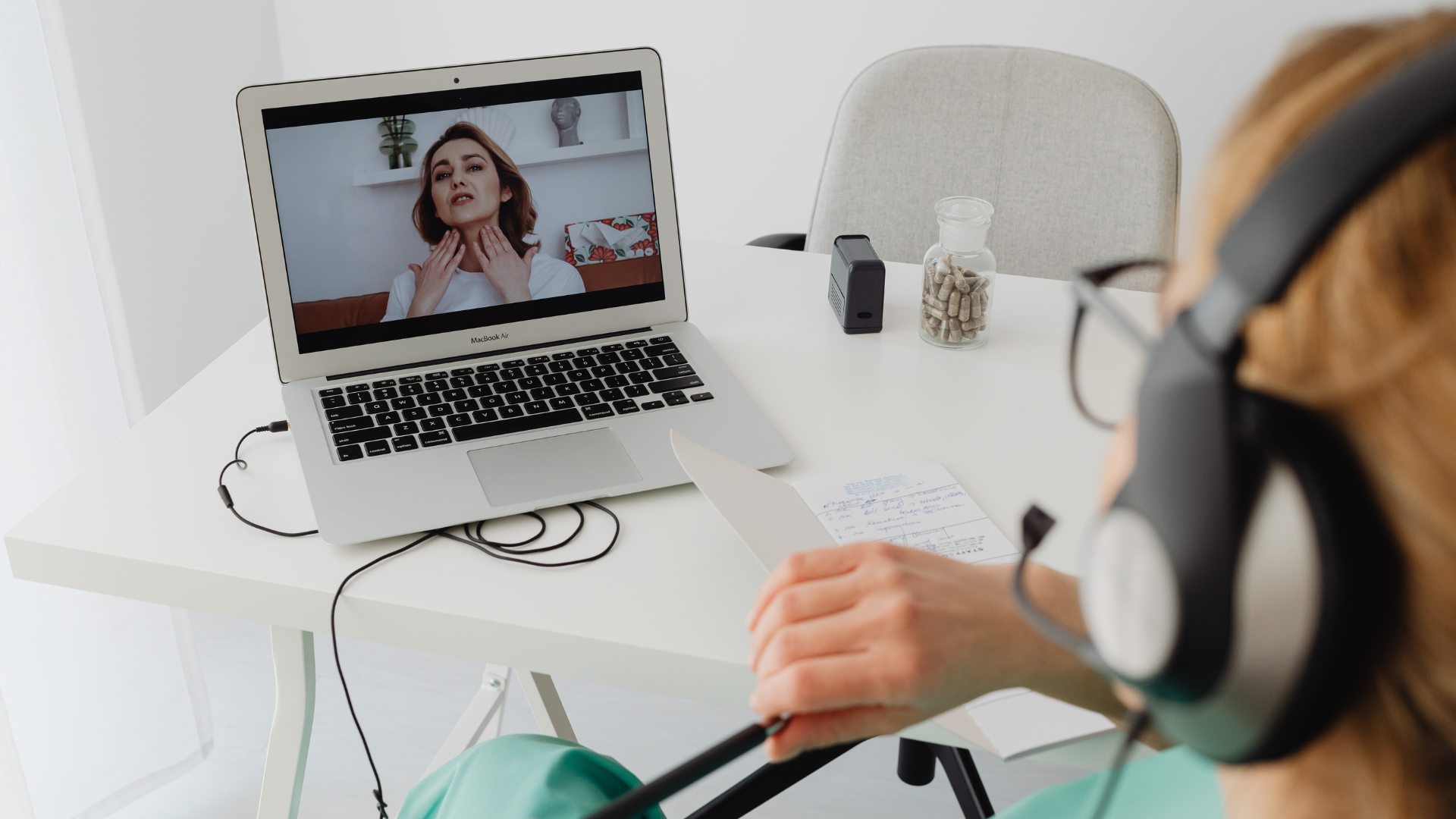
Access to oral medicine specialists is still limited in many regions, especially outside major cities. As digital health continues to grow, teledentistry—the use of digital images and online consultations—has emerged as a promising solution. But an important question remains: How accurate is diagnosis when specialists rely only on images instead of direct clinical examination?
A recent study from Chile explores this issue by comparing how well oral medicine specialists and general dental practitioners diagnose oral mucosal lesions using digital photographs alone.
Why Early and Accurate Diagnosis Matters
Lesions of the oral mucosa range from harmless conditions, such as mucoceles or irritative fibromas, to oral cancer and potentially malignant disorders like leukoplakia. Early recognition is critical, as delayed diagnosis can significantly worsen outcomes.
Telediagnosis through e-consult platforms offers a way to speed up referrals and improve access to specialist care. However, its effectiveness depends on the diagnostic skills of the professionals interpreting the images.
What Did the Researchers Do?
The researchers conducted a cross-sectional analytic study involving:
20 oral medicine specialists registered nationally in Chile
20 general dental practitioners working in primary health care
Each participant reviewed 33 real clinical cases of oral mucosal lesions using digital images and brief clinical histories. They were asked to provide up to two diagnostic hypotheses per case.
The diagnoses were then compared with a gold standard, based on histopathology reports or expert clinical diagnosis. The researchers evaluated:
The proportion of correct diagnoses
Diagnostic accuracy, measured through sensitivity and specificity, particularly for oral cancer and potentially malignant disorders
Key Findings: Specialists Perform Better
The results showed a clear difference between the two groups:
Overall diagnostic accuracy
Oral medicine specialists: 86.5%
General dental practitioners: 49.2%
Detection of oral cancer and potentially malignant disorders
Specialists demonstrated higher sensitivity (88.6%) and specificity (85.8%)
General dental practitioners showed lower sensitivity (59.3%) and specificity (46.5%)
In several cases—such as squamous cell carcinoma, leukoplakia, and actinic cheilitis—all specialists correctly identified the lesion, highlighting their expertise even when working remotely.
Importantly, specialists maintained strong performance regardless of their years of clinical experience, while general practitioners showed more variability.
What Do These Results Mean?
The study confirms that oral medicine specialists can reliably provide diagnostic guidance through teledentistry, making e-consult services a valuable tool—especially in regions with limited access to specialists.
However, the authors also emphasize that telediagnosis is not a replacement for face-to-face care. Physical examination, palpation, and direct patient interaction remain essential components of oral medicine.
Instead, telediagnosis works best as a triage and support system, helping ensure faster referrals, better prioritization of cases, and improved access to expert opinion.
Conclusion: A Promising Tool with Clear Limits
This study provides strong evidence that teledentistry, when used by trained oral medicine specialists, can significantly enhance diagnostic accuracy for oral mucosal lesions. While general dental practitioners play a crucial role in initial patient care, specialist-led telediagnosis can bridge gaps in access and improve early detection—particularly for serious conditions like oral cancer.
As digital health continues to expand, integrating telediagnosis thoughtfully into routine dental care could help bring specialized oral health services closer to patients who need them most.
Original Article Reference
Morales-Gómez C, Ojeda-Uribe G, Adorno-Farías D, Maturana-Ramirez A, Espinoza-Santander I.
Telediagnosis performance of specialists in oral medicine and general dental practitioner using images of oral mucosa lesions in Chile.
Medicina Oral, Patología Oral y Cirugía Bucal. 2025;30(1):e49–55.
DOI: 10.4317/medoral.26825