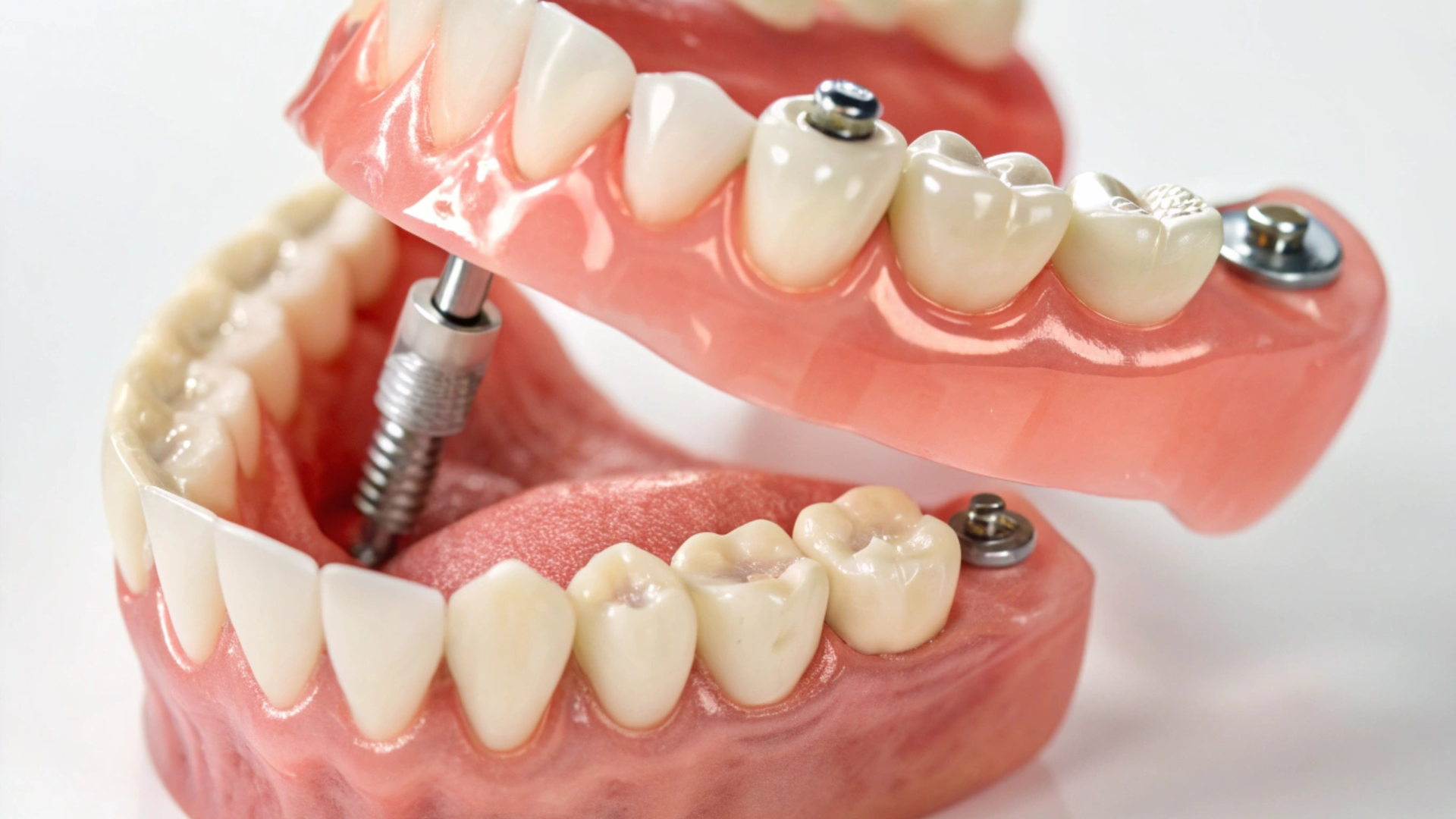
Can Failed Dental Implants Be Replaced Successfully?
New Evidence Offers Hope After Peri-Implantitis
Dental implants are widely considered a reliable solution for replacing missing teeth. However, like any medical treatment, they are not free from complications. One of the most challenging problems is peri-implantitis an inflammatory condition that damages the bone and tissue around dental implants and can ultimately cause implant failure.
When an implant fails due to peri-implantitis, dentists and patients face a difficult question: Is it safe to place a new implant in the same area? A study published in International Journal of Implant Dentistry provides encouraging answers.
Understanding the Problem: When Implants Fail
Peri-implantitis is one of the most common long-term complications in implant dentistry. It can affect up to 20% of patients and 30% of implants, leading to bone loss and, in severe cases, implant removal.
Once an implant is removed, the surrounding bone is often compromised, making re-implantation technically challenging and potentially risky. Until now, scientific evidence on the outcomes of replacing implants specifically lost due to peri-implantitis has been limited.
What Did the Researchers Do?
Researchers led by Eduardo Anitua conducted a retrospective clinical study to evaluate the outcomes of dental implants placed in the same region where previous implants had failed because of peri-implantitis.
The study reviewed data from 146 patients who received 381 dental implants between 2010 and 2019. These replacement implants were placed either:
Immediately, during the same surgical session as implant removal, or
After a healing period, several months later.
The researchers assessed three main outcomes:
Implant survival (whether the implant remained functional),
Marginal bone stability (changes in bone level around the implant), and
Technical complications related to the prosthesis.
Key Findings: High Survival and Stable Bone
After an average follow-up of nearly three years, the results were striking:
99% implant survival rate, with only two implants failing
Minimal bone loss, averaging just −0.1 mm
98% of implants showed optimal health, based on international success criteria
Importantly, the timing of implant placement immediate versus delayed did not affect survival rates or bone stability. This suggests that, when properly managed, both approaches can be clinically successful.
Prosthetic complications were rare and minor, including occasional ceramic chipping or screw loosening.
Why This Matters for Clinical Practice
These findings suggest that replacing failed implants due to peri-implantitis is a viable and predictable treatment option. Removing the infected implant, thoroughly cleaning the site, and carefully planning the replacement may significantly reduce bacterial load and improve healing conditions.
For clinicians, this study provides reassurance that implant failure does not necessarily mean the end of implant therapy for a patient. For patients, it offers hope that even after complications, long-term oral rehabilitation is still achievable.
Final Takeaway
Dental implants placed in areas previously affected by peri-implantitis can achieve excellent survival rates and stable bone conditions when appropriately managed. While further prospective studies are needed, this research supports implant replacement as a realistic solution rather than a last resort.
Original Article Reference
Anitua E, Montalvillo A, Eguia A, Alkhraisat MH.
Clinical outcomes of dental implants placed in the same region where previous implants failed due to peri-implantitis: a retrospective study.
International Journal of Implant Dentistry. 2021;7:109.
DOI: 10.1186/s40729-021-00392-1