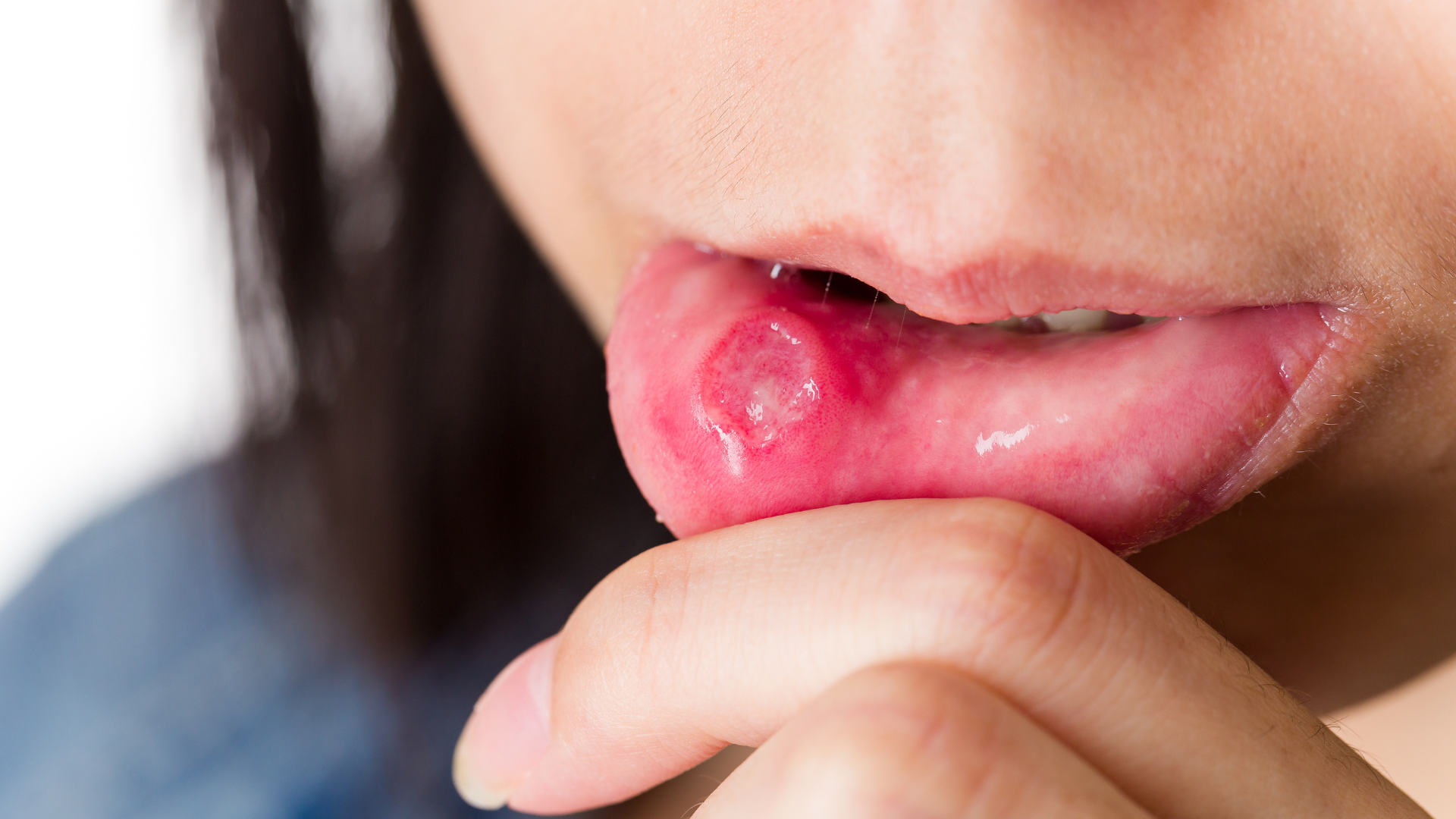
Can Better Sleep Really Prevent Mouth Ulcers? Genetic Evidence Says Yes
Why Mouth Ulcers Are More Than Just a Minor Annoyance
Mouth ulcers are one of the most common oral health problems worldwide, affecting nearly one in five people. While they often heal on their own, recurring ulcers can significantly reduce quality of life causing pain, difficulty eating, and daily discomfort. Despite their prevalence, the exact causes of mouth ulcers remain unclear and are thought to involve a mix of local irritation, systemic conditions, stress, and immune responses.
In recent years, sleep quality has emerged as a potential factor influencing oral health. However, previous studies have produced mixed results, leaving one key question unanswered: does poor sleep actually cause mouth ulcers, or is the relationship merely coincidental?
Looking Beyond Correlation: Why Sleep Matters
Sleep plays a fundamental role in regulating immunity, inflammation, and tissue repair all processes closely linked to oral health. Observational studies have suggested that people with shorter sleep duration or insomnia are more likely to experience oral problems such as toothache, gum inflammation, and ulcers.
Yet observational research has an important limitation: it cannot easily determine cause and effect. Stress, lifestyle, or underlying diseases may influence both sleep and oral health at the same time, making conclusions uncertain.
What Did the Researchers Do Differently?
To overcome these limitations, Liu and colleagues used a powerful genetic approach called Mendelian randomization. This method leverages naturally occurring genetic variations related to sleep patterns to explore whether sleep quality has a causal effect on oral diseases.
Using data from large genome-wide association studies (GWAS) involving hundreds of thousands of participants, the researchers examined:
Sleep duration
Insomnia
Three oral conditions: mouth ulcers, periodontal disease, and oral cavity cancer
Because genetic traits are assigned at birth, this method helps minimize bias from lifestyle or environmental factors.
Key Findings: Sleep Duration and Mouth Ulcers
The results were striking:
Longer sleep duration was associated with a significantly lower risk of mouth ulcers.
Each genetically predicted increase in sleep duration reduced the risk of mouth ulcers by about 33%.
Insomnia showed the opposite trend, being linked to a higher risk of mouth ulcers, although this association was weaker.
Importantly, the study found no clear causal relationship between sleep quality and periodontal disease or oral cavity cancer.
Why Might Sleep Protect Against Mouth Ulcers?
The authors suggest several biological explanations:
Poor sleep can increase inflammation and oxidative stress, both known contributors to oral mucosal damage.
Sleep deprivation may disrupt immune regulation, increasing vulnerability to ulcer formation and slowing healing.
Chronic insomnia is often linked to stress and fatigue, which can further weaken oral tissue defenses.
Together, these mechanisms provide a plausible explanation for why adequate sleep helps protect the oral lining.
What This Means for Everyday Health
This study provides strong genetic evidence that getting enough sleep is not just good for overall health it may also protect your mouth. While brushing, flossing, and regular dental visits remain essential, sleep quality deserves more attention in oral health prevention strategies.
For individuals prone to recurrent mouth ulcers, improving sleep habits may be a simple yet effective preventive measure.
Final Takeaway
Good sleep is more than rest it may be a protective factor against painful mouth ulcers. By showing a causal link rather than a simple association, this research highlights sleep quality as an important and often overlooked component of oral health.
Original Article Reference
Liu Q, Wang J, Liu T, Zeng X, Zhang X.
Identification of the causal relationship between sleep quality, insomnia, and oral ulcers.
BMC Oral Health. 2023;23:754.
DOI: https://doi.org/10.1186/s12903-023-03417-w