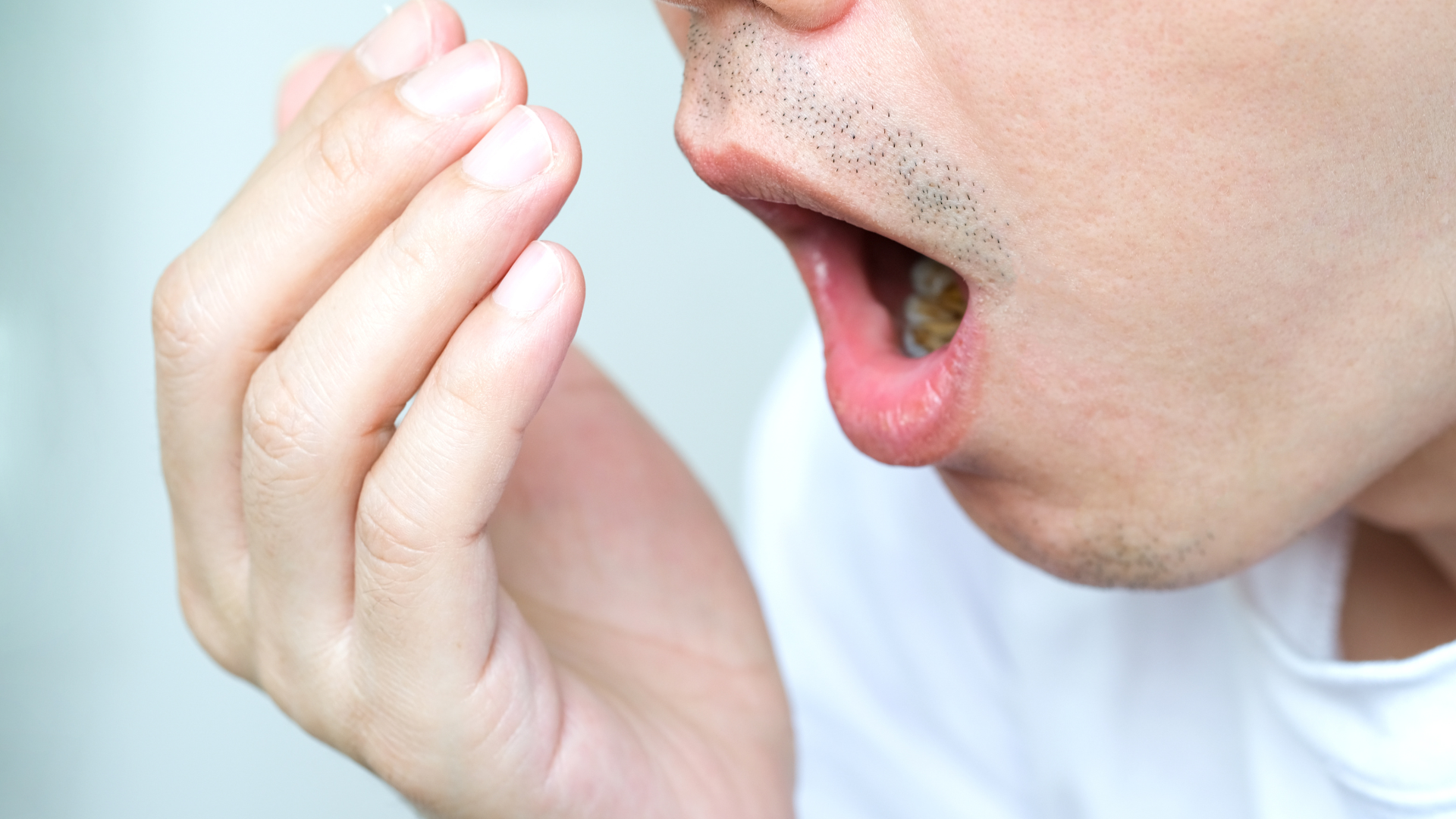
Braces, Bad Breath, and Confidence: How Toothbrush Choice Shapes Quality of Life in Young Orthodontic Patients
A closer look at how everyday oral hygiene tools influence halitosis and well-being during orthodontic treatment
Why Bad Breath Matters During Orthodontic Treatment
For teenagers and young adults wearing braces, straightening teeth is often just one part of the journey. Fixed orthodontic appliances can trap plaque and food debris, creating an ideal environment for bacteria that cause halitosis, or chronic bad breath. Beyond oral health, halitosis can affect self-confidence, social interactions, and overall quality of life—especially during a life stage where peer relationships matter deeply.
Recognizing this challenge, researchers from Romania set out to explore a simple but important question: can everyday oral hygiene choices—like the type of toothbrush or mouthwash—make a real difference for orthodontic patients?
What the Researchers Studied
The study involved 174 adolescents and young adults undergoing or recently completing fixed orthodontic treatment. Participants were grouped based on the type of toothbrush they routinely used:
Traditional manual toothbrush
Rotative electric toothbrush
Sonic toothbrush
To capture both clinical and personal impacts, the researchers combined:
A clinical smell assessment (organoleptic test),
The Halitosis-Associated Life Quality Test (HALT), and
The widely used SF-36 quality-of-life questionnaire.
They also examined the role of mouthwash use, comparing chlorhexidine-based, essential oil-based, and fluoride-based rinses, as well as differences between patients still wearing braces and those who had recently finished treatment.
Key Findings: Small Tools, Big Differences
The results revealed a clear and consistent pattern.
1. Sonic toothbrush users reported the least impact from bad breath
Patients using sonic toothbrushes had the lowest halitosis-related quality-of-life scores, meaning they felt less bothered emotionally, socially, and functionally by bad breath. In contrast, manual toothbrush users reported the highest burden.
2. Better brushing meant better confidence
Lower halitosis scores were closely linked to higher social functioning and mental well-being. In other words, fresher breath translated into greater comfort in social situations.
3. Mouthwash made a measurable difference
Participants who regularly used mouthwash experienced:
Less clinically detected malodor,
Lower halitosis-related distress, and
Better social quality-of-life scores.
Among mouthwashes, chlorhexidine-based rinses showed the strongest benefits, followed by essential oil-based products.
4. Life improves after braces—but habits still matter
Patients who had already removed their braces generally showed less bad breath and better social confidence. However, some still experienced halitosis, highlighting that good oral hygiene remains essential even after orthodontic treatment ends.
Why These Results Are Important
This study reinforces that halitosis is not just a cosmetic issue—it has real psychological and social consequences. Importantly, the findings suggest that relatively simple changes, such as switching to a more effective toothbrush or using an appropriate mouthwash, can meaningfully improve daily life for orthodontic patients.
For clinicians, the message is clear: oral hygiene recommendations should go beyond cavity prevention and address patient comfort, confidence, and quality of life.
The Takeaway
For young people wearing braces, the choice of toothbrush and mouthwash can influence more than just plaque levels. Sonic toothbrushes and chlorhexidine-based mouthwashes were associated with fresher breath and better quality of life, particularly in social and emotional domains.
While further long-term studies are needed, this research highlights how small, practical interventions can make orthodontic treatment a more positive experience—both clinically and personally.
Original Article Reference
Musa, H., Pașca, I.G., Popa, M., et al. (2025).
Halitosis and Quality of Life in Young Orthodontic Patients: A Cross-Sectional Assessment of Mouthwash Use and Traditional, Rotative, and Sonic Toothbrushes.
Medicina, 61(5), 815.
DOI: https://doi.org/10.3390/medicina61050815