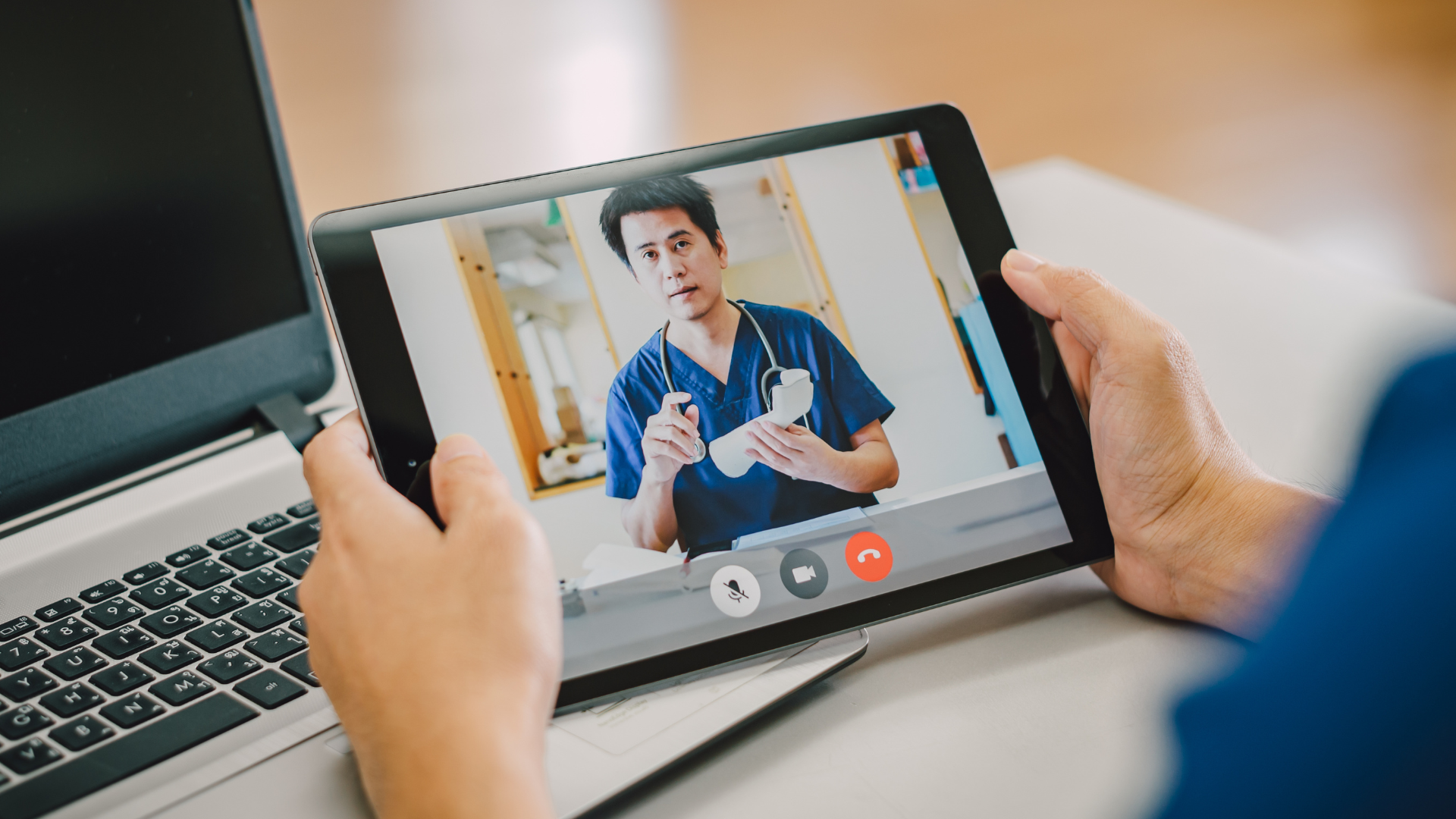
Beyond the Screen: How Teledentistry Is Really Being Used After the Pandemic
What Happens to Teledentistry When COVID-19 Is Over?
During the COVID-19 pandemic, teledentistry quickly moved from a “nice-to-have” innovation to a critical solution. Dental clinics closed, in-person visits were restricted, and virtual care became the safest way to connect patients with oral health professionals.
But what happens after the pandemic?
Do dentists continue using teledentistry and if so, how and why?
A recent mixed-methods study published in the Journal of Public Health Dentistry explores exactly that question by examining real-world teledentistry use among oral health professionals in Oregon, USA.
Why Teledentistry Matters for Access to Care
Access to dental care has long been shaped by cost, workforce shortages, geography, and social barriers. Teledentistry delivering dental services through digital communication has been promoted as a way to reach underserved populations, reduce delays, and improve efficiency.
Teledentistry generally falls into two categories:
Synchronous teledentistry: real-time communication via video or audio (phone)
Asynchronous teledentistry: “store-and-forward” care, where patient data are collected first and reviewed later by a dentist
While many policymakers and technology advocates emphasize video-based care, this study asks a critical question: what types of teledentistry do providers actually use in daily practice?
What the Researchers Did
The research team conducted a mixed-methods case study involving:
Quantitative analysis of 78,756 teledentistry claims recorded in electronic health records between January 2021 and November 2022
Qualitative interviews with 13 oral health professionals, including dentists, dental hygienists, expanded practice dental hygienists (EPDHs), and support staff
All data came from a large Dental Support Organization (DSO) operating 50 clinics across Oregon, serving both Medicaid and privately insured patients.
This approach allowed researchers not only to measure how often teledentistry was used, but also to understand why providers chose certain delivery methods.
What They Found: Audio Comes First
One of the most striking findings was the dominance of synchronous audio (telephone-based) teledentistry.
Across nearly 80,000 teledentistry encounters:
75.7% used synchronous audio
13.4% used synchronous video
10.9% used asynchronous methods
Even more interesting, audio-based visits increased over time, while video and asynchronous visits declined.
Providers reported that audio visits were often chosen because:
Patients lacked reliable internet or digital skills
Video platforms were difficult to access
Phone calls allowed faster triage and decision-making
In many cases, audio calls were supplemented with patient-submitted photos, offering enough information to guide urgent care decisions.
Who Used Teledentistry and How
The study also revealed clear patterns in teledentistry use:
Adults aged 19–64 were far more likely to receive synchronous care than children
Older adults (65+) were significantly less likely to use video-based teledentistry
Patients identifying as Hispanic/Latino had lower odds of receiving synchronous care compared to White patients
Dentists primarily used synchronous care for emergency and urgent cases
Dental hygienists mainly used teledentistry for routine care and education
These findings highlight how technology access, age, and social factors influence the type of care patients receive.
Teledentistry Beyond the Clinic
Teledentistry also played an important role in community outreach, particularly for Medicaid recipients and children.
More than 7,500 patients received synchronous audio teledentistry through outreach programs, primarily for:
Caries risk assessment
Oral hygiene instruction
Nutritional counseling
Notably, over 70% of children assessed were classified as high caries risk, underscoring teledentistry’s potential as a preventive public health tool.
What Providers Say: Flexible, Useful but Challenging
Interviews with oral health professionals revealed strong support for teledentistry but also real frustrations.
What worked well:
Faster access for patients in pain
Better triage of emergencies
Reduced burden on understaffed clinics
Opportunities for older or semi-retired dentists to continue working remotely
Key challenges included:
Limited training on teledentistry platforms
Workflow gaps between clinics and remote providers
Difficulty obtaining patient consent and documentation
Uncertainty around reimbursement, especially for audio-only visits
Many providers stressed that removing audio-only reimbursement would disproportionately affect rural, elderly, and underserved populations.
Why This Study Matters for Policy
This research challenges the assumption that video-based care is always superior. While video may look more like a traditional dental visit, audio-based teledentistry proved to be the most practical, inclusive, and widely used option.
The authors argue that teledentistry policies must:
Recognize real-world clinical workflows
Support multiple delivery methods
Prioritize equity and access over technological idealism
Without flexible regulations and reimbursement models, teledentistry risks becoming another barrier rather than a bridge to care.
The Bottom Line
Teledentistry is no longer just a pandemic solution it is part of modern dental care.
But its success depends on how well policy aligns with practice.
This study shows that:
Audio-based teledentistry is essential, not inferior
Providers need flexibility, training, and fair reimbursement
Inclusive digital health policies are critical for reducing oral health disparities
As teledentistry continues to evolve, listening to the experiences of frontline oral health professionals may be just as important as investing in new technology.
Original Article Reference
Schroeder K, Santoro M, Tranby EP, Heaton L, Ludwig S, Martin P, Raskin SE.
Teledentistry utilization by oral health professionals and policy considerations: A mixed methods case study.
Journal of Public Health Dentistry. 2024;84:393–406.
DOI: 10.1111/jphd.12640