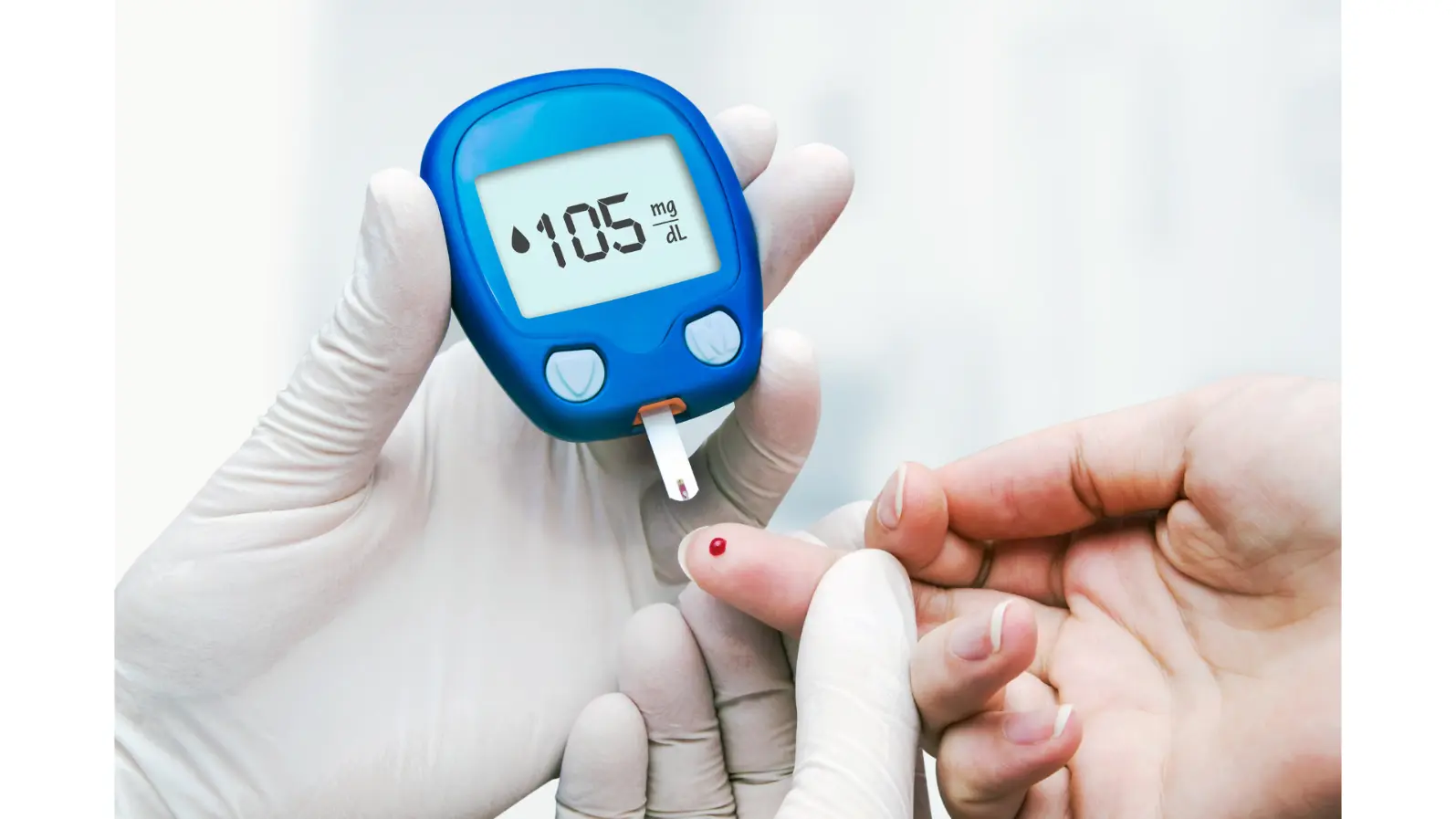
Better Blood Sugar, Healthier Gums: How Diabetes Treatment Can Also Heal the Mouth
The Hidden Connection Between Diabetes and Gum Health
It’s long been known that diabetes and gum disease (periodontitis) are closely linked each can worsen the other. People with poorly controlled diabetes are more likely to develop severe gum inflammation, tooth loss, and oral infections. But can improving blood sugar levels alone without any dental cleaning or treatment actually help heal the gums?
A research team from Osaka University, Japan, sought to find out. Their recent study, published in Diabetes, Obesity and Metabolism (2024), explored whether short-term intensive control of blood glucose could improve periodontal health in patients with type 2 diabetes.
Testing the Effect of Glycaemic Control on the Gums
The researchers recruited 29 adults with type 2 diabetes, all of whom had moderate gum disease. Each patient was hospitalized for two weeks to receive a comprehensive diabetes management plan aimed at stabilizing blood sugar including dietary control, insulin regulation, and other standard medical care.
Importantly, no dental treatment or oral hygiene instruction was given during this period, allowing scientists to isolate the effects of blood sugar control itself.
The team measured both systemic indicators (like HbA1c, fasting glucose, and C-peptide levels) and oral health parameters, including the periodontal inflamed surface area (PISA) a metric that quantifies the total area of gum tissue affected by inflammation.
Blood Sugar Down, Gum Health Up
After just two weeks, the participants showed notable improvements:
Blood sugar markers (HbA1c and glycated albumin) dropped significantly.
Gum health parameters, such as bleeding on probing, pocket depth, and PISA, also improved.
Surprisingly, these improvements occurred without any brushing instruction or periodontal cleaning, suggesting that better metabolic control alone can reduce gum inflammation.
However, not all participants responded equally. When the researchers divided the group based on periodontal improvement, they discovered two distinct patterns:
A “PISA-improved” group, whose gum inflammation reduced substantially.
A “PISA-non-improved” group, whose gums showed little change.
Why Some Gums Heal Better Than Others
Those who didn’t respond as well tended to have lower insulin secretion (C-peptide levels) and signs of nerve and vascular dysfunction, such as reduced heart rate variability (CVRR) and poorer ankle-brachial pressure index (ABI).
These findings suggest that people with long-standing or advanced diabetic complications may have limited ability to heal periodontal tissue, even when blood sugar improves. Damage to blood vessels and nerves as well as accumulation of advanced glycation end-products (AGEs) might slow tissue repair and inflammatory recovery.
Beyond the Mouth: Systemic Health Reflected in the Gums
Interestingly, the study found correlations between improved gum inflammation and changes in ketone bodies like acetoacetic acid and beta-hydroxybutyrate. These compounds, linked to energy metabolism, may play a role in how the body regulates inflammation during diabetes treatment.
The results reinforce that the mouth mirrors metabolic health: when blood sugar and vascular function improve, so can gum health.
What This Means for Patients
This study offers encouraging news for people with diabetes. Effective blood sugar management even in a short time can benefit not only the heart, kidneys, and eyes but also the gums and teeth.
However, for patients with advanced diabetic complications, combining metabolic therapy and periodontal care may be necessary for full oral recovery. The researchers emphasize that close collaboration between physicians and dentists should start early in diabetes management to prevent irreversible gum damage.
Reference
Inoue, M., Sakanaka, A., Katakami, N., et al. (2024). Periodontal tissue susceptibility to glycaemic control in type 2 diabetes. Diabetes, Obesity and Metabolism, 26(10), 4684–4693.
DOI: 10.1111/dom.15835