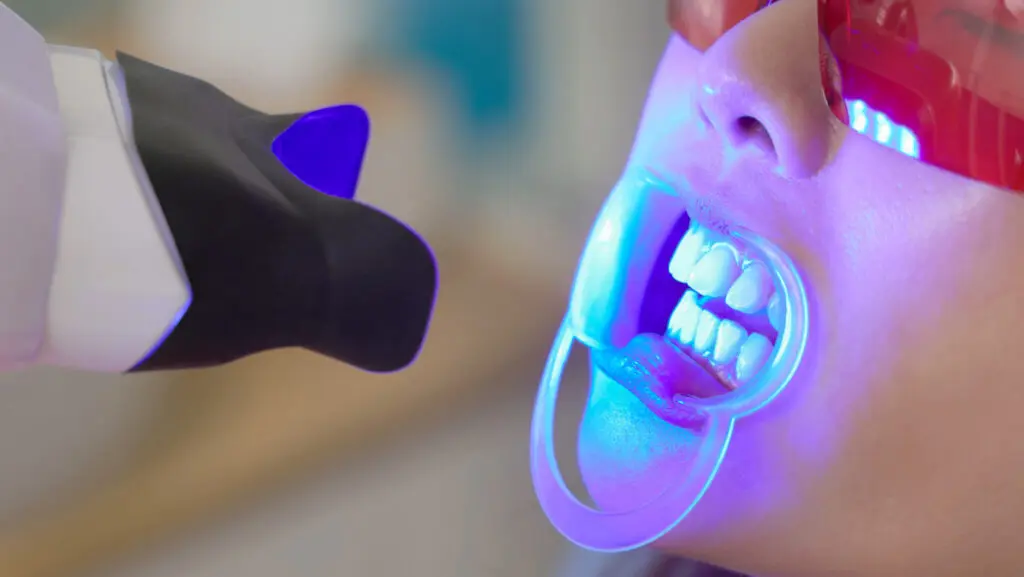
Undercover Investigation Uncovers Dangerous Underground Teeth Whitening Market in the UK
A shocking undercover investigation by the BBC has exposed a thriving illegal teeth-whitening industry in the United Kingdom, where unqualified practitioners are using potentially dangerous bleaching products that far exceed legal safety limits—and one reporter even obtained a fake qualification to expose the system.
The Investigation: Going Undercover
BBC investigators infiltrated the underground teeth-whitening market, documenting serious regulatory violations across multiple fronts. What they discovered was alarming: bleaching gels being sold through social media platforms and delivered in car parks or directly to customers' homes, containing hydrogen peroxide concentrations reaching up to 53%—nearly nine times higher than the maximum legal limit for professional dental use.
Perhaps most disturbing, one BBC reporter successfully obtained a fraudulent teeth-whitening qualification, highlighting just how easy it is for unqualified individuals to position themselves as legitimate practitioners in this unregulated market.
UK Legal Framework: What's Allowed and What's Not
Under United Kingdom regulations, teeth-whitening services are strictly controlled:
Legal Requirements:
- Only dental professionals registered with the General Dental Council (GDC) may administer whitening products containing more than 0.1% hydrogen peroxide
- In-office treatments provided by qualified dentists are restricted to a maximum of 6% hydrogen peroxide
- Products below 0.1% can be sold over-the-counter
What the Investigation Found:
- Hydrogen peroxide concentrations up to 53%
- Non-dental practitioners offering services
- Products sold and administered without proper oversight
- Treatments performed in beauty salons, homes, and makeshift locations
The Human Cost
The British Dental Association (BDA) condemned the findings as "appalling," warning that unregulated whitening procedures can cause severe damage to oral tissues.
The investigation documented real-world consequences. In one particularly tragic case, a woman reported losing four teeth after paying just £65 (approximately C$115 or US$80) for a whitening session at a beauty salon. This stark example illustrates how what seems like a bargain cosmetic treatment can result in permanent dental damage and significant long-term costs.
Health Risks of Illegal Whitening
Dental professionals warn that improperly administered teeth-whitening treatments can cause:
Immediate Damage:
- Chemical burns to gums and oral mucosa
- Severe tooth sensitivity
- Enamel erosion
- Soft tissue damage and ulceration
Long-term Consequences:
- Permanent tooth loss
- Chronic sensitivity
- Increased susceptibility to decay
- Irreversible gum recession
- Need for expensive restorative treatment
High-concentration hydrogen peroxide products are particularly dangerous when applied by untrained individuals who lack understanding of:
- Proper application techniques
- Gingival protection protocols
- Individual risk assessment
- Management of adverse reactions
- Appropriate treatment duration
The Booming Global Market
The illegal whitening trade exists against a backdrop of explosive growth in the legitimate teeth-whitening market, driven by increasing consumer demand for aesthetic dental treatments.
Market Size and Projections:
According to Grand View Research:
- 2021 Global Market: US$6.9 billion
- 2023 Market Value: US$7.58 billion
- 2030 Projection: US$10.68 billion
- Growth Rate: 5.0% compound annual growth rate (CAGR) from 2022-2030
North American Market Specifically:
- 2023 Value: US$2.88 billion
- 2030 Projection: US$4.15 billion
- Growth Rate: 5.4% CAGR
- Key Drivers: Increased aesthetic focus and new whitening technologies
The Pandemic Effect
Fortune Business Insights noted that the COVID-19 pandemic paradoxically fueled demand for at-home whitening products as people focused more on self-care and personal grooming during lockdowns.
The British Dental Association's 2020 report "Oral Care During the Pandemic" documented dramatic increases in DIY dental product sales:
- At-home kits for dental fillings and crowns surged by nearly 87% in the UK during 2020
This trend created opportunities for both legitimate and illegitimate market players, with unscrupulous operators exploiting consumer demand and limited access to professional dental services.
A Pattern of Illegal Dental Practices
The BBC investigation is part of a broader pattern of illegal dental practices being exposed globally:
Recent Cases:
- Florida: A fake dentist arrested for applying veneers with super glue
- Czech Republic: Police detained an entire family practicing as "fake dentists" who learned procedures from online videos
- New York: Unlicensed "dentist" arrested after multiple patients suffered serious injuries
These cases highlight a disturbing trend of unqualified individuals performing complex dental procedures with potentially devastating consequences for patients.
Social Media: The New Marketplace
A significant finding of the investigation was the role of social media platforms in facilitating illegal teeth-whitening services:
How It Works:
- Practitioners advertise on Instagram, Facebook, and TikTok
- Direct messaging arranges appointments
- Products delivered to car parks, homes, or non-clinical locations
- Cash payments avoid paper trails
- No regulatory oversight or accountability
This digital marketplace makes it difficult for authorities to monitor and regulate the industry effectively, allowing unqualified practitioners to reach large audiences while evading enforcement.
Canadian Context
Regulations differ in Canada, where oversight varies by province:
The Royal College of Dental Surgeons of Ontario (RCDSO) classifies whitening agents as cosmetics unless they contain fluoride. While there's no specific prohibition on sales, Health Canada requires special labeling for formulations containing:
- More than 3% hydrogen peroxide
- More than 10% carbamide peroxide
This regulatory approach differs significantly from the UK's stricter controls on who can administer whitening treatments.
Red Flags: Identifying Illegal Operators
Consumers should be wary of:
Warning Signs:
- Treatments offered significantly below professional dental pricing
- Services provided in beauty salons, homes, or non-clinical settings
- Practitioners who cannot provide verifiable GDC registration (UK) or dental licensing
- Products sold without proper labeling or ingredient disclosure
- Extremely high concentration claims
- Social media-only presence with no verifiable business location
- Refusal to provide written consent forms or treatment records
- Pressure to pay cash or avoid documentation
BDA Response and Industry Concerns
The British Dental Association's strong condemnation reflects serious concerns within the dental profession about patient safety and professional standards.
BDA representatives emphasized that teeth whitening is not merely a cosmetic service but a dental procedure that requires:
- Proper oral health assessment before treatment
- Understanding of individual risk factors
- Appropriate concentration selection
- Professional monitoring during treatment
- Management of complications
- Follow-up care
What Consumers Should Know
Legitimate Professional Whitening:
- Performed or supervised by GDC-registered dental professionals (UK)
- Uses concentrations up to 6% hydrogen peroxide maximum
- Includes pre-treatment dental examination
- Provides proper gingival protection
- Offers emergency support if complications arise
- Documents treatment in patient records
Protect Yourself:
- Always verify practitioner credentials
- Ask for GDC registration number (UK) and verify online
- Insist on treatment in a proper dental clinic
- Request written information about products and concentrations
- Obtain written consent forms
- Report suspected illegal activity to the GDC or local authorities
Regulatory Challenges
The investigation highlights significant enforcement challenges:
Enforcement Gaps:
- Social media platforms span multiple jurisdictions
- Mobile practitioners avoid fixed locations
- Cash transactions leave no audit trail
- Consumer complaints often go unreported
- Penalties may be insufficient deterrent
- Limited regulatory resources for monitoring
Potential Solutions:
- Increased platform responsibility for marketplace activity
- Public awareness campaigns about risks
- Enhanced penalties for illegal practice
- Better coordination between regulatory bodies
- Simplified reporting mechanisms for consumers
The Broader Implications
This investigation raises important questions about:
- Consumer Protection: How can regulators keep pace with digital marketplaces?
- Professional Boundaries: What distinguishes legitimate cosmetic services from dental procedures?
- Platform Responsibility: Should social media companies bear liability for illegal services advertised on their platforms?
- Public Education: How can consumers be better informed about risks?
- Enforcement Resources: Are regulators adequately funded to address these challenges?
Moving Forward
The BBC's undercover work serves as a wake-up call for consumers, regulators, and legitimate dental professionals. While the teeth-whitening market continues to grow, so too does the shadow economy of unqualified practitioners putting patients at risk for profit.
For Consumers: The message is clear—if a teeth-whitening deal seems too good to be true, it probably is. The savings from cut-rate treatments can pale in comparison to the cost of repairing damage caused by improper procedures.
For Regulators: Enhanced monitoring, enforcement, and public education are essential to protect consumers in an increasingly digital marketplace.
For Dental Professionals: This investigation underscores the importance of educating patients about the risks of illegal treatments and the value of professional care.
Final Thoughts
Your oral health is too important to entrust to unqualified practitioners using dangerous products. While the appeal of convenient, affordable teeth whitening is understandable, the potential consequences of illegal treatments—from chemical burns to permanent tooth loss—far outweigh any perceived benefits.
When it comes to teeth whitening, the old adage holds true: you get what you pay for. And in this case, paying for professional care isn't just about aesthetics—it's about protecting your health.
References:
Original Article:
"BBC's under-cover investigation exposes 'appalling' illegal teeth-whitening trade"
Published on: Oral Health Group
Read the complete article: https://www.oralhealthgroup.com/dental-governance-regulations/bbcs-under-cover-investigation-exposes-appalling-illegal-teeth-whitening-trade-1003990970/