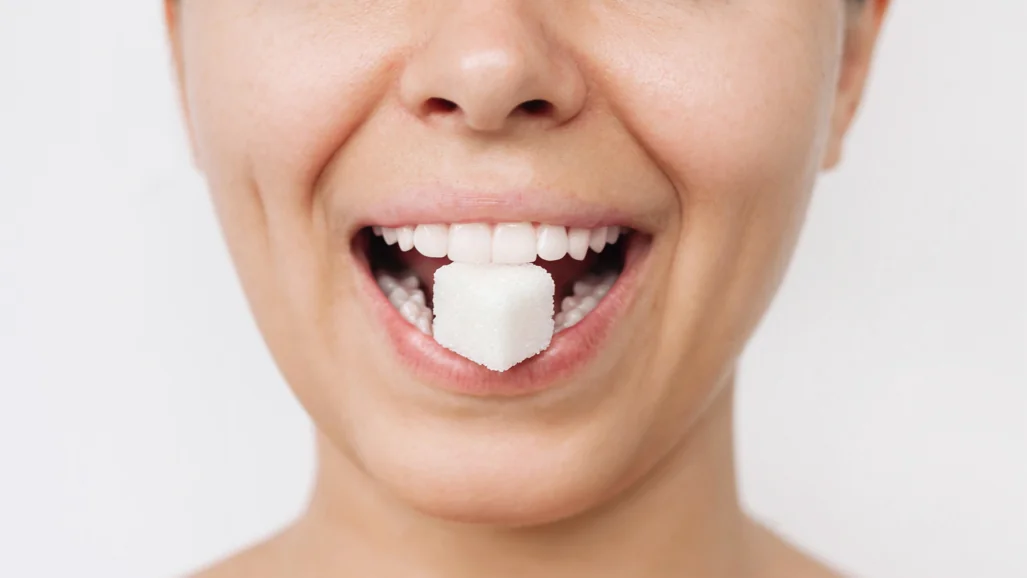
Sweet Saliva, Sour Teeth: How Type 2 Diabetes Rewires Your Oral Microbiome
The medical community has long recognized the link between Type 2 Diabetes (T2D) and gum disease, but new research is shedding light on a different threat: dental caries. A groundbreaking study suggests that elevated blood sugar levels in diabetic patients are mirrored in their saliva. This "sweetened" saliva acts as a constant fuel source for harmful bacteria, fundamentally shifting the oral biofilm toward an acidic, decay-prone environment.
The findings emphasize that for those living with diabetes, maintaining oral health is not just about preventing gingivitis—it’s about managing a biological shift that makes teeth significantly more vulnerable to cavities.
The Data: Measuring the "Sugar Shift" in the Mouth
The research tracked the relationship between glycemic control and oral microbial health, revealing several key data points:
Salivary Glucose Correlation: Patients with poorly managed Type 2 Diabetes exhibited significantly higher concentrations of glucose in their saliva compared to non-diabetic individuals.
Biofilm Dysbiosis: High sugar levels in the mouth triggered a "population explosion" of acid-producing bacteria, such as Streptococcus mutans and Lactobacilli.
pH Drop: The study noted that the resting pH of saliva in diabetic patients was consistently lower (more acidic), hovering near the critical threshold where tooth enamel begins to dissolve (demineralization).
Caries Prevalence: Diabetic participants showed a higher "Decayed, Missing, and Filled Teeth" (DMFT) index, particularly when their HbA1c levels were poorly controlled.
The Underlying Mechanism: From High Blood Sugar to Acidic Decay
The study explains how systemic metabolic issues translate into localized dental destruction through a specific biological pathway:
Sugar Secretion: When blood glucose is high, the salivary glands "leak" excess sugar into the mouth.
Bacterial Fermentation: Acidogenic (acid-making) bacteria consume this salivary sugar and ferment it, producing lactic acid as a byproduct.
The Biofilm Shift: In a healthy mouth, "good" bacteria keep the environment neutral. In a diabetic mouth, the constant sugar supply allows acid-loving bacteria to outcompete the healthy ones, a state known as dysbiosis.
Enamel Erosion: The constant acidic environment prevents saliva from performing its natural "remineralization" (repair) of the teeth, leading to rapid cavity formation.
Clinical and Patient Implications
This research provides a new roadmap for managing the oral health of diabetic patients:
Glycemic Control is Dental Care: Stabilizing blood sugar levels (HbA1c) is now recognized as a direct preventative measure against tooth decay, not just systemic complications.
Targeted Oral Hygiene: Diabetic patients should consider using specialized, non-alcohol-based mouthwashes that help neutralize acidity and promote a balanced microbiome.
Increased Professional Monitoring: Because the oral biofilm can shift rapidly, dentists may recommend quarterly cleanings (every three months) for diabetic patients rather than the standard twice-a-year visit.
Salivary Testing: Future dental check-ups may involve testing salivary glucose levels to provide real-time feedback on a patient's metabolic and dental risk status.
Original Article Details
Original Title: Type 2 diabetes may increase salivary sugars, shifting oral biofilms toward caries
Source: Dental Tribune
Publication Date: December 2025