Silent Conversations: Disrupting Bacterial Communication to Build a Better Oral Microbiome
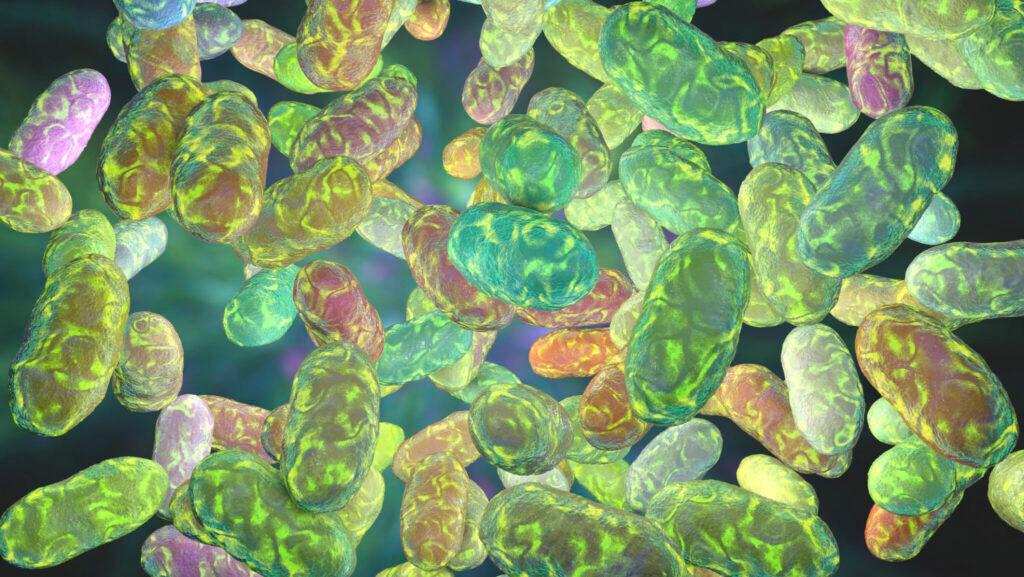
For decades, the standard approach to oral health was simple: "kill all bacteria." However, dental researchers are now pivoting toward a more sophisticated strategy. Instead of a "scorched-earth" approach that wipes out both harmful and beneficial microbes, scientists are targeting bacterial communication, a process known as quorum sensing. By "jamming" the signals that bacteria use to coordinate, researchers hope to prevent the formation of aggressive plaque without destroying the natural balance of the mouth.
This shift marks a new era in preventative dentistry—moving away from traditional antibiotics and toward "smart" therapies that shape a healthier, more resilient oral ecosystem.
The Data: The Science of Bacterial Socializing
Research into the social behavior of microbes has revealed why simply "killing" them is no longer the most effective answer:
Biofilm Strength: Bacteria in the mouth don't live in isolation; they build complex communities called biofilms. Within these structures, bacteria are up to 1,000 times more resistant to antibiotics and mouthwashes than individual bacteria.
Signal Jamming Success: Laboratory studies have shown that by introducing specific "inhibitor molecules," researchers can reduce the mass of harmful biofilms by over 60% without killing the bacteria themselves.
Preserving Diversity: Unlike traditional antiseptics, communication-disrupting treatments leave "good" bacteria intact, which helps maintain a diverse microbiome that naturally prevents the overgrowth of pathogens like Streptococcus mutans.
Resistance Reduction: Because these treatments don't threaten the survival of the bacteria, there is a significantly lower risk of bacteria developing the "superbug" mutations typically seen with antibiotic overuse.
The Underlying Mechanism: How Quorum Sensing Works
The secret to this "invisible war" lies in the way bacteria talk to each other to build their defenses:
Chemical Signals: Bacteria release small molecules called autoinducers. When the concentration of these molecules reaches a certain level (a "quorum"), the bacteria realize there are enough of them to start a "project," such as producing the sticky matrix that forms dental plaque.
Coordinated Attack: Once a quorum is reached, the bacteria change their behavior simultaneously—turning on genes that lead to tooth decay, gum inflammation, and bone loss.
The "Muzzle" Effect: Researchers are developing "quenching" agents—molecules that either degrade these chemical signals or block the receptors on the bacteria’s surface. This effectively "mutes" the conversation, leaving the bacteria unable to organize into a harmful biofilm.
Clinical and Future Implications
The ability to manipulate the oral microbiome without the use of harsh chemicals has profound implications for the future of dentistry:
Targeted Toothpastes and Rinses: We may soon see oral care products that contain quorum-sensing inhibitors tailored to block only specific "bad" signals, providing a more natural way to prevent cavities.
Combating Antibiotic Resistance: By managing bacteria rather than killing them, we reduce the global pressure of antimicrobial resistance (AMR), a major threat to modern medicine.
Personalized Microbiome Care: Future diagnostics may allow dentists to "listen in" on a patient's bacterial signals, identifying a high risk of gum disease before any physical damage even occurs.
Long-Term Systemic Health: A balanced oral microbiome is linked to lower risks of systemic issues like heart disease and diabetes, making these "communication blockers" a key tool for overall longevity.
Original Article Details
Original Title: Dental researchers target bacterial communication to shape healthier oral microbiomes
Source: Oral Health Group
Publication Date: December 2025