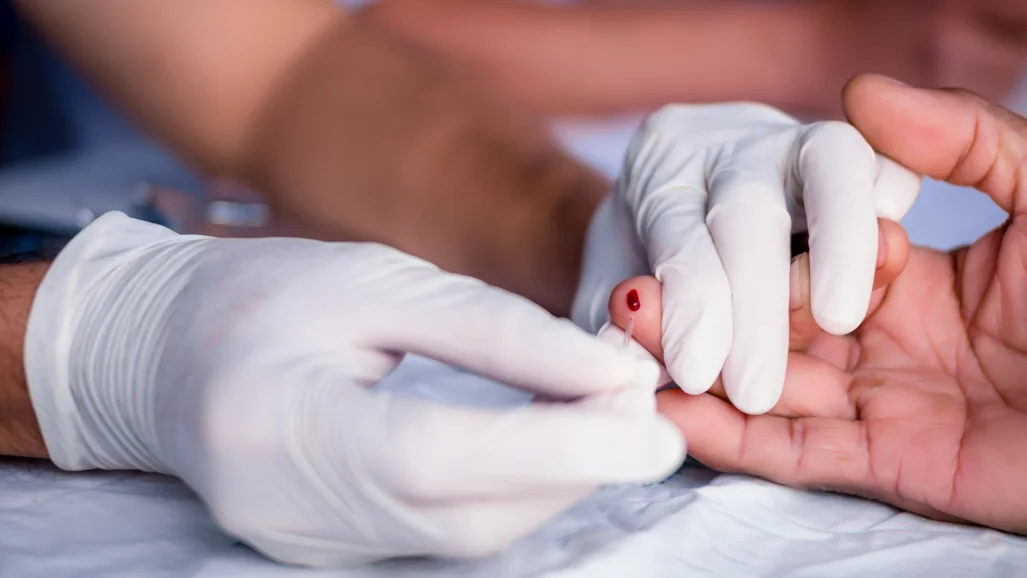
Public Health Initiative: Study Investigates Chairside HIV Testing in London Dental Clinics
A recent study investigated the feasibility and effectiveness of offering chairside HIV testing within dental clinics in London. The research aimed to determine if dental practices could serve as a valuable, non-traditional setting for HIV screening, thereby contributing to earlier diagnosis and improved public health outcomes, particularly among groups with typically low testing rates.
The findings have significant implications for integrating dental care into wider public health strategies, leveraging routine appointments to identify undiagnosed cases of the virus.
The Rationale for Dental Clinic Testing
The dental setting is uniquely positioned to offer HIV testing for several reasons:
High-Risk Patient Profile: Dentists frequently examine and treat oral manifestations of HIV infection, such as oral candidiasis, hairy leukoplakia, and Kaposi's sarcoma. This exposure makes dental professionals keenly aware of high-risk indicators.
Access to Undiagnosed Individuals: Many individuals who regularly visit the dentist may not frequently access primary care or sexual health clinics for HIV testing. The dental office provides an opportunity to reach these people.
Testing Simplicity: The study utilized rapid point-of-care testing (oral swab or finger prick), which is quick, non-invasive, and allows for immediate or near-immediate results.
Key Findings from the London Study
The study, implemented in various London dental clinics, assessed practical challenges, patient acceptance, and the yield of positive diagnoses:
Feasibility: Researchers found that integrating the testing workflow into busy dental schedules was practically feasible with appropriate staff training and defined protocols. Dental nurses and hygienists were often trained to administer the tests.
Patient Acceptance: Patient willingness to accept the offer of an HIV test was generally high, indicating that patients are receptive to screening when offered by a trusted healthcare provider like a dental professional.
Diagnosis Yield: While the number of new positive diagnoses might be lower than in dedicated testing centers, identifying even a small number of previously undiagnosed cases is crucial for public health, as it allows for prompt initiation of antiretroviral therapy and prevents further transmission.
Implications for Integration and Public Health
The research confirms that the dental chair can serve as a successful gateway to diagnosis and care. Establishing chairside HIV testing requires:
Robust Training: Dental teams must receive specific training on testing protocols, confidentiality, and referral pathways for newly diagnosed patients.
Strong Referral System: Immediate linkage to specialist care and support services is critical to ensure patients receive timely treatment and counseling.
The successful integration of HIV testing showcases how the dental profession can expand its role beyond oral health to actively participate in the management of systemic and infectious diseases.
Original Article Details
Original Title: Study Investigates Chairside HIV Testing in London Dental Clinics
Source: Dental Tribune
Publication Date: November 28, 2025