Leading the Charge: How 3D Printing is Revolutionizing Dental Prostheses
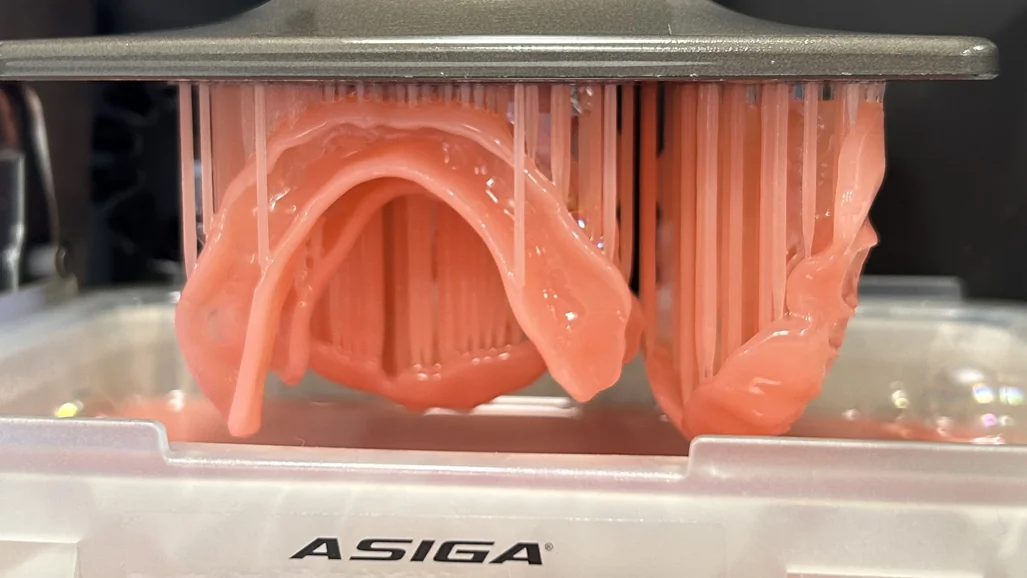
The field of removable dental prosthetics is undergoing a massive transformation, moving rapidly from traditional analog methods to fully digital workflows powered by additive manufacturing. An editorial by Tanya Little, a registered denturist, highlights how advanced 3D printing is dramatically streamlining the creation of dentures and other prosthetic solutions, offering unprecedented efficiency and superior patient outcomes.
This digital shift emphasizes the importance of integrating technology like intra-oral scanners and high-precision 3D printers into the laboratory setting, solidifying the role of digital dentistry in delivering faster, more accurate, and cost-effective care.
The Data: Efficiency, Speed, and Accuracy
The article, written from the perspective of a clinician specializing in dentures (complete, partial, immediate, and implant-supported), details the measurable advantages of switching to a 3D-printed workflow:
Streamlined Process: 3D printing enables the production of multiple detailed laboratory pieces simultaneously, replacing time-consuming manual steps.
Faster Turnaround: The increased efficiency and speed significantly reduce the time needed to produce prosthetic solutions, allowing for timely delivery to patients.
Cost-Effectiveness & Production: The technology translates directly into increased production capabilities for the business without requiring compromises on the quality of patient care.
Reliable Technology: The author notes that printers (such as the Asiga MAX UV, Ultra, and PRO 4K) offer the reliability and open material validation necessary for professional use.
The Underlying Mechanism/Technology
The core of this digital advancement lies in the fusion of scanning technology with additive manufacturing and high-quality materials:
Digital Workflow: The process starts with a digital file (from desktop or intra-oral scanners), which is then processed for 3D printing.
Additive Manufacturing: 3D printing builds the prostheses layer-by-layer, ensuring precision that often rivals traditional methods.
Key Materials: The editorial highlights the use of reliable resins, including Ivotion Base Print from Ivoclar. This material is noted as the first 3D-printing material for permanent applications from Ivoclar, valued for being aesthetic, strong, accurate, repairable, and requiring a simple post-polymerization protocol.
Clinical Implications
The move toward digital denture technology represents a complete circle of care, benefiting all parties involved:
Patient Outcomes: Patients receive more accurate and timely prosthetic solutions, leading to better fit and function.
Clinical/Technical Benefits: The digital approach minimizes human error, improves workflow predictability, and optimizes the partnership between the clinician and the laboratory technician.
Future Trends: The author sees additive manufacturing continuing to advance alongside subtractive (milling) technology, ensuring that digital dentistry provides the best possible outcomes regardless of the production method chosen.
Original Article Details
Original Title: Leading the charge with 3D-printed prostheses
Source: Dental Tribune
Publication Date: December 4, 2025