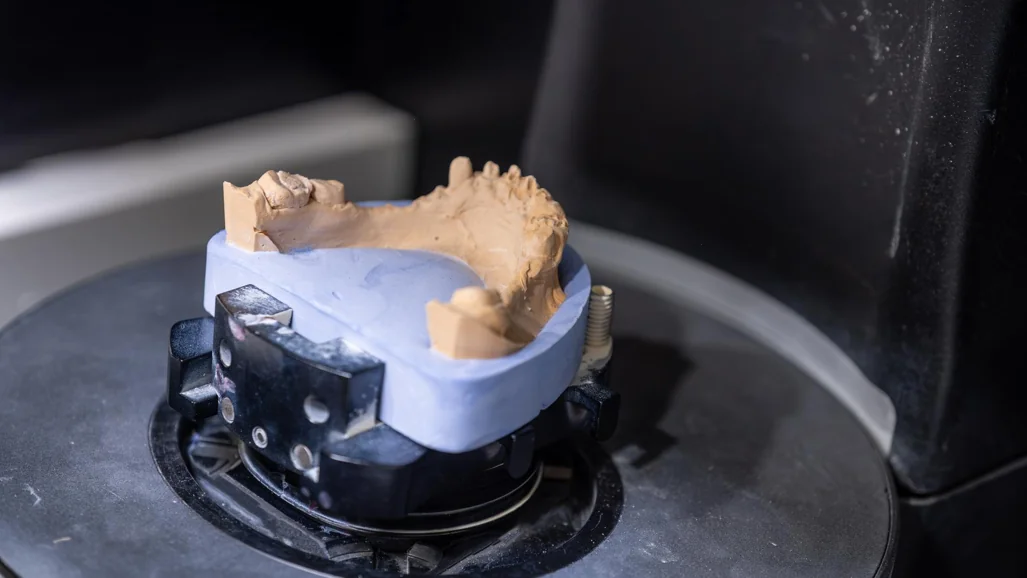
Fast-Track Smiles: USIM Uses 3D Printing to Revolutionize Community Dental Care
Universiti Sains Islam Malaysia (USIM) is bridging the gap between high-tech dentistry and community service. Through a recent outreach initiative, USIM’s Faculty of Dentistry successfully provided 3D-printed dentures to underserved communities, significantly cutting down the time patients usually wait for new teeth. By bringing digital technology directly to those in need, the project demonstrates that "fast-track" dental solutions are no longer reserved for high-end private clinics but can be a powerful tool for public health and social welfare.
The Data: Speeding Up the Restoration Process
The USIM initiative highlights how digital workflows outperform traditional methods in a community setting:
Drastic Time Savings: Traditional denture fabrication usually requires 4 to 5 clinical visits over several weeks; the 3D-printing "fast-track" method can reduce this to just 1 or 2 visits.
Targeted Outreach: The program specifically focused on the asnaf (underserved) group and elderly residents who face mobility or financial challenges.
Accuracy Boost: Digital impressions taken with intraoral scanners eliminate the errors often found in traditional "goopy" manual molds.
Scale of Impact: By utilizing portable digital equipment, the team can treat multiple patients in a single day during field missions, which was previously impossible with lab-heavy traditional methods.
The Underlying Mechanism: The Digital Denture Workflow
The "Fast-Track" system relies on a seamless three-step digital process:
Digital Scanning: Instead of using traditional trays and putty, dentists use an intraoral scanner to create a highly accurate 3D map of the patient’s mouth in minutes.
Computer-Aided Design (CAD): The 3D data is sent to software where the dentures are designed with mathematical precision, allowing for better fit and bite alignment.
3D Printing (Additive Manufacturing): The final design is printed using biocompatible resins. This process is not only faster but also allows for easy "re-printing" if a patient loses or breaks their denture, as the digital file is kept on record.
Clinical and Patient Implications
The success of USIM’s digital outreach has major implications for the future of dental missions:
Accessibility for Rural Populations: Portable scanners and 3D printers allow high-quality care to reach remote areas where dental labs are non-existent.
Improved Patient Comfort: The removal of traditional impression materials is a huge relief for patients with strong gag reflexes or those who find manual molding traumatic.
Cost-Effective Social Programs: While the initial equipment is an investment, the reduced labor and material waste make 3D printing a sustainable choice for long-term community health projects.
Educational Milestone: This initiative trains the next generation of dentists to use "Digital Outreach" skills, preparing them for a tech-driven professional landscape.
Original Article Details
Original Title: Fast-track smiles: USIM brings digital dentistry to community outreach with 3D-printed dentures
Source: Dental Tribune ASEAN
Publication Date: January 2026