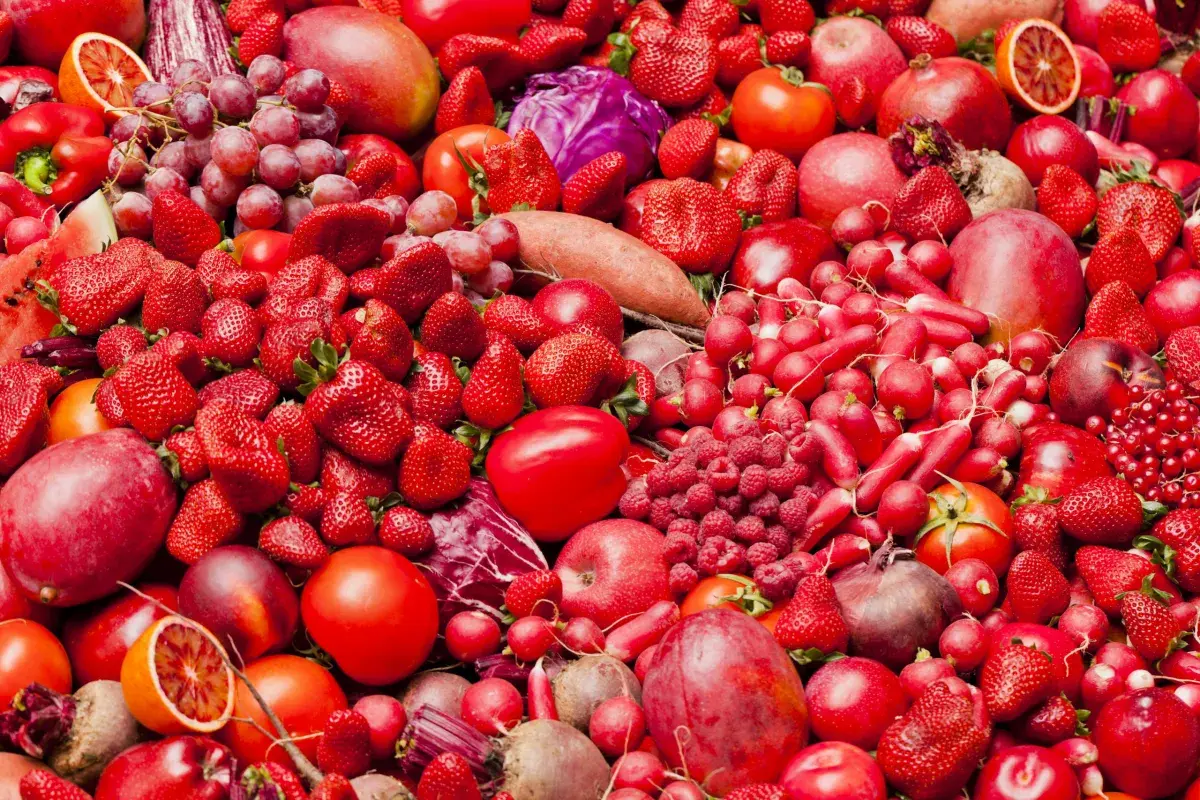
Eat Your Red Fruits: How Lycopene Lowers Gum Disease Risk
Could the secret to preventing severe gum disease be sitting in your fruit bowl? A compelling new study has established a strong link between the consumption of red-colored fruits and a significant reduction in the risk of severe periodontitis. The research focuses on lycopene, a powerful antioxidant found in high concentrations in tomatoes, watermelons, and pink grapefruits.
The findings suggest that a diet rich in these red-hued foods isn't just good for your heart; it is a vital defense mechanism for your gums, particularly as you age. Experts are now encouraging adults to look at their diet as a modifiable factor that could potentially save their teeth from the ravages of chronic inflammation.
The Data: The Impact of Lycopene on Oral Health
The study, which analyzed data from over 1,200 participants (ages 65 to 79), revealed some startling statistics regarding diet and dental health:
High Risk in Aging Populations: Nearly half (48.7%) of the older adults studied showed signs of periodontitis.
The Lycopene Gap: A staggering 77.9% of participants were not consuming enough dietary lycopene to reap its protective benefits.
Significant Risk Reduction: Those who maintained sufficient lycopene intake were one-third as likely to develop severe gum disease compared to those with a deficiency.
Demographic Disparities: The research noted that severe periodontitis was more prevalent among men and non-Hispanic Black adults, highlighting the need for targeted nutritional interventions in these groups.
The Underlying Mechanism: Why Red Fruits Protect Your Gums
The protective power of red fruits lies in their unique chemical composition and how it interacts with the oral environment:
Antioxidant Powerhouse: Lycopene is a potent carotenoid that neutralizes free radicals and reduces oxidative stress, which is a primary driver of tissue destruction in gum disease.
Anti-Inflammatory Effects: By suppressing inflammatory signals in the body, lycopene helps prevent the immune system from overreacting to dental plaque, thereby protecting the bone and ligaments supporting the teeth.
The "Morin" Connection: Complementing the lycopene research, 2025 studies have also identified Morin (found in apple and fig peels) as an effective antimicrobial agent against periodontal bacteria.
Natural Encapsulation: Emerging dental technology is even looking at ways to "encapsulate" these fruit-derived compounds into tablets or films for controlled-release treatment in the mouth.
Clinical and Patient Implications
Integrating "red nutrition" into dental care represents a simple yet effective strategy for long-term health:
Dietary Counseling in Dentistry: Dentists should consider screening patients for nutritional deficiencies, specifically encouraging the intake of cooked tomatoes (which increases lycopene absorption).
Targeted Prevention for Seniors: Since the risk is highest in adults over 65, nutritional education should be a cornerstone of geriatric dental care.
Whole-Food Therapy: Patients are encouraged to prioritize whole foods like watermelon and grapefruit over supplements to ensure they receive a broad spectrum of beneficial phytochemicals.
Focus on Modifiable Factors: While genetics and age play a role, diet is a factor patients can control to actively lower their risk of tooth loss and severe inflammation.
Original Article Details
Original Title: Low intake of red fruits linked to greater gum disease risk
Source: Dentistry.co.uk
Publication Date: January 10, 2026