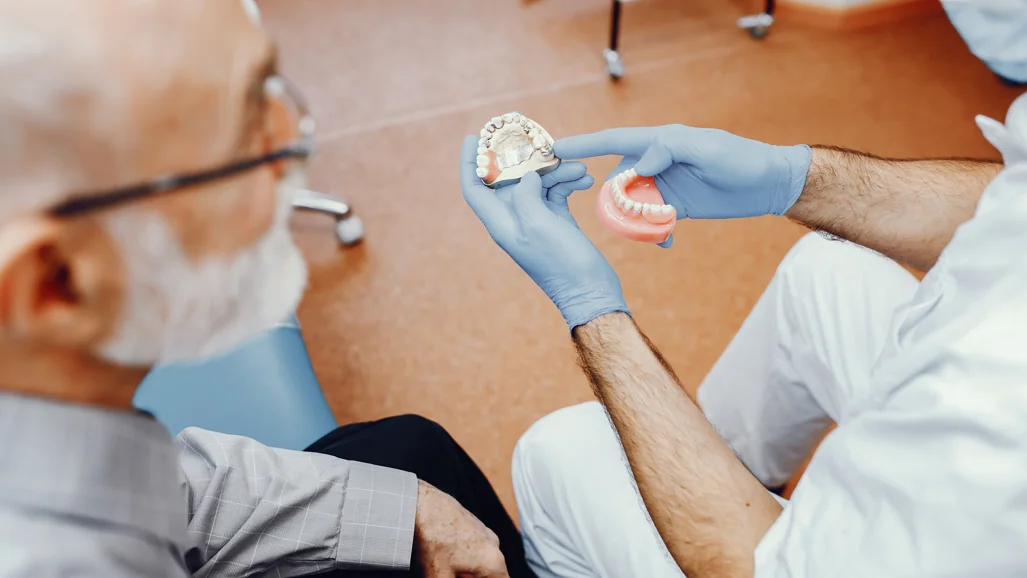
Aging Gracefully: The Global Priority of Geriatric Oral Health
As the world experiences a "longevity revolution," the focus on healthcare is shifting rapidly toward the needs of the elderly. A recent editorial in Dental Tribune ASEAN highlights that oral health care for older adults is no longer just a dental issue—it is a global imperative. Aging populations face unique challenges, from root caries and tooth loss to the complex interplay between oral infections and systemic diseases. To ensure seniors live with dignity, the dental profession must pivot toward a more holistic, person-centered approach that prioritizes prevention and functional comfort over aggressive intervention.
The Data: The Growing Scale of the Aging Crisis
The statistics surrounding global aging and oral health underscore the urgency of this movement:
Rapid Demographic Shift: The global population of people aged 60 and older is projected to rise from 901 million to 1.4 billion by 2030—a 56% increase in just 15 years.
Widespread Chronic Illness: Approximately 80% of older adults live with at least one chronic disease, and 68% manage multiple conditions, complicating their dental care.
High Disease Prevalence: Over 60% of seniors are affected by periodontal disease, often due to declining immunity and reduced manual dexterity for hygiene.
Regional Aging: In nations like Malaysia, the elderly population is expected to reach 15% by 2030, officially marking it as an "aging nation."
The Underlying Mechanism: How Aging Affects the Mouth and Body
The link between oral health and general well-being in the elderly is driven by several biological and physiological factors:
The Saliva Connection: Aging and polypharmacy (taking multiple medications) often lead to xerostomia (dry mouth). Without enough saliva to neutralize acids and lubricate the mouth, the risk of rapid root caries and denture failure skyrockets.
Systemic Health Risks: Poor oral hygiene in frail seniors is a significant risk factor for aspiration pneumonia and has been linked to increased risks of heart disease and Alzheimer’s.
Nutritional Decline: Tooth loss or ill-fitting dentures lead to difficulty chewing, which directly causes malnutrition and weight loss, further weakening the body's immune defenses.
The Fragility Factor: Cognitive decline and physical frailty make it difficult for seniors to perform daily hygiene or travel to dental clinics, creating a cycle of neglect.
Clinical and Patient Implications
The shift toward "Age-Friendly Dentistry" requires a change in clinical strategy:
Simplified Treatment Planning: Instead of complex, multi-stage reconstructions, clinicians are encouraged to focus on minimally invasive care—such as relining existing dentures or palliative care for symptomatic teeth.
Integrated Care Models: Oral health must be integrated into general geriatric care, requiring dentists to work closely with physicians to manage the risks of polypharmacy and medical complications.
Focus on Function: The primary goal for older patients is maintaining the ability to eat, speak, and socialize without pain, which significantly improves their overall quality of life.
Economic Accessibility: There is a growing call for policymakers to include oral health in Universal Health Coverage, making essential dental services affordable for seniors living on fixed incomes.
Original Article Details
Original Title: Oral health care among older people: A global imperative in the age of aging nations
Source: Dental Tribune ASEAN
Publication Date: January 12, 2026